Heating elements can be classified based on the energy source they use to generate heat. Here are the main classifications of heating elements according to their energy sources:
1. Electric Heating Elements:
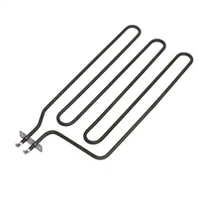
Resistance Wire Elements: These elements use the resistance of materials like Nichrome or Kanthal to generate heat when an electric current passes through them. They are common in appliances like toasters, ovens, and water heaters.
Calrod Elements: These are tubular elements filled with a heating wire. They are used in various applications, including stovetop burners and oven heating elements.
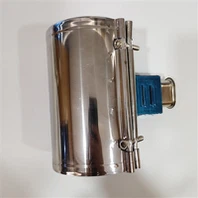
Cartridge Elements: These cylindrical elements consist of a resistance wire encased in a metal sheath. They are used for localized heating in applications like injection molding.
Mica and Ceramic Elements: These elements combine insulation material (mica or ceramic) with embedded resistance wire. They are used in space-constrained applications and high-temperature environments.
2. Gas Heating Elements:
Natural Gas or Propane Burners: These elements burn natural gas or propane to generate heat. They are used in industrial processes, space heaters, and ovens.
Gas Catalytic Heaters: These use a catalytic reaction to generate heat from natural gas. They are often used in space heating and drying applications.
Gas Infrared Heaters: These produce heat using gas combustion to create an infrared radiation source. They are used for industrial processes like curing paint.
3. Steam Heating Elements:
Steam Coils: These are tubes filled with steam that transfer heat to the surrounding air or process fluid.
Steam Jackets: Used to heat vessels by surrounding them with steam-filled jackets. Common in industrial settings.
4. Oil Heating Elements:
Oil-Filled Radiator Heaters: These heaters use an electric heating element to heat oil, which then radiates heat to the surroundings. They are often used for room heating.
5. Solar Heating Elements:
Solar Panels and Collectors: These capture solar energy and convert it into heat, often used for water heating or space heating.
6. Induction Heating Elements:
Induction Heaters: These use electromagnetic induction to heat metal objects, such as for metal forging or heat treating.
7. Microwave Heating Elements:
Microwave Generators: These create microwaves that directly heat water molecules in food and other materials.
8. Biomass Heating Elements:
Biomass Burners: These burn organic materials like wood pellets, agricultural residues, or waste to generate heat. They can be used for both residential and industrial heating.
9. Waste Heat Recovery:
Waste Heat Recovery Systems: These systems capture and repurpose waste heat generated from industrial processes, engines, or other sources.
Different heating elements are suitable for different applications based on factors like efficiency, temperature requirements, safety, and environmental considerations. The choice of energy source often depends on the specific needs of the heating application.