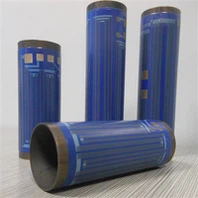
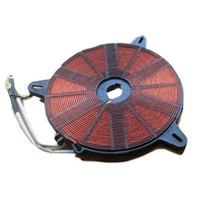
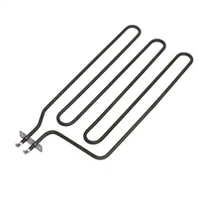
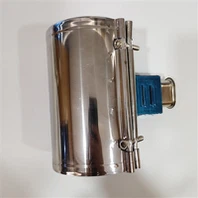
Yes, there are specific safety considerations associated with thick film heaters, especially in high-temperature applications. Thick film heaters are used in various industrial and commercial applications, such as in ovens, medical devices, automotive systems, and more. When operating at high temperatures, several safety precautions need to be taken into account to prevent accidents, ensure the longevity of the heater, and maintain the overall safety of the system. Here are some key safety considerations:
1. Temperature Control and Regulation: Proper temperature control is essential to prevent overheating. Using accurate temperature sensors and control systems is crucial to maintaining a stable temperature within safe limits.
2. Thermal Insulation: Thick film heaters should be properly insulated to prevent accidental burns. Insulating materials can help in directing the heat to the desired target and away from sensitive components or operators.
3. Electrical Safety: Thick film heaters require electrical connections. Ensuring that the electrical components are properly insulated and grounded is essential to prevent electrical shocks or short circuits.
4. Material Compatibility: The materials used in the thick film heater, such as the substrate and conductive inks, should be compatible with the high temperatures they will be exposed to. They should not degrade, off-gas, or release toxic fumes at elevated temperatures.
5. Encapsulation: Thick film heaters can be encapsulated to protect them from external environmental factors. Proper encapsulation methods ensure that the heater is shielded from moisture, chemicals, and physical damage.
6. Ventilation: Adequate ventilation around the heater is necessary, especially in enclosed spaces. Proper airflow helps dissipate heat and prevents the accumulation of high temperatures in confined areas.
7. Maintenance and Inspection: Regular maintenance and inspection of the thick film heaters are vital. This includes checking for signs of wear, damage, or deterioration. Any damaged heaters should be replaced promptly to avoid malfunctions or accidents.
8. Training: Proper training of personnel working with or around high-temperature thick film heaters is crucial. They should be aware of the potential hazards and trained to handle the equipment safely.
9. Compliance with Standards: Thick film heaters should meet relevant safety standards and certifications specific to the industry and application. Compliance ensures that the heaters have undergone rigorous testing for safety and performance.
10. Emergency Protocols: Establishing emergency protocols, such as shutdown procedures and evacuation plans, can minimize risks in case of a malfunction or failure of the thick film heater.
It's important to consult with experts or engineers experienced in the specific application and type of thick film heater being used to ensure that all necessary safety measures are in place.