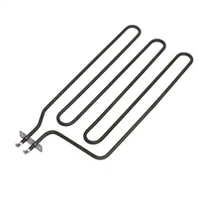
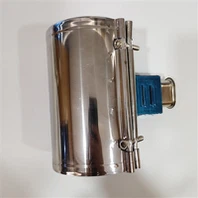
PTC (Positive Temperature Coefficient) heaters are generally considered to be energy-efficient for certain applications, especially when compared to traditional resistance heaters like nichrome wire heaters.
PTC heaters offer several advantages in terms of energy efficiency:
1. Self-Regulation: PTC heaters are designed with a ceramic element that exhibits a positive temperature coefficient. This means that as the temperature of the PTC material rises, its resistance increases. As a result, when the heater approaches its target temperature, its power consumption automatically decreases. This self-regulating feature is a key factor in their energy efficiency because it prevents overheating and reduces the risk of wasting energy.
2. Temperature Control: PTC heaters often require less complex temperature control systems compared to traditional heaters. This simplicity can lead to energy savings by reducing the need for additional components and the associated energy consumption.
3. Reduced Energy Waste: PTC heaters do not continuously draw maximum power once they reach their desired temperature. Traditional heaters often require cycling on and off to maintain the desired temperature, which can lead to energy waste. PTC heaters can maintain a more stable temperature without frequent cycling, saving energy in the process.
4. Fast Heating: PTC heaters can heat up rapidly, reaching their target temperature quickly. This fast response time is beneficial in applications where rapid heating is required. Since they reach the desired temperature quickly, they spend less time consuming energy, contributing to energy efficiency.
5. Even Heat Distribution: PTC heaters provide relatively uniform heating across their surface. This even heat distribution can reduce the need for overcompensation, where excess heat is generated to ensure that all areas reach the desired temperature. This can result in energy savings by eliminating the need for unnecessary heating.
6. Durability: PTC heaters are known for their durability and longevity. They are less prone to failure and typically have a longer operational lifespan compared to some other heating elements. This durability can reduce the frequency of replacements and maintenance, leading to energy and cost savings over the long term.
It's important to note that while PTC heaters are generally energy-efficient for many applications, their efficiency can vary depending on the specific design, application, and usage. Proper selection and sizing of the PTC heater for a given application are crucial to maximizing energy efficiency. Additionally, energy efficiency should be considered in the context of the entire heating system, including insulation, control mechanisms, and overall system design.