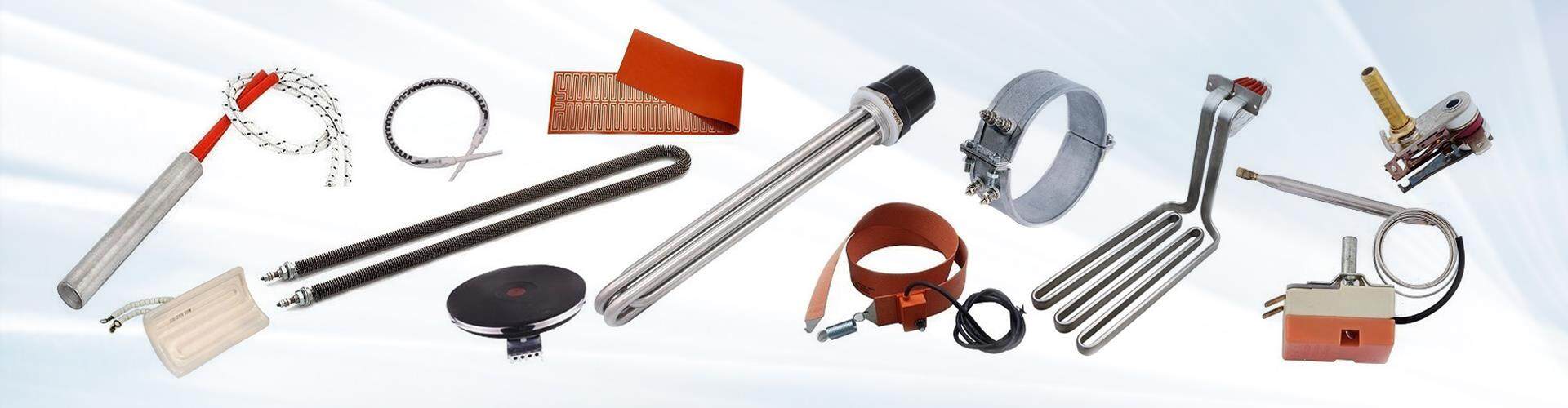
In the realm of versatile and efficient heating solutions, silicone rubber heaters stand as an innovation that combines adaptability with remarkable thermal performance. Whether for industrial applications or personal projects, these flexible and robust heaters offer an array of benefits. This guide will walk you through the steps of installing and effectively using silicone rubber heaters, unlocking their potential for reliable and precise heat distribution.
Understanding Silicone Rubber Heaters:
Silicone rubber heaters are thin, flexible devices designed to provide uniform and controlled heat across their surfaces. They consist of a silicone rubber layer, which acts as an insulating and heat-resistant material, and an integrated heating element. This design ensures efficient heat transfer, making them ideal for a wide range of applications, including industrial equipment, food processing, medical devices, and more.
Installation Steps:
1. Surface Preparation: Begin by ensuring the surface where you intend to install the silicone rubber heater is clean, dry, and free from any contaminants. A smooth surface will ensure optimal heat transfer and adhesion.
2. Placement Planning: Carefully decide where the heater should be placed for optimal heat distribution. Consider factors such as the shape of the object being heated and the areas that require higher or lower heat intensity.
3. Peel and Stick: Most silicone rubber heaters come with an adhesive backing. Peel off the protective backing and gently press the heater onto the prepared surface. Start from one edge and work your way to the other, smoothing out any air bubbles or wrinkles as you go.
4. Secure Edges: For added security, you can use a heat-resistant tape to secure the edges of the heater. This will prevent any lifting or peeling due to external forces or temperature changes.
Effective Usage:
1. Power Connection: Connect the leads of the silicone rubber heater to a power source that matches the voltage and wattage specifications provided by the manufacturer. Always adhere to safety guidelines and consider using a temperature controller to prevent overheating.
2. Temperature Regulation: Depending on your application, you might need to regulate the temperature of the silicone rubber heater. Temperature controllers offer precise control over the heat output, allowing you to maintain a consistent temperature for optimal performance.
3. Maintenance: Regularly inspect the silicone rubber heater for signs of wear, damage, or detachment. Keep the surface clean and free from debris to ensure proper heat conduction. If you notice any issues, address them promptly to avoid compromising the heater's performance.
Safety Precautions:
- Voltage Compatibility: Always use a power source that matches the voltage rating of the silicone rubber heater to prevent damage and ensure safety.
- Avoid Over-Bending: While silicone rubber heaters are flexible, excessive bending can damage the internal heating element. Handle and install them with care.
- Temperature Monitoring: If your application involves sensitive materials, consider using a temperature sensor to prevent overheating and potential damage.
In conclusion, silicone rubber heaters offer an exceptional solution for achieving controlled and efficient heat distribution in various applications. By following the installation steps and adhering to safety guidelines, you can harness the benefits of these versatile heating devices while ensuring their longevity and effectiveness. Whether you're enhancing industrial processes or customizing DIY projects, silicone rubber heaters stand as a reliable companion in your pursuit of warmth and precision.