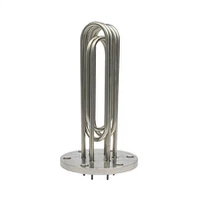
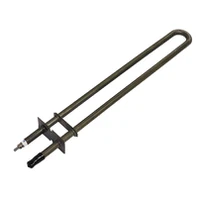
The water elements are widely used to heat liquids, air or metals as a reliable, economical, and versatile way, which can be used in a large variety of applications, including those with size restrictions for small spaces. They allow for even heat distribution as well as a high dielectric strength. Tubular heaters can be formed into a variety of patterns.

The lifespan of a water heating element can vary greatly depending on various factors such as the quality of the element, the frequency of use, and the quality of the water being heated. However, the average lifespan of a water heating element is typically around 6-8 years.
With proper care and maintenance, the lifespan of a water heating element can be extended beyond the average. Regularly flushing out the tank to remove any sediment buildup and maintaining the proper water temperature can help prolong the life of the element.
It is important to note that if the water heating element is showing signs of wear and tear such as rust or corrosion, it should be replaced immediately to prevent any potential hazards. Additionally, an old or malfunctioning element can lead to higher energy bills, so replacing it can also save money in the long run.
In conclusion, while the lifespan of a water heating element can vary, taking steps to maintain and care for it can help prolong its life and ensure reliable hot water for years to come.