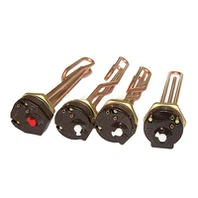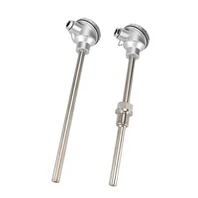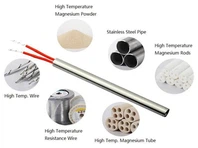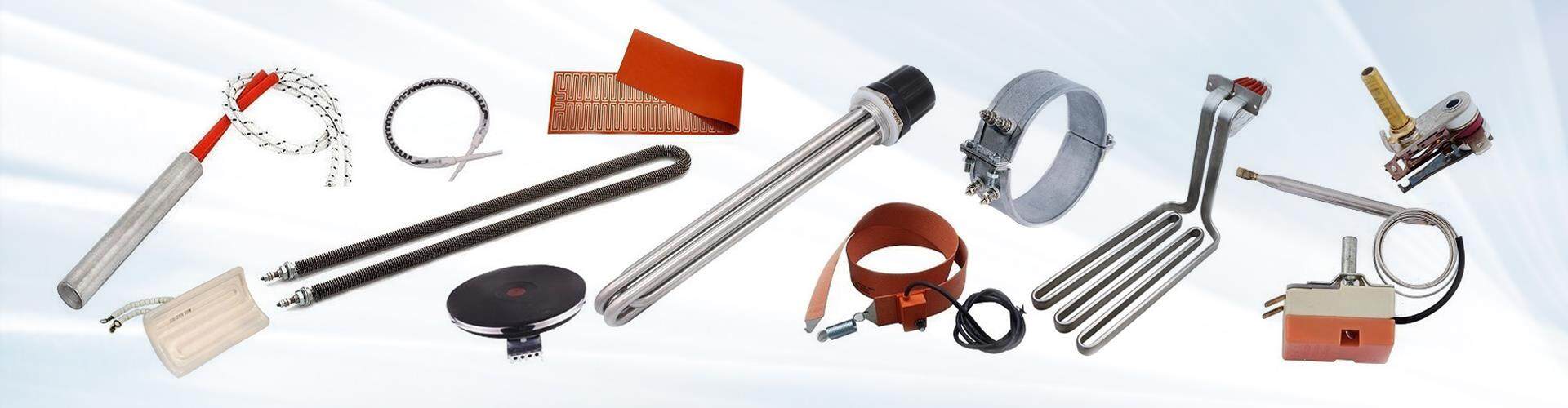
Finned heaters are widely used in industrial and commercial applications to provide efficient and effective heating. These heaters consist of a heating element surrounded by finned tubes, which enhance heat transfer and improve overall performance. To optimize their functionality, temperature control is crucial. Various temperature control options are available for finned heaters, each catering to specific needs and applications.
1. Thermostats:
Thermostats are one of the most common and straightforward temperature control devices for finned heaters. They regulate the temperature by sensing the ambient temperature and turning the heater on or off accordingly. Thermostats are cost-effective and easy to install, making them a popular choice for applications where precise temperature control is not critical.
2. Temperature Controllers:
For more precise temperature regulation, temperature controllers are employed. These devices continuously monitor the temperature and adjust the heating output to maintain a specific setpoint. They offer greater accuracy than thermostats and are suitable for applications where maintaining a constant temperature is crucial.
3. PID Controllers:
Proportional-Integral-Derivative (PID) controllers are advanced temperature control systems that use a combination of proportional, integral, and derivative control actions to maintain a stable temperature. PID controllers are highly effective in dynamic environments where rapid and precise adjustments are required to prevent temperature fluctuations.
4. Variable Voltage Controllers:
Variable voltage controllers adjust the electrical power supplied to the finned heater, thereby controlling the heat output. By varying the voltage, users can achieve a wide range of heating levels. This method is particularly useful when a gradual temperature change is required, and it offers flexibility in adapting to different heating requirements.
5. Solid-State Relays (SSRs):
Solid-state relays provide a way to control the power supplied to the finned heater electronically. SSRs switch power without any mechanical parts, offering faster response times and greater reliability compared to traditional electromechanical relays. They are suitable for applications where frequent cycling or precise control is necessary.
6. Programmable Logic Controllers (PLCs):
PLCs are employed in more complex heating systems where multiple parameters need to be monitored and controlled simultaneously. They allow for the creation of custom heating profiles, making them ideal for applications with specific heating requirements or processes that involve multiple stages.
7. Remote Monitoring and Control:
In modern industrial settings, remote monitoring and control systems enable users to manage finned heaters from a distance. This is particularly valuable for applications in large facilities or installations where real-time adjustments and monitoring are essential for efficiency and safety.
Click Here Know More about Finned Heaters
Selecting the appropriate temperature control option for finned heaters depends on the specific requirements of the application. Whether it's a simple thermostat for basic temperature regulation or a sophisticated PLC for complex processes, the choice should align with the desired level of control, precision, and automation. Understanding the available options empowers users to optimize the performance of finned heaters in diverse heating applications.