Introduction
Temperature control is one of the key factors affecting the quality and reliability of 3D printing. During the printing process, maintaining a stable build platform temperature helps improve material adhesion, reduce warping, and achieve better dimensional accuracy of printed parts.
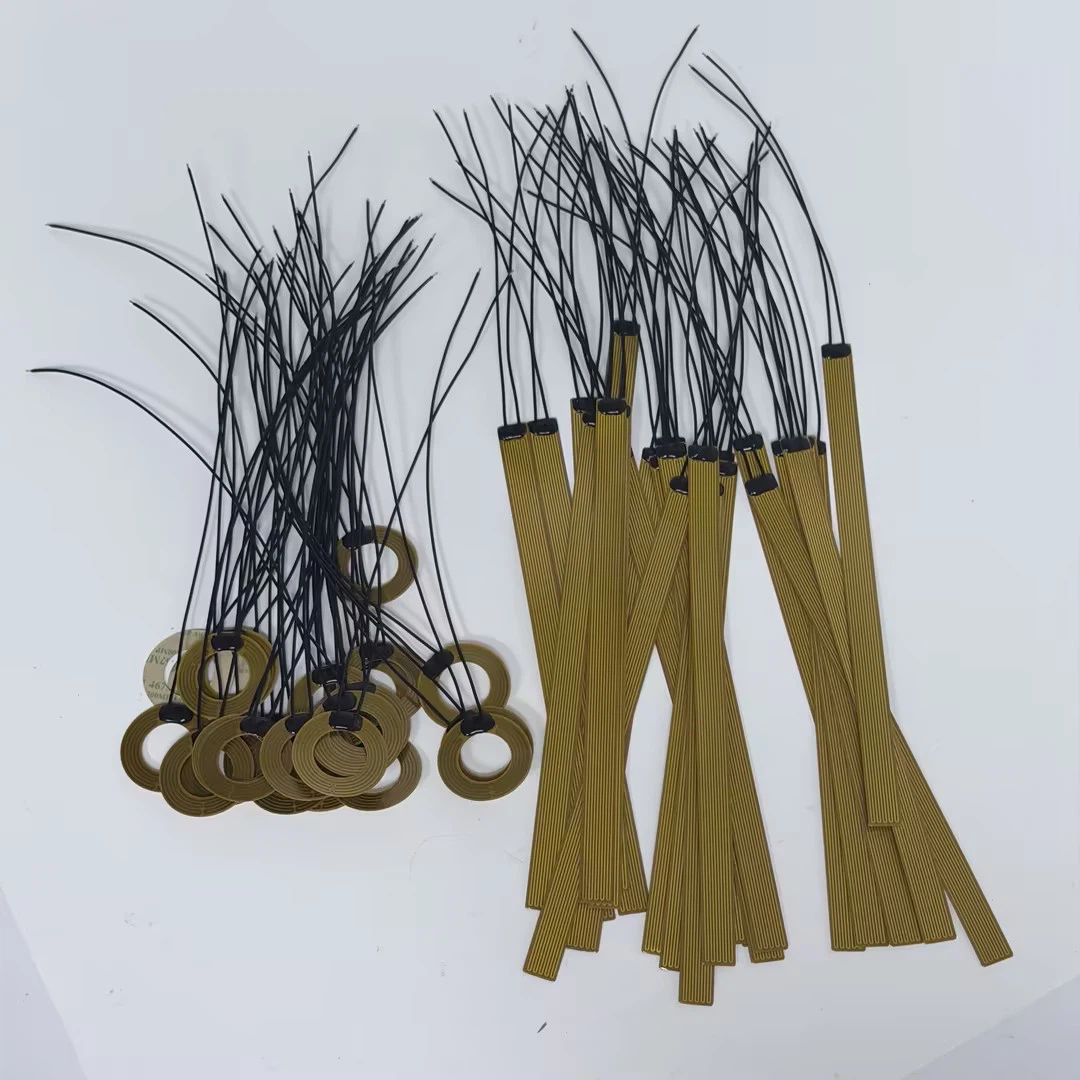
Polyimide heaters, also known as PI film heaters or Kapton heaters, are widely used in 3D printers as flexible heating solutions for print beds. Their thin structure, fast thermal response, and ability to conform to flat or customized surfaces make them suitable for heated build platforms.
By providing uniform heat distribution across the print bed, polyimide heaters help create more stable printing conditions for materials that require controlled platform temperatures, such as engineering plastics and composite filaments.
Why Print Bed Temperature Control Matters in 3D Printing
In additive manufacturing, the first layers of a printed object must adhere properly to the build platform. Temperature changes during printing can cause uneven cooling, material shrinkage, and internal stress, which may lead to warping or print failure.
A heated print bed helps maintain a more consistent temperature between the printed material and the surrounding environment. This allows the material to cool at a controlled rate and improves the stability of the printing process.
A suitable heating solution for 3D printers should provide:
- Uniform temperature distribution
- Fast heat-up performance
- Low profile installation
- Reliable operation during long printing cycles
- Efficient energy use
- Easy integration with printer structures
Polyimide heaters are a practical option because they combine flexibility with precise heat output in a lightweight design.
Polyimide Heater Solutions for 3D Printing Platforms
A polyimide heater consists of a flexible polyimide film insulation layer with an etched resistance heating circuit inside. When electrical power is applied, the circuit generates heat and transfers it evenly across the heater surface.
In 3D printers, PI heaters are commonly installed underneath aluminum build plates or directly attached to heating platforms. The flexible design allows the heater to cover different platform shapes while maintaining a compact structure.
Jaye Heater provides customized PI film heaters for:
- Desktop 3D printers
- Industrial 3D printing equipment
- Large-format additive manufacturing systems
- Customized heated platforms
Heater designs can be optimized according to platform size, required temperature range, power supply, and mounting method.
Benefits of Polyimide Heaters for 3D Printers
Uniform Heat Distribution
A stable print bed temperature is essential for consistent printing results. Customized PI heater circuits can be designed to provide more even heat coverage across the platform surface.
Thin and Lightweight Structure
3D printer designs often require compact heating components. Polyimide heaters add minimal thickness while providing effective heating performance.
Fast Thermal Response
The thin-film construction reduces thermal mass, allowing the heater to respond quickly during temperature adjustment and printing cycles.
Flexible Installation
PI film heaters can be produced in different shapes and sizes, making them suitable for various print bed designs and installation spaces.
Reliable Long-Term Operation
3D printing may involve extended operating periods. A properly designed polyimide heater can provide stable heating performance during continuous printing processes.
Typical Applications
Polyimide heaters are used in various 3D printing and additive manufacturing systems, including:
- FDM and FFF 3D printers
- Industrial polymer 3D printers
- Heated build platforms
- Large-format printing systems
- Customized additive manufacturing equipment
For materials that require controlled bed temperatures, a stable heating solution helps improve layer adhesion and reduce deformation during printing.

Request a Custom Polyimide Heater Solution
Jaye Heater develops customized PI film heaters for 3D printing equipment and advanced manufacturing applications.
Provide your printer specifications or heating requirements, and our engineering team will help design a suitable flexible heating solution