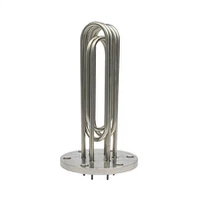
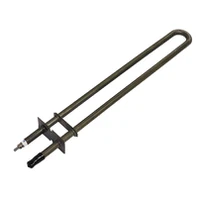
1. Selecting the Right Coil Heating Element
Choose based on application:
For cooking equipment (e.g., fryers, grills, stoves), select coil elements with high wattage (up to 5000W or more) for faster heating and better performance.
For appliances like toasters or coffee makers, use lower wattage (around 500W to 1500W).
Consider voltage and power requirements: Ensure that the coil heating element matches the voltage rating of the appliance (e.g., 110V, 220V, or higher).
2. Installation Process
Mounting:
Coil elements are typically screw-mounted, clamp-mounted, or socket-mounted. Select the appropriate mounting method depending on your equipment design.
Ensure the coil is securely fixed to prevent vibration or movement during operation.
Electrical Connections:
Follow the wiring diagram of the appliance to correctly wire the coil element to the power supply.
Safety Tip: Always disconnect the appliance from the power source before installing or repairing the coil.
Positioning:
Position the coil element so that the heat is evenly distributed over the cooking surface or within the appliance. For example, in a grill, the coil should be placed above the cooking surface, whereas in a fryer, it should be submerged or positioned around the heating chamber.
3. Operation and Usage
Temperature Control:
Many appliances with coil heating elements are equipped with thermostats or temperature sensors to maintain the desired cooking temperature. Set the appropriate temperature based on the food being cooked.
For ovens and grills, ensure the thermostat is calibrated and functioning properly for accurate temperature control.
Preheating:
Allow sufficient time for the coil heating element to heat up before placing food on the appliance. Most stoves and griddles take 5-10 minutes to reach cooking temperature.
Continuous Monitoring:
While in use, regularly check the equipment for signs of overheating or malfunction. Many modern appliances come with overheat protection to prevent damage, but manual monitoring helps ensure safe and effective operation.

4. Maintenance and Care
Cleaning:
Turn off and disconnect power before cleaning.
Use a damp cloth or mild detergent to clean the coil surface. Avoid abrasive materials that could damage the coating or insulation of the coil.
For grease build-up in fryers, periodically clean the heating element to prevent overheating and inefficiency.
Inspection:
Regularly inspect the coil heating element for signs of wear, corrosion, or cracks. A damaged coil can lead to inefficient heating or even electrical hazards.
Check the insulation around the coil to ensure it's intact and not damaged, which could lead to safety issues.
Replacement:
If a coil element is malfunctioning (e.g., not heating up), replace it with a compatible one. Ensure proper alignment and mounting during installation to avoid operational issues.
5. Safety Considerations
Proper Ventilation: Ensure that equipment with coil heating elements, such as ovens, fryers, or griddles, is used in a well-ventilated space to prevent the buildup of heat or fumes.
Avoid Overloading: Never overload the appliance with more food than it can handle, as this can cause the coil element to overheat and affect its lifespan.
Ensure Proper Grounding: Ensure that the appliance is properly grounded to prevent electrical hazards. Coil heating elements require safe and secure electrical connections.
6. Troubleshooting Common Issues
Element Not Heating:
Check if the power supply is working.
Inspect the wiring connections and ensure that the thermostat is functioning properly.
Test the resistance of the coil to ensure it hasn't burned out.
Uneven Heating:
Verify that the coil is properly mounted and is in direct contact with the heating chamber or cooking surface.
Clean the coil to remove any debris or residue that might affect heat distribution.
Excessive Heat:
Ensure the temperature settings are correct.
If the coil is overheating, check for a faulty thermostat or incorrect voltage.
7. Common Applications in Commercial and Kitchen Equipment
Stoves and Cooktops: Coil heating elements provide fast, direct heat for cooking.
Fryers: Used to heat oil to the required frying temperature.
Grills and Toasting Machines: Coil elements heat the surface for grilling or toasting.
Ovens: Provide heat for baking or roasting by circulating warm air.
Water Heaters: Coil heating elements can be submerged in water to heat it efficiently.
Coffee Machines and Toasters: Compact coil heating elements are used to generate heat quickly in small appliances.