Finned heaters are essential components in various heating applications, offering efficient heat transfer and distribution. To maximize their effectiveness, it's crucial to have precise control over their temperature output. In this article, we will explore various methods for controlling the temperature of finned heaters, ranging from built-in thermostats to advanced feedback control systems.
1. Built-In Thermostats:
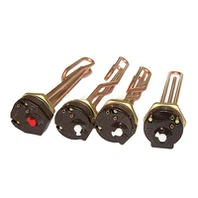
The majority of finned heaters come equipped with built-in thermostats. These devices allow users to set a desired temperature, and the thermostat automatically regulates the heat output to maintain the specified level. This simple and convenient method is suitable for applications where basic temperature control is sufficient.
2. Temperature Controllers:
For more precise temperature control, external temperature controllers can be employed. These devices enable users to set specific temperature levels and often utilize PID control algorithms for enhanced accuracy. Temperature controllers are ideal for applications where maintaining a stable and precise temperature is critical.
3. Variable Voltage Control:
Some finned heaters can be controlled by varying the voltage supplied to them. By adjusting the voltage, users can regulate the heat output. While this method may lack the precision of thermostats or controllers, it can be a cost-effective solution for certain applications.
4. Time-Based Control:
Timers are another option for controlling finned heaters. By setting specific time intervals, users can schedule when the heater operates. This method is particularly useful for applications where heating is only required during specific periods, promoting energy efficiency.
5. Remote Control Systems:
In modern applications, finned heaters can be integrated into remote control systems. This allows users to adjust temperature settings from a distance, offering convenience in situations where heaters are located in hard-to-reach areas or industrial environments.
6. Thermal Switches:
Safety is paramount in heating applications. Thermal switches or limit switches act as safety devices, interrupting the power supply to the heater if the temperature surpasses a predetermined limit. This prevents overheating and safeguards the equipment and surroundings.
7. External Sensors:
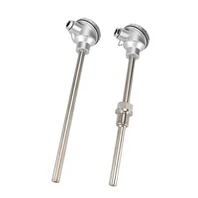
For applications requiring precise temperature monitoring, external sensors can be strategically placed in the target area. These sensors provide real-time feedback to the heater control system, allowing for dynamic adjustments to maintain the desired temperature.
8. Feedback Control Systems:
In advanced setups, feedback control systems use information from external sensors to dynamically adjust the temperature output of finned heaters. This level of control is common in industrial processes where maintaining a specific temperature profile is crucial.
Selecting the appropriate method for controlling the temperature output of finned heaters depends on the specific requirements of the application. Whether utilizing built-in thermostats for simplicity or implementing advanced feedback control systems for precision, it's essential to follow manufacturer guidelines and prioritize safety considerations. By understanding and implementing these control methods effectively, users can optimize the performance of finned heaters across a range of heating applications.