If you're working with PVC welding, selecting the right hot air gun is crucial for achieving strong, seamless bonds. Whether you're welding PVC pipes, sheets, or membranes, the wrong tool can lead to weak joints, overheating, or uneven seams. Here's a detailed guide to help you pick the best hot air gun for PVC welding.
Key Factors to Consider When Choosing a Hot Air Gun for PVC Welding
1. Temperature Control & Range
Optimal PVC Welding Temperature: Typically between 250°C – 400°C (482°F – 752°F).
Adjustable Thermostat: Look for a variable temperature control to avoid overheating or underheating.
Digital vs. Analog Controls:
Digital: More precise (±5°C accuracy).
Analog: Simpler but less accurate.
2. Airflow & Nozzle Design
Airflow (CFM/LPM): Higher airflow ensures even heat distribution.
PVC Sheet Welding: Requires consistent, wide airflow (e.g., 250–500 L/min).
Pipe Welding: Needs focused heat (use a tapered nozzle).
Nozzle Types:
Flat Nozzle: Best for large PVC sheets.
Round Nozzle: Good for pipe welding.
Reflector Nozzle: Reduces heat loss for efficient welding.
3.Power & Heating Element
Wattage (W): Determines heating speed and stability.
Low Power (1000W–1500W): Suitable for thin PVC.
High Power (2000W+): Best for thick PVC or industrial use.
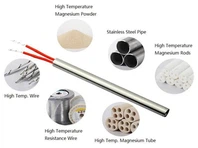
Heating Element:
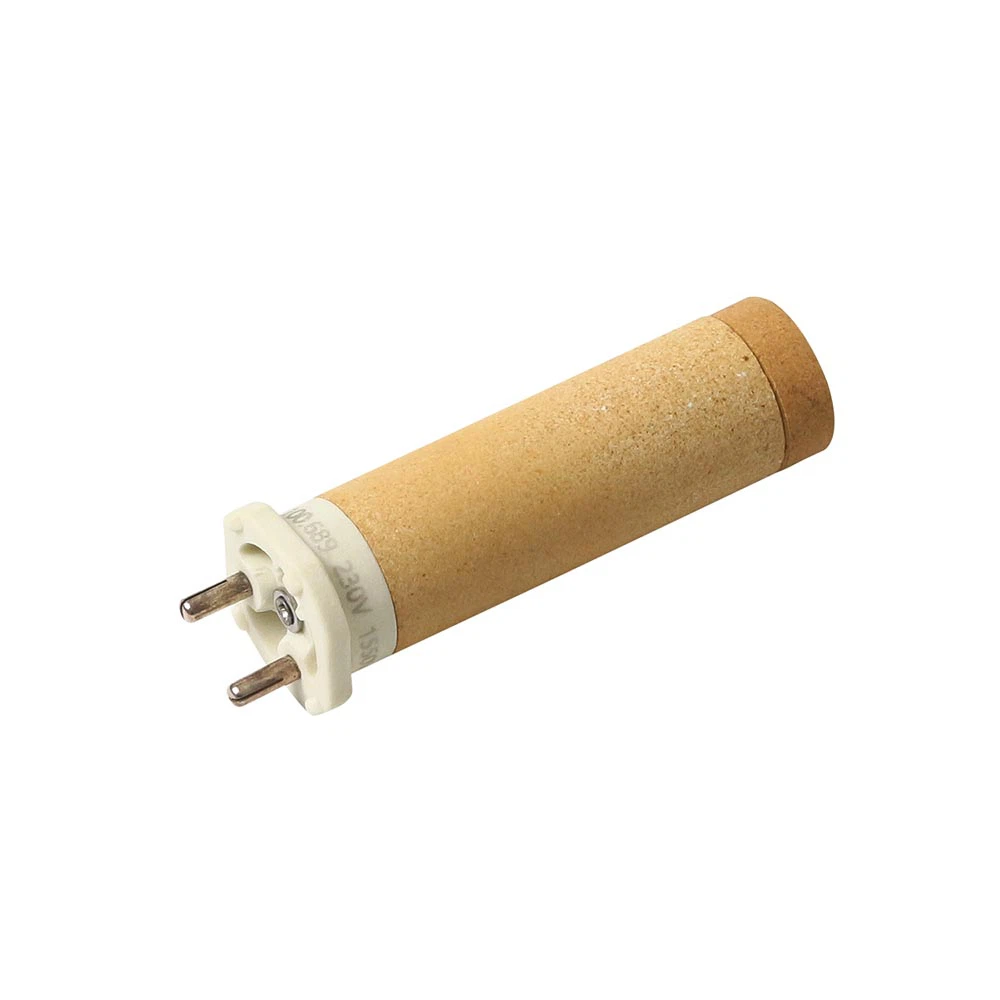
Ceramic Heating Element: More durable, even heat.
Metal Coil: Cheaper but less consistent.
PVC Welding Tips with a Hot Air Gun
✔ Preheat the PVC before welding for better adhesion.
✔ Use a welding rod (same material as PVC) for strong joints.
✔ Maintain consistent speed-too slow burns, too fast weakens the bond.
✔ Test on scrap PVC before working on the final piece.