
1. Temperature Control Challenges in Waste Treatment Applications
How Silicone Rubber Heaters Improve Temperature Stability in Waste Treatment Equipment
Challenges
Waste treatment and waste management industries involve various processes where materials need to be stored, transported, separated, or processed under controlled conditions. Modern waste treatment equipment is widely used for municipal waste, industrial waste, sludge processing, recycling, and environmental protection applications.
Silicone Rubber Heater provides a flexible heating solution for applications requiring uniform surface heating, compact installation, and customized dimensions.
2. Silicone Rubber Heater Material and Structure Advantages
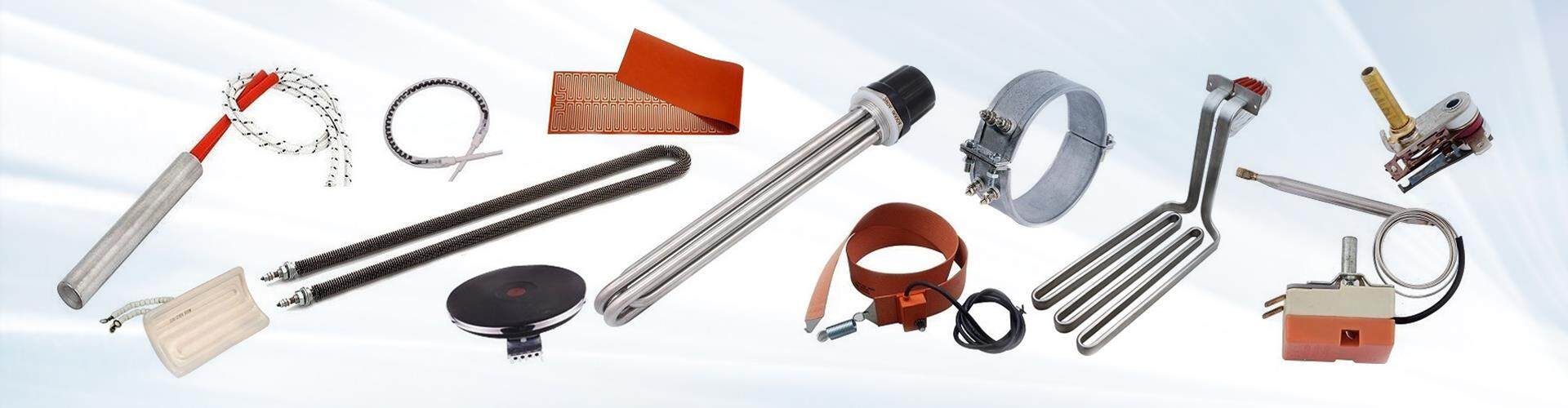
A Silicone Rubber Heater consists of a flexible silicone rubber insulation layer with an embedded resistance heating element. The silicone rubber material provides flexibility, electrical insulation, and resistance to moisture and environmental conditions.
Compared with rigid heating components, silicone rubber heaters can adapt better to curved or irregular equipment surfaces.
Flexible Structure for Different Equipment Designs
Waste treatment equipment often includes tanks, pipes, containers, and processing units with different shapes.
The flexible structure of Silicone Rubber Heater allows manufacturers to produce heating components according to specific equipment dimensions.
This makes it suitable for applications where:
- Installation space is limited
- Surface heating is required
- Equipment shape is customized
Uniform Surface Heating
Silicone rubber heaters provide distributed heating across the surface area. This helps maintain more consistent temperatures compared with localized heating methods.
For waste treatment applications, stable heating can help reduce problems caused by temperature variations, such as material thickening or reduced mobility.
Moisture and Environmental Resistance
Waste treatment environments may involve humidity, outdoor exposure, and contact with industrial conditions.
Silicone rubber materials provide good moisture resistance and electrical insulation properties, making silicone rubber heaters suitable for many industrial environments.
3. Customized Silicone Rubber Heater Manufacturing
Different waste treatment equipment requires different heating specifications. Therefore, customized manufacturing is important for equipment manufacturers.
JAYE Heater Technology Co., Ltd. manufactures customized Silicone Rubber Heater according to customer specifications.
Customers can provide:
- Dimension
- Voltage
- Power
- Temperature requirement
- Material requirement
- Drawing
Based on customer requirements, silicone rubber heaters can be manufactured with different shapes, sizes, heating outputs, wire configurations, and attachment methods.
We manufacture according to customer specifications.
Our focus is OEM heating element manufacturing. We produce heating components based on customer-provided drawings and technical requirements rather than providing complete waste treatment system design.
For companies looking for a Silicone Rubber Heater manufacturer or Silicone Rubber Heater supplier, manufacturing capability and customization flexibility are important factors when selecting a heating component partner.
4. Silicone Rubber Heater Applications in Waste Treatment Equipment
Waste Oil and Sludge Processing Equipment
Waste oil and sludge may become more viscous under low temperatures, affecting pumping and transportation processes.
Flexible heaters attached to tanks or containers can help maintain suitable temperatures for easier material handling.
Waste Storage Containers
Outdoor waste storage equipment may experience temperature changes caused by seasonal weather conditions.
Silicone Rubber Heater can provide localized heating for specific areas where temperature maintenance is required.
Chemical Waste Treatment Equipment
Some chemical waste processes require temperature control during storage or treatment.
Material selection is important because heating components may operate in environments containing moisture or chemical substances.

5. Industry Development Trends: Automation and Environmental Equipment
The waste treatment industry is developing toward higher automation, improved efficiency, and more precise process control.
Several industries are increasing demand for customized heating components:
Industrial Automation
Automated waste processing equipment requires reliable components that can operate continuously with limited maintenance.
Chemical Processing
Chemical waste treatment requires heating components with suitable material compatibility and stable temperature performance.
New Energy Industry
The growth of new energy manufacturing also increases demand for waste management and recycling equipment, including battery-related waste treatment processes.
Laboratory and Environmental Testing Equipment
Environmental laboratories require compact heating components for testing, analysis, and sample preparation applications.
These trends create increasing demand for customized Silicone Rubber Heater solutions designed for specific industrial equipment.
6. Selecting a Silicone Rubber Heater for Waste Treatment Equipment
When selecting a silicone rubber heater, equipment manufacturers should consider:
- Heating area dimensions
- Operating voltage
- Required power output
- Working temperature range
- Installation surface shape
- Environmental conditions
Providing accurate specifications helps manufacturers produce suitable heating components for the intended application.
Relevant Product Link
- Silicone Rubber Heater For Dough Fermentation Box
- Silicone Rubber Heater For SPA And Sauna Equipment
- Silicone Heater For Blood Warmer
- Custom Etched Foil Silicone Rubber Heating Pad
- Flexible Silicone Rubber Heating Plate Heater

One-stop Silicone Rubber Heater Factory in China
Send your inquiry about cosmetic tubes to us and experience the transformative power it can have on your business.s for growth and success in the beauty indsty.


