
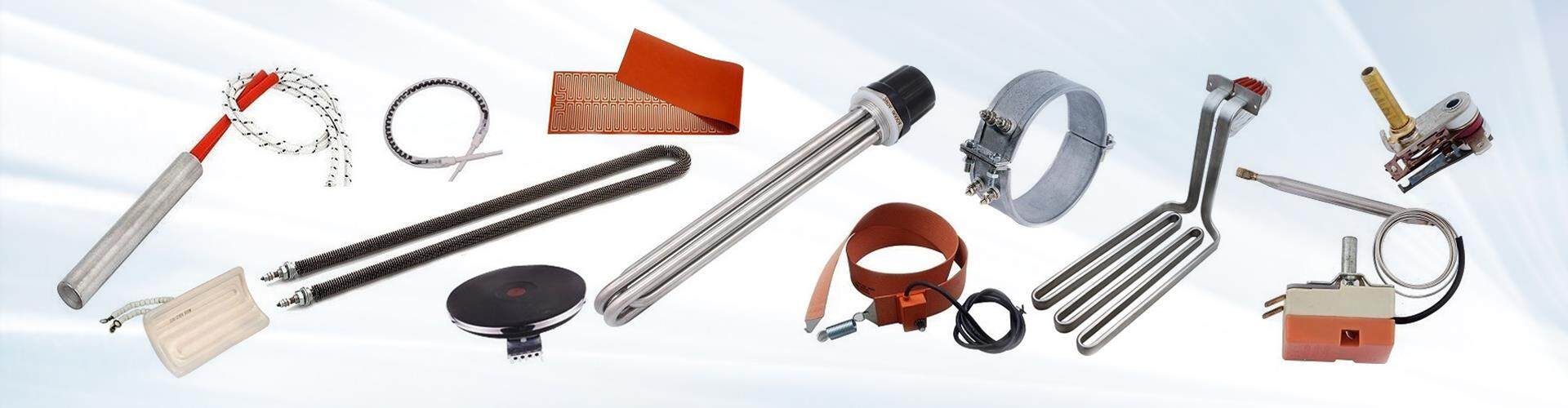
PTC tubular heaters are widely used in air conditioners, refrigerators, dehumidifiers, and other refrigeration equipment to help evaporate condensate water. In these applications, condensate forms when warm, humid air comes into contact with a cold surface. The collected water flows into a condensate evaporation tray, where a heater can accelerate evaporation and help prevent water accumulation.
A PTC tubular heater is a self-regulating heating element that uses a Positive Temperature Coefficient (PTC) heating material. Its electrical resistance increases as its temperature rises, helping it regulate its heating output. When properly designed and installed, it provides an efficient solution for condensate evaporation.

How Does a PTC Tubular Heater Work in a Condensate Evaporation Tray?
The working process of a PTC tubular heater in a condensate evaporation tray involves four main steps.
Step 1: Electrical Energy Generates Heat
When the heater is connected to a suitable power supply, electrical energy is converted into heat through its PTC heating element. The heat transfers through the heater's tubular structure to the surrounding water and tray.
Step 2: Heat Transfers to the Condensate Water
The heater warms the collected condensate water and, depending on its installation, the tray surface. As the water temperature increases, evaporation becomes faster.
Step 3: Condensate Evaporates
The heated water gradually changes into water vapor and disperses into the surrounding air. This reduces the amount of liquid water remaining in the tray and helps prevent overflow.
Step 4: PTC Self-Regulation Helps Control Temperature
As the PTC material heats up, its electrical resistance increases, reducing current and heating output under suitable operating conditions. This self-regulating characteristic helps limit excessive temperature rise.
However, PTC self-regulation does not replace proper temperature controls, electrical protection, or safeguards against dry running and overheating.

Key Benefits of PTC Tubular Heaters for Condensate Evaporation
- Self-regulating heating: The PTC material adjusts its electrical resistance in response to temperature changes.
- Compact structure: Tubular designs can fit into condensate trays with limited installation space.
- Reduced water accumulation: Heating accelerates evaporation and helps reduce the risk of water overflow.
- Potential energy savings: Heating output may decrease as the PTC element warms up, depending on its design and operating conditions.
- Flexible customization: Tube dimensions, rated voltage, heating power, terminal design, and mounting arrangements can be selected according to equipment requirements.
Actual performance depends on the heater design, water volume, ambient temperature, humidity, airflow, and available electrical power.
Typical Specifications of PTC Tubular Heaters
|
Parameter |
Description |
|---|---|
|
Heater type |
PTC tubular heater |
|
Application |
Condensate water evaporation tray |
|
Rated voltage |
Customized |
|
Heating power |
Determined by water volume and required evaporation rate |
|
Tube material |
Customized |
|
Tube dimensions |
Customized |
|
Temperature characteristics |
Customized |
|
Installation |
Designed according to tray geometry and electrical safety requirements |

Applications of PTC Tubular Heaters
PTC tubular heaters can be considered for condensate management in various types of equipment, including:
- Air conditioning systems: To help evaporate condensate collected during cooling and dehumidification.
- Refrigeration equipment: To assist with condensate management in suitable refrigeration assemblies.
- Dehumidifiers: To reduce water accumulation in condensate collection trays where heated evaporation is part of the design.
- Commercial cooling equipment: To support condensate evaporation in display cabinets and other refrigeration installations.
The suitability of a PTC tubular heater depends on the equipment's design. Not every condensate tray requires an electric heater, and some systems use alternative evaporation methods.
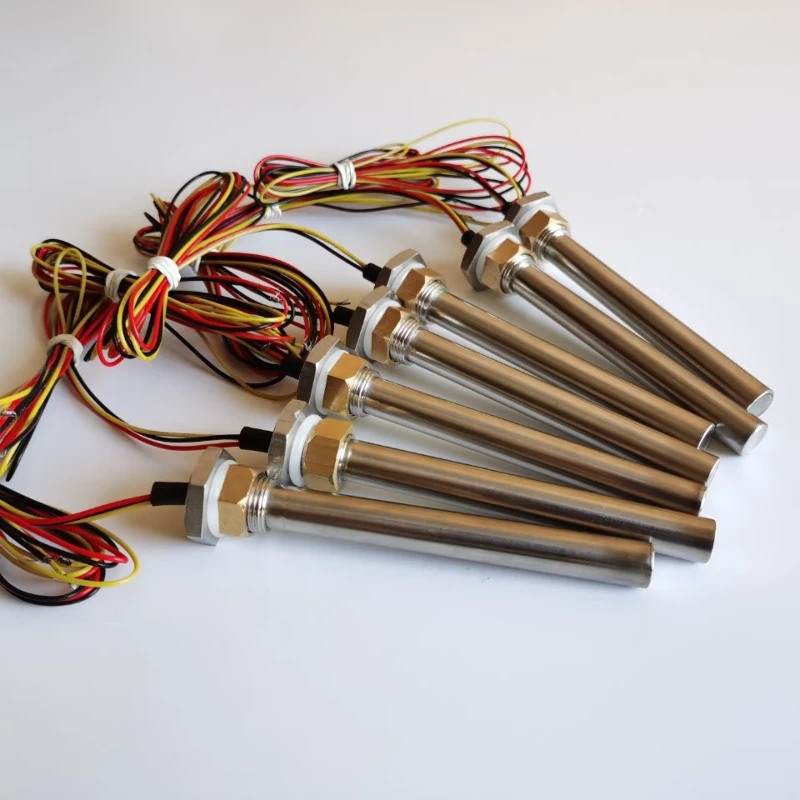
How to Choose the Right PTC Tubular Heater
Before selecting a PTC tubular heater for a condensate evaporation tray, consider the following factors:
- Condensate volume: Estimate how much water collects during normal and peak operation.
- Required evaporation rate: Determine how quickly the water must evaporate to prevent accumulation.
- Supply voltage and power: Match the heater to the equipment's electrical specifications.
- Installation space: Confirm the available tray dimensions and heater mounting position.
- Material compatibility: Choose suitable tube and sealing materials for continuous exposure to moisture and any contaminants.
- Electrical safety: Provide appropriate insulation, grounding where required, overcurrent protection, and safeguards against leakage current.
- Temperature protection: Assess whether independent thermal cutoffs or additional controls are needed, particularly when the tray can run dry.
For equipment that may operate with little or no water in the tray, dry-running behavior is especially important. The heater must be designed and tested for the actual operating conditions.
FAQs
Q1: What is the main function of a PTC tubular heater in a condensate evaporation tray?
Its main function is to generate heat that accelerates condensate water evaporation, helping reduce water accumulation and the risk of overflow.
Q2: Can a PTC tubular heater prevent overheating?
PTC technology provides a self-regulating effect because resistance rises with temperature. However, it cannot guarantee protection against every overheating condition. Appropriate thermal safeguards and application-specific testing are still necessary.
Q3: How do I determine the required heating power?
The required power depends on the amount of condensate generated, the desired evaporation time, ambient conditions, airflow, and heat losses. A practical design should estimate the heat demand and verify the evaporation rate through testing under representative operating conditions.


