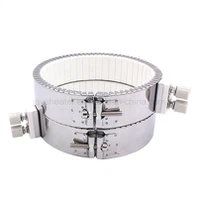
Hot plates are versatile heating devices used in laboratories, industrial settings, and even some specialized cooking applications. A common question we encounter is: How hot does a hot plate actually get?The answer isn't a single temperature but depends on the type of hot plate, its design, and its intended use. Understanding these factors is key to selecting the right hot plate for your specific thermal requirements, ensuring both safety and efficiency.
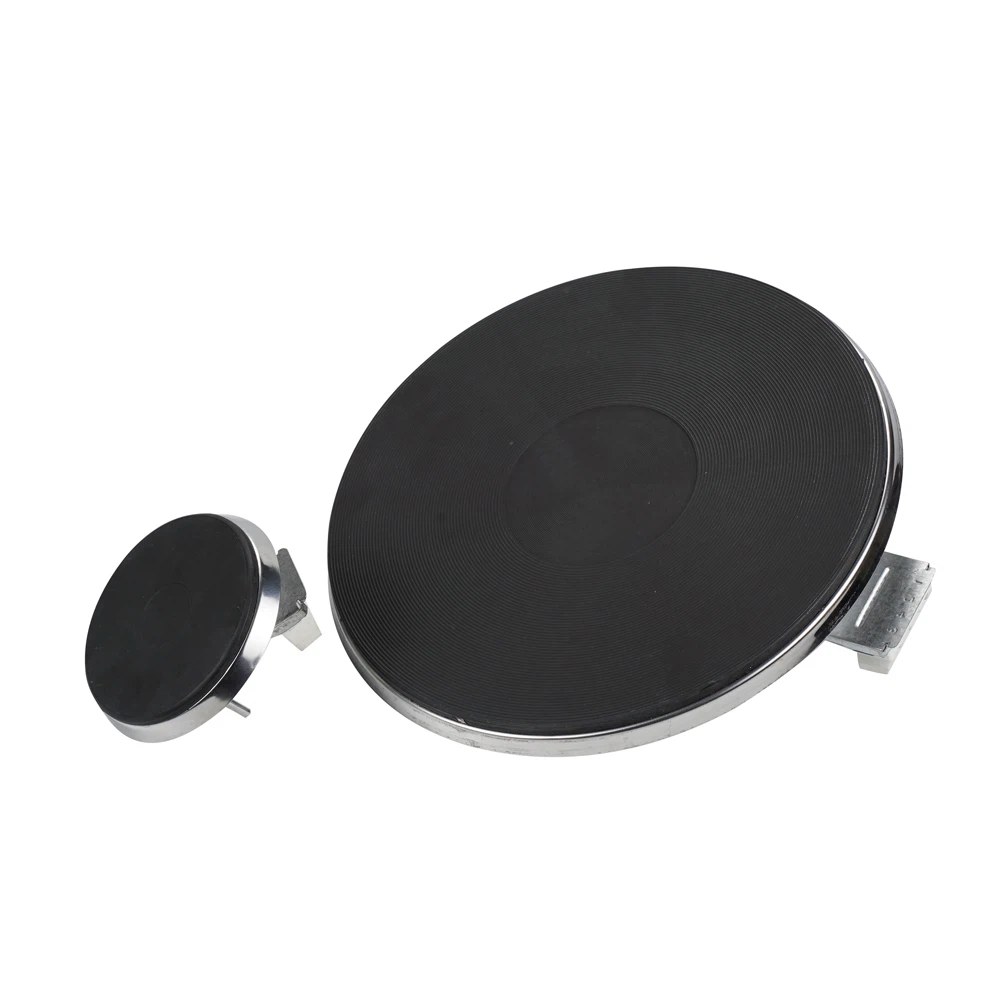
Here are the key questions answered to guide your selection:
Q1: What is the typical temperature range for a standard hot plate?
Standard hot plates with metallic surfaces (like stainless steel or aluminum) typically reach maximum surface temperatures between 350°C to 450°C (662°F to 842°F). However, the actual temperature experienced by your vessel or material will be lower due to heat loss. For precise temperature control within this range, models with digital thermostats and magnetic stirrers are recommended to maintain uniform heating.
Q2: How does a ceramic hot plate differ in performance?
Ceramic hot plates are known for their excellent chemical resistance and more uniform heat distribution. While their maximum temperature is often similar to metallic plates (around 400-450°C), the ceramic surface heats more evenly, reducing hotspots. This makes them ideal for applications like sample evaporation or maintaining precise temperatures in chemical processes.
Q3: What factors influence how hot a hot plate can get?
Several factors determine the achievable temperature:
- Wattage and Power Density: A higher-wattage hot plate will heat up faster and may reach a slightly higher maximum temperature. The power density (watts per square inch) is critical for heating speed.
- Surface Material: Aluminum cores offer faster heat transfer, while stainless steel provides durability. Ceramic surfaces offer the best uniformity.
- Vessel Contact: The size and flatness of the container placed on the hot plate significantly impact heat transfer. A warped or small-bottomed vessel will result in inefficient heating and lower effective temperatures.
Q4: What safety considerations are important at high temperatures?
Safety is paramount when operating near a hot plate's maximum temperature:
- Surface Indicators: Many modern hot plates feature red warning lights or illuminated surfaces to indicate when the plate is hot, preventing accidental burns.
- Automatic Shut-off: Look for models with built-in safety timers or over-temperature protection to prevent overheating if left unattended.
Proper Ventilation: Ensure adequate airflow around the hot plate, especially in enclosed spaces, to prevent the buildup of heat or fumes.
While standard hot plates generally operate up to 450°C, the optimal working temperature for your application depends on the specific model, surface material, and vessel used. Always consult the manufacturer's specifications for the exact temperature range and prioritize models with precise controls and safety features for demanding tasks.