
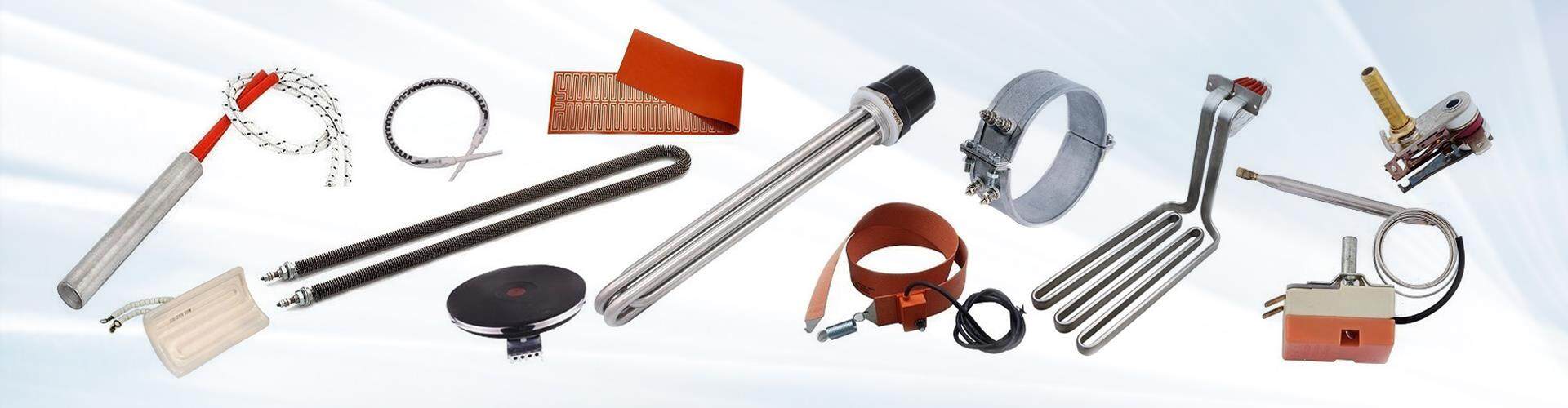
Flanged immersion heaters are industrial electric heating elements designed to heat liquids directly inside storage tanks, including crude oil tanks. They are widely used in the oil and gas industry to maintain oil temperature, reduce viscosity, and improve pumping and transfer efficiency.
Crude oil can become more viscous at low temperatures, making it difficult to pump through pipelines or transfer between storage tanks. A properly designed flanged immersion heater provides controlled, efficient heating to help maintain the required operating temperature.

How Do Flanged Immersion Heaters Work in Crude Oil Tanks?
A flanged immersion heater works by converting electrical energy into heat and transferring that heat directly to the crude oil surrounding the heating elements.
The heating process generally involves five steps:
- Electrical power supply: Electricity enters the heater through its terminal enclosure and supplies power to the resistance heating elements.
- Heat generation: The internal resistance wire converts electrical energy into thermal energy as current passes through it.
- Direct heat transfer: Heat travels through the heating element's metal sheath and transfers to the surrounding crude oil.
- Oil temperature increase: Natural convection and, where applicable, forced circulation distribute heat through the oil.
- Temperature control: A thermostat, temperature sensor, or industrial temperature controller monitors the oil temperature and switches or regulates the heater to maintain the desired setpoint.
The heater's flange provides a secure mounting and sealing interface at the tank wall or a designated nozzle. It also allows the heating element bundle to be removed for inspection and maintenance.
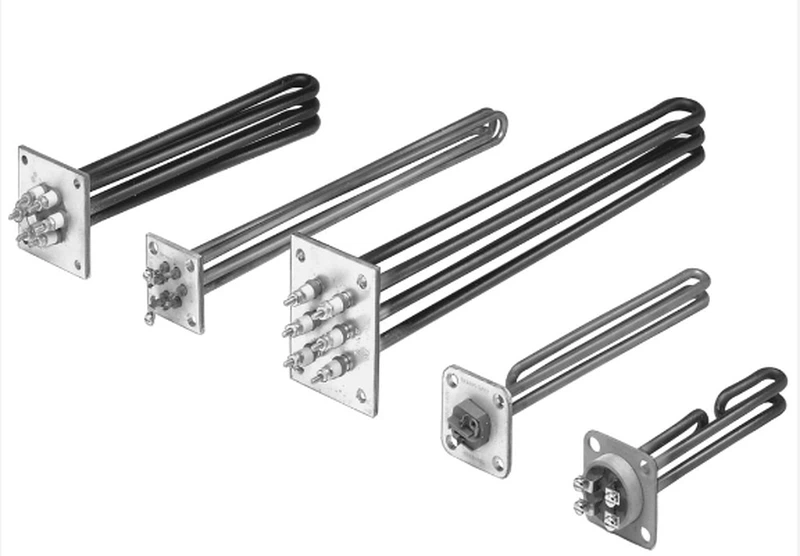
Why Are Flanged Immersion Heaters Used for Crude Oil Heating?
Flanged immersion heaters offer several advantages for crude oil storage and processing applications.
- Reduced oil viscosity: Heating helps crude oil flow more easily, supporting pumping and transfer operations.
- Improved transfer efficiency: Maintaining a suitable temperature can reduce flow resistance in pipes and associated equipment.
- Direct and efficient heating: The heating elements transfer heat directly into the oil without requiring a separate heat-transfer fluid circuit.
- Temperature maintenance: Properly sized heaters can maintain crude oil within a specified temperature range during storage.
- Industrial installation: Flanged connections are suitable for many industrial tanks and process vessels and facilitate servicing when the system is properly isolated.
Actual energy efficiency and heating performance depend on the heater design, oil properties, tank insulation, ambient temperature, and operating conditions.

Key Applications in Crude Oil Tanks
Flanged immersion heaters can be designed for several oil and gas applications:
|
Application |
Main purpose |
|---|---|
|
Crude oil storage tanks |
Maintain oil temperature during storage |
|
Heavy crude oil tanks |
Reduce viscosity to support pumping |
|
Oil transfer tanks |
Help prepare crude oil for transfer |
|
Oil processing vessels |
Provide controlled heating during processing |
|
Industrial oil terminals |
Support temperature management before loading or unloading |
The correct heating solution depends on the crude oil grade, required temperature, tank capacity, and process conditions.

Typical Specifications of Flanged Immersion Heaters
The following table shows common specification options. Actual specifications should be confirmed according to the project requirements.
|
Specification |
Typical options |
|---|---|
|
Heater type |
Flanged electric immersion heater |
|
Heating element material |
Stainless steel, Incoloy, or other suitable alloys |
|
Flange material |
Carbon steel or stainless steel |
|
Voltage |
Customized |
|
Power |
Customized |
|
Temperature control |
Thermostat, RTD, thermocouple, or external controller |
|
Installation |
Tank-mounted flange or designated vessel nozzle |
|
Protection |
Grounding, overtemperature protection, and suitable electrical enclosure |
FAQs
Q1: What is the main function of a flanged immersion heater in a crude oil tank?
Its main function is to heat crude oil directly, helping reduce viscosity, maintain a suitable storage temperature, and improve pumping or transfer operations.
Q2: Which material is best for flanged immersion heaters used in crude oil?
Stainless steel and Incoloy alloys are possible options, but the best material depends on crude oil composition, water and salt content, contaminants, temperature, and corrosion conditions. A compatibility assessment is recommended before selection.
Q3: Can flanged immersion heaters be used in hazardous areas?
Yes, provided the complete heater system is specifically designed, certified, and installed for the applicable hazardous-area classification. Appropriate temperature controls, independent safety protection, grounding, and electrical enclosures are essential.


