IBC (Intermediate Bulk Container) heaters are designed to improve heat transfer efficiency for faster heating times through several key mechanisms:
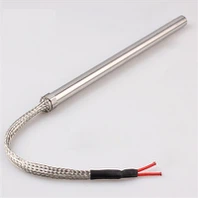
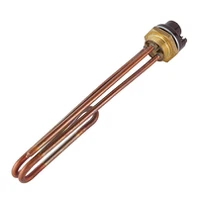
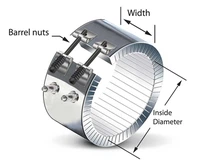
1-Direct Contact Heating: IBC heaters typically feature electric or other heating elements that come into direct contact with the walls of the drum or container. This direct contact allows for efficient heat transfer from the heating element to the container, which, in turn, rapidly heats the contents.
2-High Thermal Conductivity Materials: Many IBC heaters incorporate materials with high thermal conductivity. These materials help distribute heat evenly and quickly across the surface of the container, ensuring that there are no localized cold spots.
3-Even Distribution of Heating Elements: The design of IBC heaters often includes evenly spaced heating elements that cover the entire surface area of the container. This uniform distribution ensures that heat is applied consistently to the entire volume of the contents.
4-Insulation: Some IBC heaters incorporate insulation layers that help retain the heat generated by the heating elements within the container. This minimizes heat loss to the environment and ensures that the contents heat up more rapidly.
5-High Wattage and Fast Response: IBC heaters are often designed with high wattage heating elements and fast response times. This means that they can deliver a significant amount of heat quickly when activated, leading to rapid temperature increases within the container.
6-Efficient Heat Transfer to Contents: In addition to heating the container walls, IBC heaters are engineered to efficiently transfer heat to the product or contents within the container. This ensures that the entire volume of the contents is heated effectively, allowing for faster heating times.
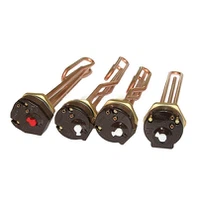
7-Thermostat and Temperature Control: Many IBC heaters come equipped with thermostats and temperature control systems. Users can set the desired temperature range for their specific application. The heater continuously monitors the temperature and adjusts its heating output to maintain the chosen temperature, avoiding unnecessary overheating and optimizing heating efficiency.
8-Quick Heat-Up: IBC heaters are designed for rapid heat-up times, which is particularly advantageous when dealing with temperature-sensitive products or when there's a need for quick heating for processing or other purposes.
9-Customizable Settings: Users can often customize the settings of IBC heaters, such as temperature setpoints and heating duration, to meet the specific requirements of their application. This flexibility ensures that heating is efficient and tailored to the contents of the container.