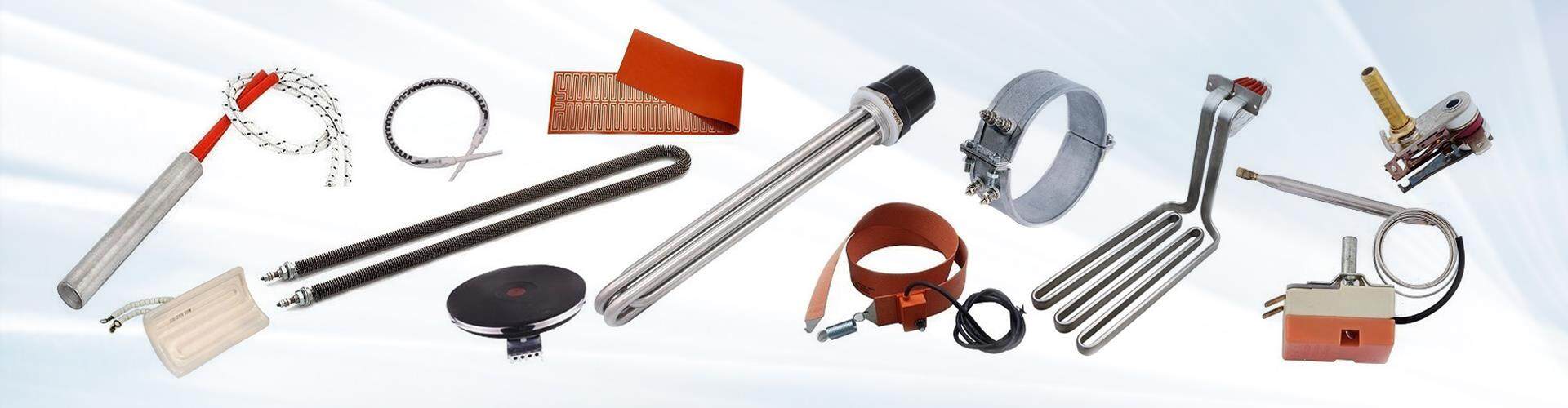
Capillary temperature controllers are widely used in ovens and stoves to regulate the temperature effectively. These controllers typically consist of a capillary tube, a sensing bulb, and a mechanical or electrical switch. Here's how they work:
Sensing the Temperature: The sensing bulb, which is usually filled with a thermally reactive liquid or gas, is placed in a location where the temperature needs to be monitored (such as inside the oven or stove). As the temperature inside the oven or stove changes, the liquid inside the bulb expands or contracts based on the heat.
Transmission of Temperature Changes: The capillary tube connects the sensing bulb to the control mechanism. When the liquid inside the bulb expands due to heat, it pushes the liquid along the capillary tube, transmitting the temperature change to the controller.

Triggering the Switch: The movement of the liquid in the capillary tube causes mechanical movement that activates or deactivates a switch (mechanical or electrical). This switch is responsible for turning the heating element on or off based on the set temperature.
Regulating the Heat: The controller is usually set to a specific temperature. When the oven or stove's internal temperature reaches this preset value, the capillary temperature controller turns off the heating element, preventing overheating. When the temperature drops, the switch reactivates the heating element to maintain the desired temperature.
Maintaining Consistency: These controllers ensure a consistent temperature by making small adjustments. As the internal temperature fluctuates, the capillary system continuously reacts, turning the heat on or off as needed to maintain the set temperature within a desired range.

Advantages in Ovens & Stoves:
Precision: Capillary temperature controllers provide accurate temperature regulation, making them ideal for cooking or baking applications.
Reliability: Mechanical controllers are often durable and less prone to failure compared to electronic temperature controllers.
Cost-Effectiveness: These controllers are relatively inexpensive and widely used in basic home and commercial ovens and stoves.
In summary, capillary temperature controllers for ovens and stoves offer a simple, reliable, and cost-effective method for maintaining precise temperature control, ensuring that food is cooked or baked evenly and safely.