
How Does a Thermal Protector Prevent Heating Element Failure?
A thermal protector is an important safety component used in heating systems to prevent overheating and protect heating elements from damage. When a heating element operates under abnormal conditions, excessive temperature may cause insulation failure, wire damage, or shorten the service life of the heater.
The main function of a thermal protector is to monitor temperature and interrupt the electrical circuit when the temperature exceeds a preset safety limit. Once the heater cools down to a safe level, some types of thermal protectors can automatically reset and allow the system to continue working.
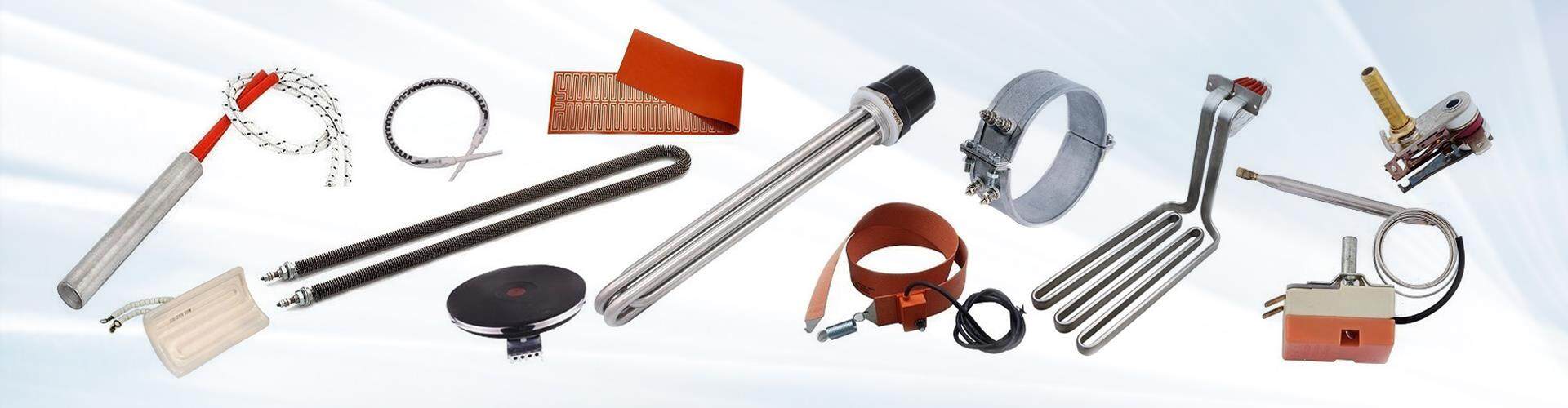
Heating elements such as silicone rubber heaters, cartridge heaters, immersion heaters, and electric heating tubes often work together with thermal protectors to improve system reliability and safety. This combination helps prevent failures caused by dry heating, poor heat dissipation, abnormal operation, or unexpected temperature increases.
When selecting a thermal protector, important factors include operating temperature, voltage rating, current capacity, response speed, and installation method. Choosing the right protection device ensures that the heating element can operate efficiently while reducing the risk of damage.
As a professional heating element manufacturer, we provide customized heating solutions with reliable temperature control and protection components. Our technical team can help customers select suitable heating elements, thermostats, and thermal protectors according to their application requirements.


