
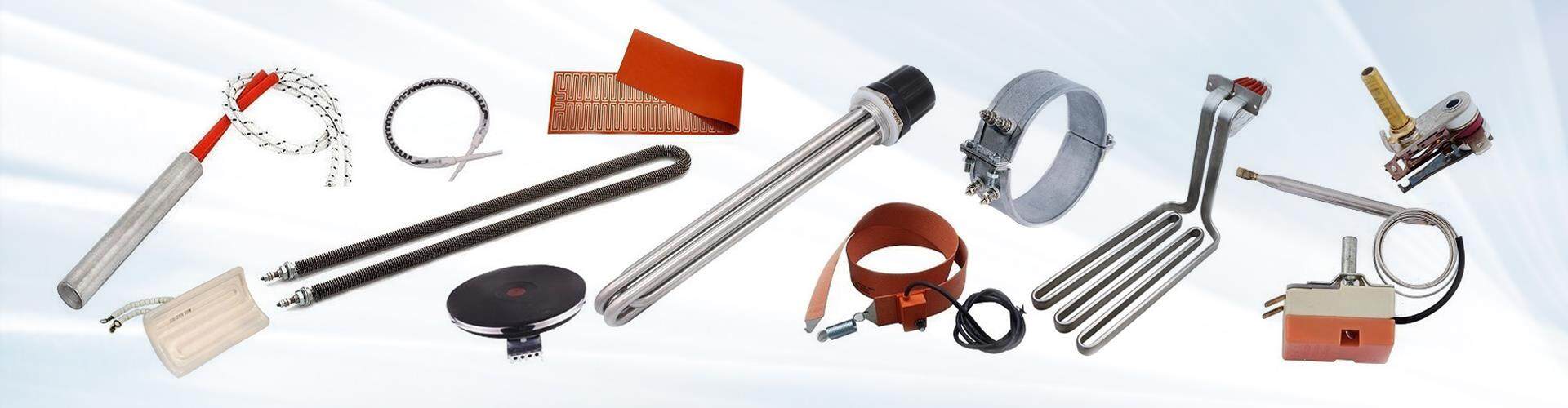
Elevator systems are often installed in buildings, industrial facilities, transportation hubs, and outdoor environments where temperature and humidity can vary significantly. In cold or humid conditions, heating elements can help maintain the operating temperature of key electrical and mechanical components. From elevator control cabinets and door systems to hydraulic equipment, electric heaters provide a simple solution for freeze protection, condensation prevention, and temperature maintenance.
Why Do Elevator Systems Need Heating Elements?
Elevator components contain electrical and electronic parts that can be affected by low temperatures, moisture, and condensation. When an elevator is installed in an unheated area or exposed to cold weather, condensation may form inside the control cabinet when the temperature changes.
A suitable elevator heating element can maintain the internal temperature above the condensation point, helping protect electrical components and improve system reliability.
Common purposes include:
- Preventing condensation
- Protecting electrical components
- Maintaining suitable operating temperatures
- Preventing freezing
- Improving equipment reliability in cold environments
1. Heating Elements for Elevator Control Cabinets
The elevator control cabinet is one of the most important applications for electrical heating elements.
Control cabinets may contain:
- Variable frequency drives (VFDs)
- Contactors
- Relays
- Circuit breakers
- Control boards
- Power supplies
When the elevator is located in a cold or humid environment, moisture can condense on these components. A small control cabinet heater can raise the internal temperature and reduce the risk of condensation.
For this application, heating elements are usually combined with a thermostat or temperature controller.
Low temperature → Heater turns ON → Cabinet temperature rises → Thermostat turns heater OFF
This provides simple and automatic temperature management.
2. Heating Elements for Outdoor Elevators
Outdoor elevators face greater temperature fluctuations than indoor elevator systems. In winter, low ambient temperatures can affect electrical equipment, door mechanisms, and other components.
Electric heating elements for outdoor elevators can provide localized heating where necessary.
They can be used in:
- Elevator control cabinets
- Electrical enclosures
- Door mechanisms
- Hydraulic systems
- Other cold-sensitive components
Depending on the installation environment, different heating technologies can be selected, including tubular heating elements, silicone heaters, PTC heaters, and resistance heating elements.
3. Preventing Condensation in Elevator Electrical Equipment
Condensation is one of the main concerns for elevator equipment installed in cold or humid environments.
For example, when a cold elevator control cabinet is exposed to warmer and more humid air, water vapor can condense on internal electrical components. Continuous condensation may contribute to corrosion, insulation problems, or electrical faults.
A properly sized cabinet heating element maintains the internal temperature slightly above the surrounding dew point.
This can help:
- Reduce moisture accumulation
- Protect electrical contacts
- Reduce corrosion
- Improve electrical insulation reliability
- Extend component service life
4. Heating Elements for Hydraulic Elevators
Hydraulic elevators may require heating in cold environments because low temperatures can affect hydraulic oil viscosity.
When hydraulic oil becomes too cold, its flow characteristics can change and potentially affect system response.
A suitable hydraulic elevator heating element can be used to maintain the required oil temperature.
Depending on the system design, heating elements may be installed in or around the hydraulic oil reservoir.
The heating system can be controlled by a thermostat to prevent unnecessary heating and overheating.
5. Heating for Elevator Door Systems
Elevator doors are particularly sensitive to freezing conditions in outdoor or semi-outdoor applications.
Low temperatures, ice, or condensation can interfere with smooth door operation.
Localized heating solutions can help protect door mechanisms from freezing. In some applications, silicone flexible heaters or compact resistance heaters can be installed near temperature-sensitive areas.
The heating system can maintain the component at an appropriate temperature without requiring continuous high-power heating.
What Types of Heating Elements Can Be Used in Elevators?
Different elevator applications require different heater designs.
| Heating Element | Typical Elevator Application | Main Advantage |
|---|---|---|
| Tubular Heater | Cabinets, hydraulic systems | Robust construction |
| Silicone Heater | Door systems, irregular surfaces | Flexible and thin |
| PTC Heater | Control cabinets, air heating | Self-regulating heating characteristics |
| Resistance Heater | Customized heating systems | Flexible resistance and power design |
| Aluminum Heating Element | Enclosures and equipment | Good heat transfer |
The correct heater depends on the required power, temperature, installation space, voltage, and operating environment.


How Does a Thermostat Work with an Elevator Heater?
A heating element is usually combined with a thermostat, such as a KSD301 snap-action bimetal thermostat, to control temperature.
For example:
Temperature below set point → Heater ON
Temperature reaches set point → Thermostat switches OFF
Temperature falls again → Heater switches ON
This combination provides a simple temperature-control solution while reducing unnecessary energy consumption.
How to Select a Heating Element for an Elevator System?
When selecting an elevator heating element, manufacturers should consider:
- Rated voltage
- Required heating power
- Operating temperature
- Installation location
- Available space
- Ambient temperature
- Humidity and environmental conditions
- Thermostat or temperature-control requirements
For customized elevator heaters, providing the installation dimensions and required voltage, wattage, and temperature range allows the heater manufacturer to recommend a suitable design.
Heating elements play an important role in elevator systems exposed to cold and humid environments. They can be used to prevent condensation in control cabinets, protect outdoor elevator equipment from freezing, maintain hydraulic oil temperature, and support reliable door operation.
For elevator manufacturers, choosing the right heating element, thermostat, and temperature-control method can help improve equipment reliability and reduce failures caused by low temperatures and moisture. Jaye Heater can customize tubular heaters, silicone heaters, PTC heaters, and resistance heating elements according to the specific requirements of elevator equipment.

One-stop Heating & Controllers Factory in China
Upgrade your heating systems with Jaye Heater's premium components. For reliable heating elements and precise thermal controllers that ensure performance and safety, contact our experts today for a quote and technical support. Let's find your perfect heating solution.


