Electric heating elements used in high-pressure or vacuum environments must meet stringent requirements to ensure safety and reliability. Several types of electric heating elements can be used in these conditions:
1. Cartridge Heaters:
Cartridge heaters are cylindrical heating elements inserted into a hole or cavity. They are often made from materials like stainless steel, Incoloy, or other high-temperature alloys. Cartridge heaters can be used in high-pressure and vacuum environments with proper sealing.

2. Tubular Heaters:
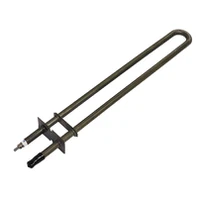
Tubular heaters consist of a metal sheath with a heating element inside. They are versatile and can be customized to suit high-pressure and vacuum applications. High-temperature alloys like Incoloy or stainless steel are commonly used for the sheath.
3. Band Heaters:
Band heaters wrap around cylindrical objects like pipes or nozzles. They can be designed with suitable materials and insulation for use in high-pressure or vacuum environments.

4. Flexible Heaters:
Flexible heaters are thin, flexible elements that can conform to curved or irregular surfaces. They can be made using materials compatible with high-pressure and vacuum conditions, such as silicone or Kapton.

5. Coiled Wire Heaters:
Coiled wire heaters consist of a heating wire wound into a coil or helix. These can be installed in various configurations and are often used in industrial ovens and furnaces. The choice of wire material is critical for high-pressure and vacuum applications.
6. Induction Heaters:
Induction heating coils can be used in vacuum environments for applications where rapid and precise heating is required. Specialized induction heating systems can be designed for vacuum compatibility.
7. Flange Immersion Heaters:
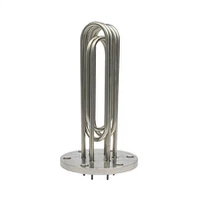
Flange immersion heaters consist of a heating element attached to a flange that can be bolted to a tank or vessel. These can be used in high-pressure or vacuum applications when properly designed and sealed.

When selecting an electric heating element for high-pressure or vacuum environments, consider factors such as the required temperature range, heating capacity, control options, and the materials used for the heating element and insulation. Proper sealing and insulation are crucial to maintaining the integrity of the pressure or vacuum system.
It's important to consult with experts in electrical engineering and heating element design to ensure that the chosen heating element is suitable for the specific conditions and requirements of your application. Additionally, adherence to safety standards and regulations is essential when working with high-pressure and vacuum systems.