
What is the Energy Efficiency of an Electric Hot Plate?
As a supplier of Electric Hot Plates, I've witnessed firsthand the growing interest in energy efficiency among consumers and businesses alike. In today's world, where environmental concerns and energy costs are at the forefront, understanding the energy efficiency of an electric hot plate is crucial for making informed purchasing decisions.
Understanding Energy Efficiency
Energy efficiency refers to the ratio of useful energy output to the total energy input of a device. In the context of an electric hot plate, it means how effectively the device converts electrical energy into heat energy for cooking. A more energy - efficient hot plate will use less electricity to produce the same amount of heat, resulting in lower energy bills and reduced environmental impact.

Factors Affecting Energy Efficiency
There are several factors that can influence the energy efficiency of an electric hot plate. One of the most significant is the type of heating technology used.
Coil - Type Electric Hot Plates
Coil - type electric hot plates are the traditional and most common type. They consist of a coiled heating element made of resistance wire. When an electric current passes through the wire, it heats up due to its resistance, and this heat is then transferred to the cooking vessel. However, coil - type hot plates are generally less energy - efficient. A significant amount of heat is lost to the surrounding air during the heating process, and they also take a relatively long time to reach and maintain the desired cooking temperature.
Induction Stove Hot Plate
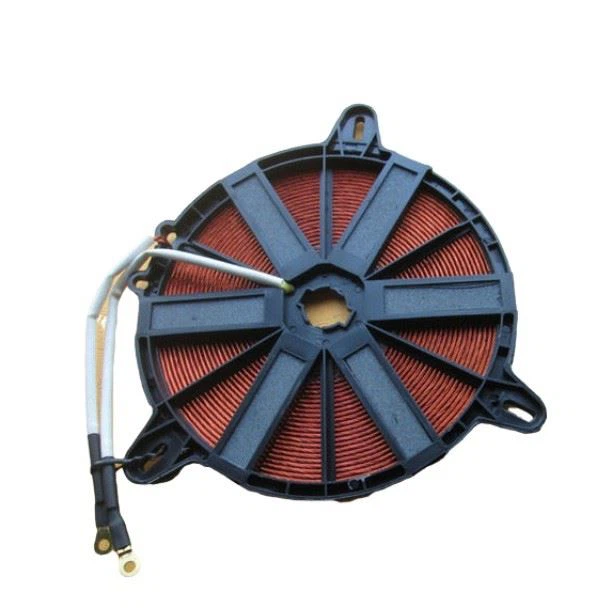
Induction technology represents a major leap forward in energy efficiency. An Induction Stove Hot Plate uses electromagnetic fields to directly heat the cooking vessel. It has a copper heating coil beneath a glass - ceramic surface. When an alternating current passes through the coil, it creates a magnetic field. If the cooking vessel is made of a magnetic material (such as cast iron or stainless steel), the magnetic field induces an electric current (eddy current) in the vessel, which generates heat directly within the vessel itself.
This direct heating method has several advantages. Firstly, it is extremely energy - efficient because almost all of the energy is transferred directly to the cooking vessel, with very little heat lost to the surrounding environment. Secondly, induction hot plates heat up very quickly compared to coil - type ones. They can reach high temperatures in a matter of seconds and also cool down rapidly once turned off, giving users more precise control over the cooking process.
Measuring Energy Efficiency
Energy efficiency is often measured using the coefficient of performance (COP). For an electric hot plate, the COP is defined as the ratio of the heat output (Q) to the electrical energy input (W). A higher COP indicates a more energy - efficient device.
In real - world applications, the energy efficiency of an electric hot plate can also be evaluated by comparing the amount of electricity consumed to cook a specific dish. For example, if two different hot plates are used to boil a liter of water, and one consumes less electricity to achieve the same result, it is the more energy - efficient option.
Benefits of Energy - Efficient Electric Hot Plates
Cost Savings
The most obvious benefit of using an energy - efficient electric hot plate is cost savings. Lower energy consumption means lower electricity bills. Over time, these savings can add up significantly, especially for commercial kitchens that use hot plates for long hours every day.
Environmental Impact
Energy - efficient electric hot plates are also better for the environment. By using less electricity, they reduce the demand for fossil - fuel - based electricity generation, which in turn decreases greenhouse gas emissions. This is an important consideration for consumers and businesses who are committed to reducing their carbon footprint.
Cooking Performance
In addition to energy savings and environmental benefits, energy - efficient hot plates often offer superior cooking performance. As mentioned earlier, induction hot plates heat up quickly and provide precise temperature control, which can lead to better - cooked meals. They also tend to have a longer lifespan due to the more advanced technology and better - engineered components.
Our Product Range and Energy Efficiency
At our company, we offer a wide range of electric hot plates, including both coil - type and Induction Cooktop models. Our Induction Cooker Copper Heating Coil technology ensures high - efficiency heating and excellent cooking performance.
We understand the importance of energy efficiency in today's market, and we are committed to providing our customers with products that are not only energy - efficient but also reliable and affordable. Our induction hot plates are designed to meet the needs of both home and commercial users, with features such as variable temperature control, automatic shut - off, and easy - to - clean surfaces.
Making the Right Choice
When choosing an electric hot plate, it's important to consider your specific needs and usage patterns. If you are on a tight budget and only need occasional use, a coil - type hot plate may be a suitable option. However, if you are looking for long - term energy savings, better cooking performance, and a more environmentally friendly choice, an induction hot plate is the way to go.
Contact Us
If you are interested in learning more about our electric hot plates or have any questions regarding energy efficiency, please feel free to contact us. We are more than happy to assist you in finding the right product for your needs and to discuss any potential purchasing opportunities. We look forward to the possibility of working with you and helping you make the most energy - efficient choice in electric hot plates.
References
- DOE (Department of Energy). Energy Efficiency Standards for Residential Cooking Products.
- ASHRAE Handbook. Fundamental Principles of Energy Transfer in Cooking Appliances.
- IEEE Journal on Electromagnetic Applications in Induction Cooking.


