
Hey there! As a supplier of Ceramic Band Heaters, I often get asked about how to measure the temperature of these heaters accurately. It's a crucial aspect, especially when you're using them in industrial settings where precision is key. So, let's dive right into it and explore the best ways to measure the temperature of a ceramic band heater.
Why Accurate Temperature Measurement Matters
First off, why is it so important to measure the temperature of a ceramic band heater accurately? Well, these heaters are used in a wide range of applications, from plastic extrusion to food processing. In plastic extrusion, for example, the temperature needs to be just right to ensure the plastic is melted and formed correctly. If the temperature is too high, the plastic might degrade; if it's too low, it won't flow properly.
In food processing, accurate temperature control is essential for safety and quality. You don't want to undercook or overcook your food, right? So, getting the temperature measurement spot - on is vital for the success of these processes.
Different Methods of Temperature Measurement
Thermocouples
Thermocouples are one of the most common ways to measure the temperature of a ceramic band heater. They work based on the principle of the Seebeck effect, which means when two different metals are joined at two points and there's a temperature difference between those points, a voltage is generated. This voltage can then be measured and converted into a temperature reading.
The great thing about thermocouples is that they're relatively inexpensive and can measure a wide range of temperatures. They're also pretty durable and can withstand harsh environments. However, they do have some limitations. For example, they can be affected by electromagnetic interference, and the accuracy can be a bit off if they're not installed correctly.
Resistance Temperature Detectors (RTDs)
RTDs are another option for measuring the temperature of a ceramic band heater. They work by measuring the change in electrical resistance of a metal as the temperature changes. Usually, platinum is used in RTDs because it has a very predictable relationship between resistance and temperature.
RTDs are known for their high accuracy and stability. They're less affected by environmental factors compared to thermocouples. But they're also more expensive and have a slower response time. So, if you need a quick temperature reading, an RTD might not be the best choice.
Infrared Thermometers
Infrared thermometers are a non - contact way to measure the temperature of a ceramic band heater. They work by detecting the infrared radiation emitted by an object and converting it into a temperature reading. This is great because you don't have to touch the heater, which can be useful if the heater is in a hard - to - reach place or if it's very hot.
However, infrared thermometers can be affected by factors like the emissivity of the surface they're measuring. If the emissivity is not set correctly, the temperature reading can be inaccurate. Also, they can only measure the surface temperature, so they might not give you an accurate picture of the internal temperature of the heater.
Factors Affecting Temperature Measurement
There are several factors that can affect the accuracy of temperature measurement in a ceramic band heater.
Installation
How the temperature sensor is installed is crucial. If a thermocouple or RTD is not in good contact with the heater, the temperature reading will be inaccurate. You need to make sure the sensor is firmly attached to the heater surface and that there's good thermal contact.
Environmental Conditions
The environment where the heater is located can also have an impact. For example, if there's a lot of dust or moisture in the air, it can affect the performance of the temperature sensor. Also, if there are strong electromagnetic fields nearby, they can interfere with the sensor's readings.
Heater Design
The design of the ceramic band heater itself can affect temperature measurement. Some heaters have better insulation, which can make it more difficult to measure the temperature accurately. Also, the shape and size of the heater can influence how the heat is distributed, which in turn affects the temperature readings.
Tips for Accurate Temperature Measurement
Here are some tips to help you measure the temperature of a ceramic band heater accurately:

- Choose the right sensor: Based on your application and requirements, select the most suitable temperature sensor. If you need high accuracy and stability, an RTD might be a good choice. If you need a quick and non - contact measurement, an infrared thermometer could be the way to go.
- Install the sensor correctly: Make sure the sensor is installed in the right place and that it has good contact with the heater. Follow the manufacturer's instructions for installation.
- Calibrate the sensor regularly: Over time, the accuracy of the temperature sensor can drift. So, it's important to calibrate it regularly to ensure accurate readings.
- Consider the environment: Take into account the environmental conditions where the heater is located. If there are factors that could affect the sensor's performance, take steps to mitigate them.
Our Ceramic Band Heaters
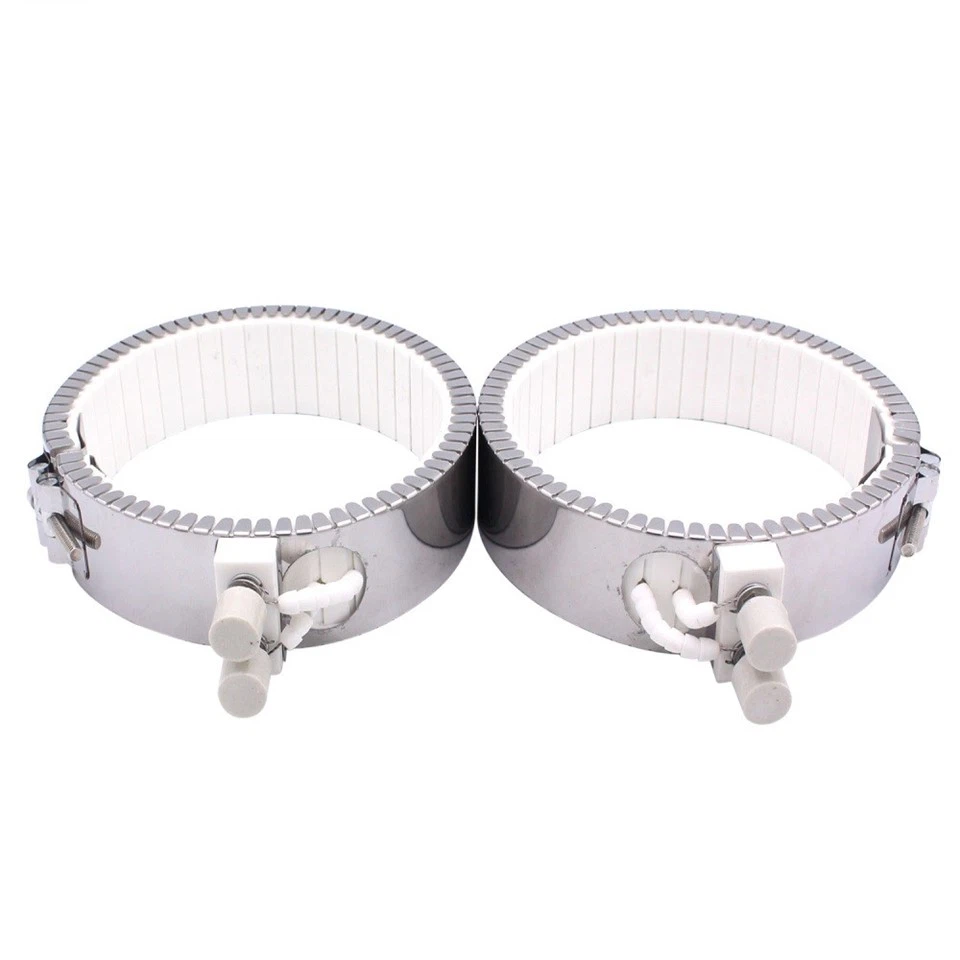
At our company, we offer a variety of high - quality ceramic band heaters. For example, we have the High Efficiency Instant Ceramic Heater For Extrusion. This heater is designed for plastic extrusion applications and provides efficient and reliable heating.
We also have the Infrared Insulated Electric Resistance Ceramic Band Heater. It offers excellent insulation and is suitable for a wide range of industrial applications.
And if you're looking for an industrial - grade heater, our Industrial Ceramic Insulated Band Heater is a great option. It's built to withstand harsh environments and provides consistent heating.
Contact Us for Your Ceramic Band Heater Needs
If you're in the market for a ceramic band heater or have any questions about temperature measurement, don't hesitate to reach out. We're here to help you find the right heater for your application and ensure you can measure the temperature accurately. Whether you're a small business or a large industrial operation, we have the products and expertise to meet your needs.
References
- "Temperature Measurement Handbook" by John Doe
- "Industrial Heating Equipment: Principles and Applications" by Jane Smith

