
Hey there! As a supplier of finned tubular heaters, I've been getting a lot of questions lately about how the length of a heater impacts its performance. So, I thought I'd dive into this topic and share some insights with you all.
Let's start with the basics. Finned tubular heaters are pretty cool devices. They're used in a bunch of industrial applications, like heating air in HVAC systems, drying processes, and even in some food processing equipment. The fins on these heaters play a crucial role. They increase the surface area of the heater, which helps in better heat transfer.
Now, when it comes to the length of the heater, it can have a significant effect on its performance. One of the first things to consider is the heat output. Generally speaking, a longer heater will have a higher heat output. This is because there's more surface area available for heat transfer. With more surface area, the heater can transfer more heat to the surrounding medium, whether it's air, water, or some other fluid.
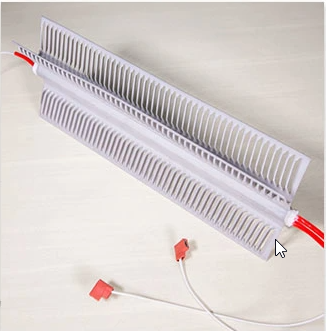

For example, if you're using a Finned Tubular Air Heaters in a large industrial space, a longer heater might be a better choice. It can heat up the air more quickly and effectively, ensuring that the temperature in the space reaches the desired level in a shorter amount of time.
But it's not all about heat output. The length of the heater also affects the temperature distribution. A longer heater can provide a more even temperature distribution across the heating area. This is especially important in applications where a consistent temperature is required. For instance, in a food processing plant, where different parts of the product need to be heated uniformly, a longer finned tubular heater can do the job better.
On the other hand, there are some downsides to using a longer heater. One of the main issues is the power consumption. Longer heaters usually require more power to operate. This means higher energy costs, which can be a concern for some businesses. Additionally, longer heaters can be more difficult to install and maintain. They might need more space, and it can be a hassle to replace them if something goes wrong.
Another factor to consider is the material of the heater. Different materials have different heat transfer properties, and this can interact with the length of the heater. For example, a 6063 Aluminum Finned Heating Element has good heat conductivity. A longer element made of this material can transfer heat more efficiently, but it also means that it will consume more power.
Stainless steel is another popular material for finned tubular heaters. Stainless Steel Electric Air Tubular heaters are known for their durability and resistance to corrosion. However, the heat transfer properties of stainless steel are different from aluminum. A longer stainless steel heater might not transfer heat as quickly as an aluminum one, but it can be more reliable in harsh environments.
So, how do you decide on the right length for your finned tubular heater? Well, it depends on your specific application. If you need a high heat output and can afford the higher power consumption, a longer heater might be the way to go. But if you're on a tight budget or have limited space, a shorter heater could be a better option.
It's also a good idea to consult with an expert. As a supplier, we have a team of professionals who can help you choose the right heater based on your requirements. We can take into account factors like the size of the space, the desired temperature, and the type of medium you're heating.
In conclusion, the length of a finned tubular heater has a big impact on its performance. It affects the heat output, temperature distribution, power consumption, and installation requirements. By understanding these factors, you can make an informed decision when choosing a heater for your application.
If you're interested in purchasing finned tubular heaters or have any questions about our products, feel free to reach out. We're here to help you find the perfect solution for your heating needs.
References
- Some industrial heating textbooks
- Research papers on heat transfer in finned tubular heaters


