
As a supplier of drum silicone heaters, I often receive inquiries about the suitability of our products in various environments. One common question is whether a drum silicone heater can be used for drums in a vibrating environment. In this blog post, I will delve into this topic, exploring the technical aspects, potential challenges, and solutions to help you make an informed decision.
Understanding Drum Silicone Heaters
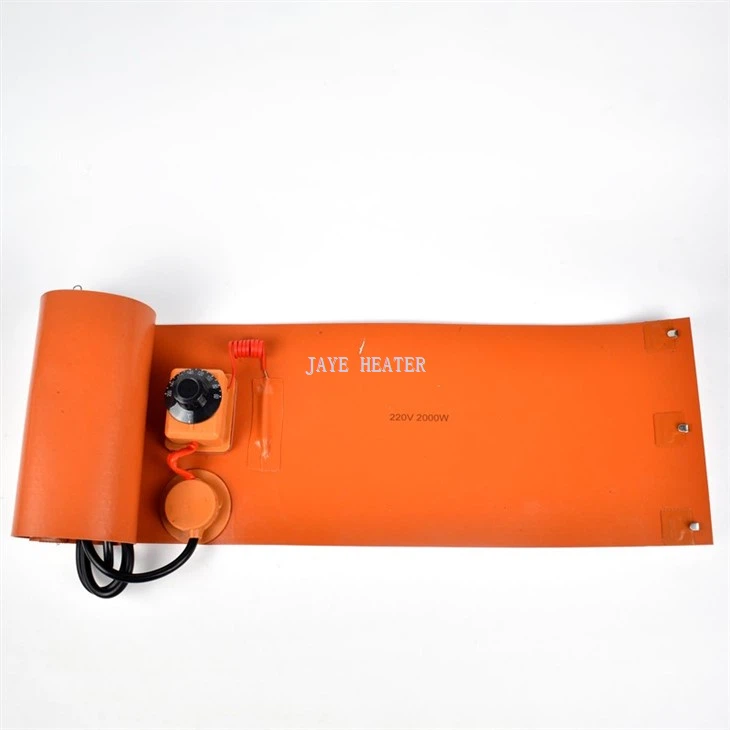
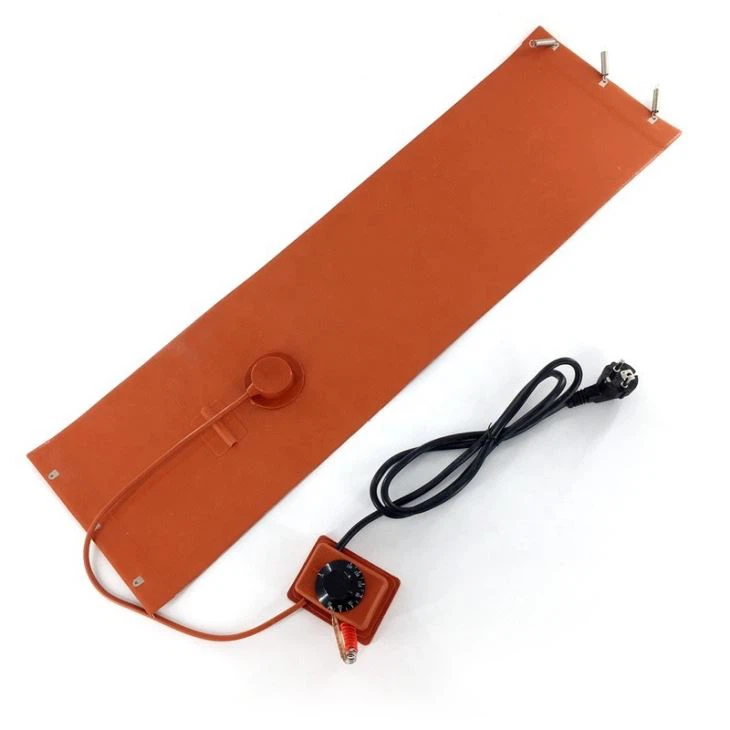
Before we discuss the use of drum silicone heaters in vibrating environments, let's first understand what these heaters are. Drum silicone heaters are flexible heating elements made of silicone rubber. They are designed to wrap around drums to maintain a consistent temperature of the contents inside the drums. These heaters are widely used in industries such as chemical, pharmaceutical, food, and beverage to prevent the solidification or viscosity changes of liquids in drums.
There are different types of drum silicone heaters available in the market, including Silicone Rubber Explosion-Proof Oil Drum Heater, Silicone Oil Drum Heater, and 55 Gallon Metal Oil Drum Silicone Heater. Each type is designed to meet specific requirements, such as explosion-proof, high-temperature resistance, and compatibility with different drum sizes.
Challenges of Using Drum Silicone Heaters in Vibrating Environments
Vibrating environments pose several challenges to the use of drum silicone heaters. The most significant challenge is the potential damage to the heater caused by vibration. Continuous vibration can lead to mechanical stress on the heater, which may cause cracks or breaks in the silicone rubber or the heating elements inside. This can not only affect the performance of the heater but also pose a safety hazard.
Another challenge is the displacement of the heater. In a vibrating environment, the heater may shift or move from its original position, which can result in uneven heating of the drum. This can lead to temperature variations in the contents of the drum, affecting the quality and consistency of the product.
Technical Considerations
To determine whether a drum silicone heater can be used in a vibrating environment, several technical factors need to be considered.
- Material Quality: The quality of the silicone rubber used in the heater is crucial. High-quality silicone rubber has better flexibility, durability, and resistance to mechanical stress. It can withstand the vibration without cracking or breaking easily.
- Heating Element Design: The design of the heating elements inside the silicone rubber also plays an important role. A well-designed heating element should be able to resist the vibration and maintain its electrical conductivity. For example, some heating elements are made of a special material or have a unique structure that can reduce the impact of vibration.
- Installation Method: The way the heater is installed on the drum can also affect its performance in a vibrating environment. A secure and proper installation method can prevent the heater from shifting or moving. For example, using straps or clamps to fix the heater tightly to the drum can ensure a stable connection.
Solutions and Best Practices
Despite the challenges, there are several solutions and best practices that can help ensure the safe and effective use of drum silicone heaters in vibrating environments.
- Choose the Right Heater: Select a drum silicone heater that is specifically designed for use in vibrating environments. These heaters are usually made of high-quality materials and have a more robust design to withstand the vibration.
- Proper Installation: Ensure that the heater is installed correctly on the drum. Use appropriate installation accessories, such as straps or clamps, to secure the heater tightly to the drum. Make sure that the heater is evenly wrapped around the drum to ensure uniform heating.
- Regular Maintenance: Regularly inspect the heater for any signs of damage or wear. Check the connections, wiring, and the silicone rubber for cracks or breaks. Replace the heater immediately if any damage is detected.
- Vibration Damping: Consider using vibration damping materials or mounts to reduce the impact of vibration on the heater. These materials can absorb or isolate the vibration, protecting the heater from mechanical stress.
Case Studies and Real-World Examples
To illustrate the effectiveness of using drum silicone heaters in vibrating environments, let's look at some case studies and real-world examples.
In a chemical plant, drums of viscous chemicals need to be heated to maintain their fluidity. The drums are located in an area with significant vibration due to the operation of nearby machinery. By using a high-quality drum silicone heater specifically designed for vibrating environments and installing it with proper mounting accessories, the plant was able to achieve consistent heating of the drums, ensuring the smooth operation of the production process.
In a food processing factory, drums of liquid food products need to be kept at a specific temperature. The factory has a conveyor system that causes vibration to the drums. By choosing a drum silicone heater with a robust design and using vibration damping materials, the factory was able to prevent the displacement of the heater and maintain a uniform temperature in the drums, ensuring the quality of the food products.
Conclusion
In conclusion, while using a drum silicone heater in a vibrating environment poses some challenges, it is possible to do so safely and effectively with the right heater, proper installation, regular maintenance, and appropriate vibration damping measures. At our company, we offer a wide range of drum silicone heaters that are designed to meet the needs of various industries, including those with vibrating environments. If you are considering using a drum silicone heater for drums in a vibrating environment, we encourage you to contact us for more information and to discuss your specific requirements. Our team of experts can help you choose the right heater and provide you with valuable advice on installation and maintenance.
References
- ASTM International. (Year). Standard test methods for evaluating the performance of silicone rubber heating elements. ASTM Designation: [Specific Designation].
- Industry standards for drum heating equipment in vibrating environments. [Publisher]. [Year].
- Research papers on the effect of vibration on flexible heating elements. [Author]. [Publication]. [Year].


