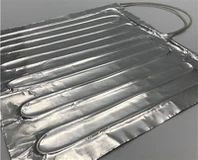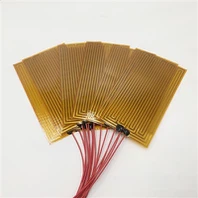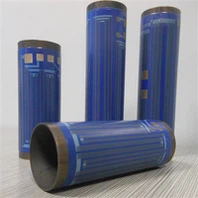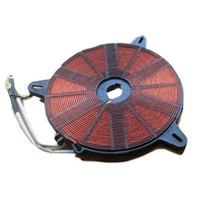
Carbon fiber heating technology is particularly well-suited to the semiconductor industry due to its unique properties, which align closely with the stringent requirements of semiconductor manufacturing. Here are the key reasons:

1. Uniform and Precise Temperature Control
Semiconductor processes (e.g., lithography, etching, deposition) require extremely stable and uniform heating to ensure consistent material properties and device performance.
Carbon fiber heaters distribute heat evenly across large surfaces, minimizing hotspots and thermal gradients that could damage wafers or cause defects.
2. Rapid Thermal Response
Carbon fiber heats up and cools down quickly, enabling fast process adjustments. This is critical for processes like rapid thermal processing (RTP) or annealing, where precise temperature ramps are needed.
3. High Purity and Low Contamination
Unlike metal heaters, carbon fiber does not outgas or release particles at high temperatures, reducing contamination risks in cleanroom environments.
It is chemically inert, avoiding reactions with process gases or wafer materials.
4. Energy Efficiency
Carbon fiber converts electrical energy to heat with high efficiency (near 100%), reducing power consumption compared to traditional resistive heaters.
5. Durability and Longevity
Resistant to oxidation and degradation at high temperatures (up to 1,500°C+ in inert environments), carbon fiber heaters outperform metal counterparts in longevity, reducing downtime and maintenance costs.
6. Lightweight and Flexible Design
Can be shaped into thin, flexible heating elements for custom applications, such as heating stages or chamber components, without adding significant mass.
7. EMI and Static Control
Carbon fiber's conductive properties can help mitigate electrostatic discharge (ESD), which is critical for protecting sensitive semiconductor devices.
Key Applications in Semiconductor Industry
Wafer heating during deposition (CVD, PVD) or etching.
Lithography plate warming to prevent resist defects.
Vacuum chamber heating with minimal contamination.