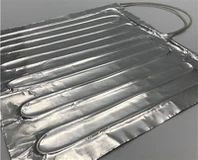
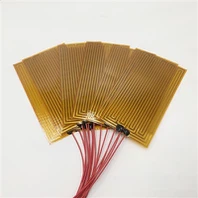
Mica heaters, known for their exceptional thermal conductivity, electrical insulation, and durability, have become indispensable components in numerous industries. Their unique design-combining layered mica sheets with embedded resistance wires-enables rapid heat generation, precise temperature control, and compact integration. Below, we explore the diverse applications of mica heaters and how they drive efficiency in modern technology.
1. Industrial Manufacturing & Process Heating
Mica heaters excel in industrial settings requiring localized or distributed heating. Common uses include:
Plastic Processing: Integrated into injection molding machines, extruders, and film-blowing equipment to maintain consistent material viscosity.
Packaging Systems: Activating adhesives in labeling machines or sealing units for cartons and containers.
Printing & Textile Machinery: Ensuring uniform drying of inks, coatings, or dyes on substrates.
Semiconductor Production: Providing contamination-free heating for delicate processes like wafer baking or chemical vapor deposition.

2. Household Appliances
Compact and energy-efficient, mica heaters are ideal for consumer products:
Clothing Care: Powering steam irons, garment steamers, and dryers with quick heat-up times.
Kitchen Appliances: Used in toasters, bread makers, and coffee machines for precise temperature management.
Space Heating: Embedded in portable heaters, wall panels, or under-desk units for silent, even warmth.

3. Automotive & Transportation
Mica heaters enhance comfort and safety in vehicles:
EV Battery Systems: Maintaining optimal temperatures for lithium-ion batteries in electric cars.
Passenger Comfort: Integrated into heated seats, steering wheels, and defrosting systems for windows/mirrors.
Fluid Management: Preventing fuel line freeze-ups in cold climates or warming diesel exhaust fluid (DEF) in emission control systems.

4. Medical & Laboratory Equipment
Their sterile, low-emission properties make mica heaters suitable for sensitive environments:
Diagnostic Devices: Regulating temperatures in blood analyzers, incubators, or imaging systems.
Therapeutic Tools: Enabling heat therapy pads, sterilizers, or respiratory equipment.
Research Instruments: Ensuring stable conditions in environmental chambers or sample preparation units.

5. Renewable Energy & Green Tech
Mica heaters support sustainable innovations:
Solar Panel Production: Aiding in the lamination process of photovoltaic cells.
Heat Pumps: Assisting defrost cycles in air-source systems to maintain efficiency.
Hydrogen Systems: Preheating fuel cells or storage tanks to optimize performance.

6. Aerospace & Defense
In extreme conditions, mica heaters deliver reliability:
Avionics Temperature Control: Protecting onboard electronics from freezing at high altitudes.
De-Icing Systems: Preventing ice buildup on drone sensors or aircraft components.
Military Gear: Lightweight heating solutions for field equipment or cold-weather clothing.

Key Advantages Driving Adoption
Rapid Response: Achieve target temperatures in seconds due to low thermal mass.
Energy Efficiency: Direct heat transfer minimizes wasted energy.
Customizability: Flexible shapes and wattages adapt to space-constrained designs.
Longevity: Resistant to oxidation, moisture, and thermal cycling stress.
From everyday conveniences to cutting-edge technologies, mica heaters continue to evolve as a backbone of thermal management. As industries prioritize energy conservation and smart automation, their role in enabling precise, reliable heating solutions will only expand.