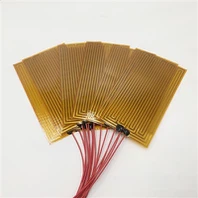
What temperature ranges can silicone rubber heaters achieve, and how precise is their temperature control?
Silicone rubber heaters are versatile and can achieve a wide range of temperatures depending on their design and application. The achievable temperature range and precision of temperature control can vary based on factors such as the construction of the heater, the type of silicone rubber used, and the heating element embedded within. However, here are some general guidelines:
- Temperature Range:
- Low Temperatures: Silicone rubber heaters can be designed to maintain temperatures as low as -60°C (-76°F) or even lower in some cases. These heaters are often used in applications where low-temperature heating is required, such as freeze protection.
- Moderate Temperatures: Most silicone rubber heaters can operate in a range of -60°C to 200°C (-76°F to 392°F) without any issues. This covers a wide range of industrial and commercial heating needs.
- High Temperatures: Specialized silicone rubber heaters with advanced materials and construction can achieve temperatures exceeding 200°C (392°F) and may go up to 300°C (572°F) or higher in some cases.
Temperature Control Precision:
- The precision of temperature control in silicone rubber heaters depends on the design of the heating element and the associated control system. Most silicone rubber heaters can provide reasonably precise temperature control within a range of ±1°C to ±5°C (±1.8°F to ±9°F).
- For applications that require very tight temperature control, additional temperature sensors and control systems can be incorporated to achieve higher precision, often within ±0.5°C (±0.9°F) or even tighter.