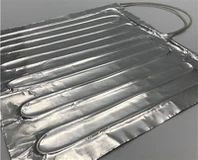
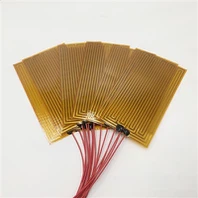
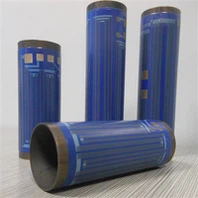
The fundamental difference lies in the heating element structure and encapsulation process:


Standard Silicone Heating Belts:
Use straight resistance wires laid in parallel/serpentine patterns
Manufacturing involves simple laying and encapsulation through compression molding
Silicone rubber encapsulates the external surface of straight wires
Efficient process but limited flexibility
Silicone Spiral Heating Belts:
Feature pre-wound spring-like coiled resistance wires
Require specialized coil winding as preliminary step
Critical encapsulation must ensure silicone fully penetrates and fills all internal voids of the spiral coils
More complex process but delivers superior flexibility and durability
In summary, the standard belt process focuses on laying and encapsulating straight wires, while the spiral belt process requires the additional complexity of first creating a flexible coil and then ensuring its complete encapsulation. This fundamental difference makes the spiral belt more expensive to produce but grants it superior flexibility, resistance to metal fatigue from repeated bending, and a longer lifespan in dynamic applications, justifying its use over the simpler, more rigid standard belt where durability is key.