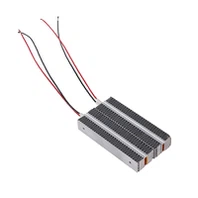
PTC (Positive Temperature Coefficient) ceramic heaters are highly suitable for forced-air applications due to their unique self-regulating properties, efficiency, and safety features. Here's why they are ideal:

1. Self-Regulating Temperature
PTC ceramics increase resistance as temperature rises, reducing power consumption when the desired heat level is reached.
This prevents overheating, eliminating the need for external thermostats in many cases.
2. Energy Efficiency
Unlike traditional resistive heaters, PTC heaters draw less current as they warm up, reducing energy waste.
They maintain consistent warmth without excessive power cycling, improving efficiency in forced-air systems.
3. Fast Heating & Uniform Airflow
PTC elements heat up quickly, providing rapid warm air output when paired with a fan.
Their design allows for even heat distribution, ensuring consistent airflow temperatures.
4. Enhanced Safety
No risk of overheating (unlike conventional coil heaters), reducing fire hazards.
Fail-safe operation even if airflow is blocked, as the PTC effect naturally limits temperature.
5. Compact & Durable Design
Ceramic elements are robust and resistant to oxidation, ensuring long-term reliability.
Their compact size allows for integration into space-constrained forced-air systems (e.g., HVAC, hair dryers, car heaters).
6. Low Maintenance
No moving parts or fragile filaments, reducing wear and tear.
Resistant to thermal shock and moisture, making them ideal for harsh environments.
Common Forced-Air Applications:
HVAC systems (electric heaters, portable heaters)
Automotive heating (defrosters, cabin heaters)
Industrial drying systems
Consumer appliances (hair dryers, fan heaters)
In summary, PTC ceramic heaters combine efficiency, safety, and reliability, making them a superior choice for forced-air heating solutions.