What is the principle of the electric heating plate of the rice cooker?
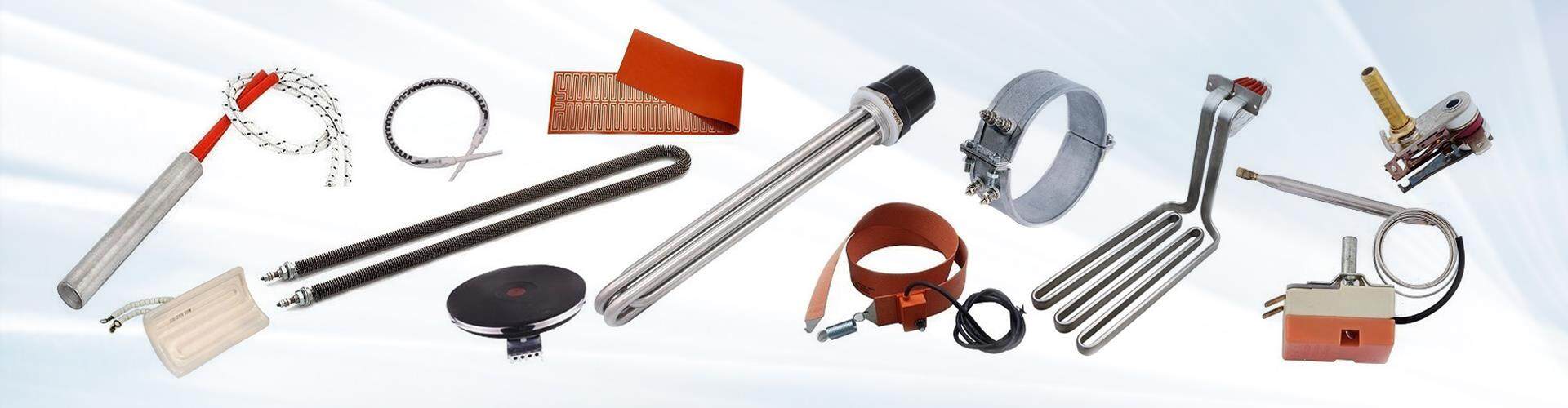
1. Heating plate: This is the main heating element of the rice cooker. This is an aluminum alloy disc with an electric heating tube embedded, and the inner pot is placed on it, and you can see it after removing the inner pot.
2. Temperature limiter: also called magnetic steel. It is equipped with a permanent magnetic ring and a spring, which can be pressed, and the position is in the center of the heating plate. When cooking rice, when the rice cooking switch is pressed, the lever switch is driven by the suction force of the magnet to keep the power contacts on.
3. Heat preservation switch: also known as thermostat. It is composed of a spring leaf, a pair of normally closed contacts, a pair of normally open contacts, and a bimetallic sheet. When the rice is cooked, the temperature in the pot rises. As the thermal expansion and contraction rates of the two metal sheets forming the bimetallic sheet are different, the bimetallic sheet is bent upward as a result.

4. Lever switch: The switch is completely mechanical and has a normally open contact. When cooking rice, press this switch to power on the heating tube and at the same time power the heating indicator light to light it. When the meal is ready, the temperature limiter pops down and drives the lever switch to disconnect the contacts. After that, the heating tube is only controlled by the heat preservation switch.
5. Current-limiting resistor: The appearance is more golden or white, and the size is like a 3W resistor. It is pressed between the heating tube and the power supply to protect the heating tube. The commonly used current limiting resistor is 185C 5A or 10A (depending on the power of the rice cooker). The current-limiting resistor is a key element to protect the heating tube, and it can be replaced by a wire.