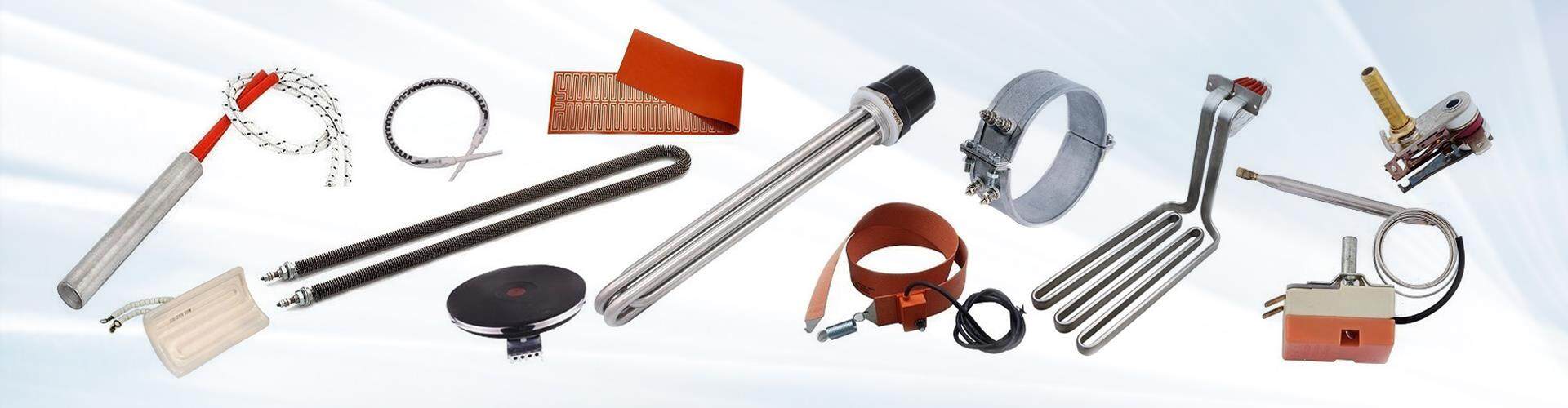
Mechanical thermostat is a type of thermostat that use mechanical components to control temperature. They have been widely used for many years but have become less common in recent times due to the popularity of digital and electronic thermostats. Mechanical thermostats rely on the physical expansion or contraction of materials in response to temperature changes to open or close electrical contacts, which, in turn, control the heating or cooling system.
Here are the main types of mechanical thermostats:
1. Bimetallic Thermostats: Bimetallic thermostats are among the most common types of mechanical thermostats. They consist of two different metals bonded together in a strip. These metals expand and contract at different rates when exposed to temperature changes. As the temperature rises or falls, the bimetallic strip bends, causing it to either make or break electrical contacts, which control the heating or cooling system. Bimetallic thermostats are often used in older heating systems and are relatively simple in their operation.

2. Gas-Filled Capillary Tube Thermostats: These thermostats use a gas-filled capillary tube and a diaphragm to control temperature. When the temperature changes, the gas expands or contracts, causing the diaphragm to move. This movement, in turn, operates a valve or switch that controls the flow of gas or liquid to the heating or cooling system.

3. Wax Pellet Thermostats: Wax pellet thermostats use a wax-filled element that expands or contracts with temperature changes. The wax's expansion or contraction is used to control a valve or switch, which regulates the flow of a heating or cooling medium in the system. Wax pellet thermostats are often used in automotive cooling systems and older HVAC systems.
4. Mercury Thermostats: Mercury thermostats use a sealed glass vial containing mercury. As the temperature changes, the mercury level in the vial also changes, causing it to tip and make or break electrical contacts. However, mercury thermostats have become less common due to environmental concerns related to the disposal of mercury.
5. Bellows Thermostats: Bellows thermostats use a bellows-like component that expands and contracts with temperature changes. This movement is used to operate a valve or switch that controls the heating or cooling system.
Mechanical thermostats are relatively simple and reliable but may lack the precision and features found in modern digital and electronic thermostats. Digital thermostats, including programmable and smart thermostats, offer more accurate temperature control, scheduling capabilities, and energy-saving features. Nonetheless, mechanical thermostats are still found in some older heating and cooling systems, especially in situations where simplicity and cost-effectiveness are prioritized.