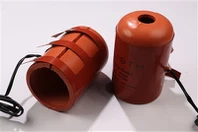
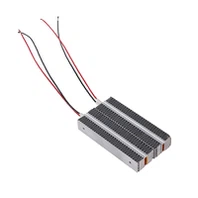
Finned heaters, commonly used for their efficiency in providing controlled heat in various settings, play a significant role in indoor environments. As businesses and homeowners strive to maintain a comfortable indoor climate, it is crucial to assess the impact of finned heaters on indoor air quality (IAQ). In this article, we explore how finned heaters influence IAQ and discuss measures to ensure a healthy and conducive indoor environment.
1. Introduction to Finned Heaters:
Finned heaters are heating elements designed with extended surfaces, or fins, to enhance heat transfer efficiency. They find applications in both industrial and residential settings, contributing to precise temperature control and rapid heating response. Understanding their impact on indoor air quality is essential for creating a balanced indoor environment.
2. Potential Impact on IAQ:
While finned heaters themselves do not inherently release pollutants into the air, their operation can indirectly influence indoor air quality. Factors to consider include:
- Dust and Particles: Finned heaters can attract and accumulate dust and particles over time. As the heating element warms up, these accumulated contaminants may be released into the air, affecting IAQ.
- Dry Air Concerns: The heating process tends to reduce humidity levels in the air, potentially leading to dry indoor conditions. Low humidity levels may contribute to discomfort, respiratory issues, and increased susceptibility to airborne viruses.
3. Measures to Maintain Healthy IAQ with Finned Heaters:
To mitigate the potential impact on IAQ associated with finned heaters, consider implementing the following measures:
- Regular Maintenance: Periodic cleaning and maintenance of finned heaters can prevent the accumulation of dust and debris. Keeping the heating element clean ensures efficient operation and reduces the likelihood of releasing contaminants into the air.
- Humidity Control: Since finned heaters can contribute to lower humidity levels, it is advisable to use humidifiers to maintain an optimal indoor humidity range (usually between 30-50%). This helps prevent dry air issues and supports respiratory health.
- Air Filtration Systems: Incorporating air filtration systems, such as high-efficiency particulate air (HEPA) filters, can help capture airborne particles and improve overall IAQ. These systems work in conjunction with finned heaters to provide clean, filtered air.
- Proper Ventilation: Ensure proper ventilation in the indoor space to facilitate the exchange of indoor and outdoor air. Adequate ventilation helps remove stale air and pollutants, promoting a healthier indoor environment.
- Consideration of Heater Placement: Strategically placing finned heaters away from high-traffic areas and taking into account airflow patterns can minimize the dispersal of dust and particles into the air.
4. Choosing Energy-Efficient Finned Heaters:
Opting for energy-efficient finned heaters can also positively impact IAQ. Modern heaters with advanced controls and features can operate more efficiently, minimizing the potential for unnecessary energy consumption and associated indoor air quality issues.
5. Conclusion:
Finned heaters are valuable tools for maintaining indoor comfort, but it's essential to be mindful of their potential impact on indoor air quality. By incorporating proper maintenance practices, humidity control measures, air filtration systems, and thoughtful heater placement, the negative effects can be mitigated. Striking a balance between effective heating and maintaining a healthy indoor environment is key to reaping the benefits of finned heaters without compromising indoor air quality. Regular attention to these factors ensures that finned heaters contribute positively to the overall well-being of indoor occupants.
Know More about Finned Heaters