PTC Heater vs. Mica Heater for Air Heating: What Is the Difference?
Both PTC heaters and mica heaters can be used for forced-air heating applications. They can be found in equipment such as hair dryers, air heaters, hand dryers, dehumidifiers, ventilation equipment, and other appliances that need to heat moving air.
Although both technologies convert electrical energy into heat, their structures and heating characteristics are different.
A PTC air heater generally uses PTC ceramic heating elements combined with aluminum fins, while a mica air heater usually consists of resistance wire supported or insulated by mica sheets.
So, which technology is suitable for a particular air-heating application? The answer depends on the required temperature, power, airflow, size, control method, and cost.
How Do PTC and Mica Air Heaters Work?
PTC Air Heater
A PTC heater uses a positive temperature coefficient ceramic material as the heating element.
When electricity passes through the PTC ceramic, it generates heat. As the temperature increases, the resistance of the PTC material also increases, which reduces the electrical power supplied to the element.
For forced-air applications, the PTC element is often combined with aluminum fins. Air passes through the fins and carries the heat away from the heating element.
Basic structure:
PTC ceramic → aluminum fins → airflow → warm air

Mica Air Heater
A mica air heater normally uses a resistance wire, such as NiCr wire, supported by mica insulation.
When electricity passes through the resistance wire, the wire heats up. Air moving across the heating element absorbs the heat and becomes warmer.
Basic structure:
Resistance wire → mica insulation/support → airflow → warm air
Unlike PTC material, the resistance of a conventional resistance wire does not increase in the same self-regulating way as a PTC element.
PTC vs. Mica Heater for Air Heating
| Feature | PTC Air Heater | Mica Air Heater |
|---|---|---|
| Heating element | PTC ceramic | Resistance wire |
| Typical structure | PTC + aluminum fins | Resistance wire + mica |
| Temperature characteristic | Positive temperature coefficient | Relatively stable resistance |
| Air heating | Excellent | Excellent |
| Heat transfer structure | Usually finned | Wire exposed to airflow |
| Self-regulating characteristic | Yes | No |
| Temperature control | Can reduce power as temperature rises | Usually needs external control/protection |
| Response | Fast | Fast |
| Design flexibility | High | High |
| High-temperature applications | Depends on PTC material/design | Often suitable for higher-temperature applications |
| Cost | Generally higher | Often more economical |
| Suitable applications | Compact air heating, household appliances | Air heaters, dryers, ovens, industrial equipment |
1. Temperature Control
This is one of the biggest differences between the two technologies.
A PTC heater has a positive temperature coefficient. As the temperature rises, its electrical resistance increases, which naturally reduces the heating power.
This characteristic can help the PTC heater respond to temperature changes.
A mica heater normally uses a resistance wire with a relatively stable resistance. If the application requires precise temperature control, an external thermostat, temperature sensor, or control system may therefore be needed.
For appliances where temperature stability and simplified thermal management are important, PTC technology can be an attractive option.
2. Heat Transfer to Air
Both technologies can be designed for forced-air heating, but their heat-transfer structures are different.
A PTC air heater commonly uses aluminum fins. The fins provide a relatively large heat-transfer surface, allowing moving air to absorb heat as it passes through the heater.
A mica heater typically relies more directly on the resistance wire to transfer heat to the surrounding air.
For this reason, the geometry of the PTC fins becomes an important design parameter.
The fin spacing, fin height, number of fins, airflow rate, and heater dimensions all influence the final heating performance.
3. Temperature and Power Characteristics
A conventional mica resistance heater can provide a relatively direct and predictable relationship between electrical resistance and heating power.
This can be useful when the appliance has an established temperature-control system.
PTC heaters behave differently. Their resistance changes significantly with temperature, so the heating power also changes during operation.
This makes PTC heaters particularly interesting for applications where the heating element needs to respond to its own temperature.
However, the actual power and temperature characteristics depend on the specific PTC material and heater design.
4. Which One Is More Suitable for Compact Appliances?
For compact air-heating appliances, PTC heaters can be attractive because the PTC ceramic and aluminum fin structure can be assembled into a relatively compact module.
This makes them suitable for applications such as:
- Hair dryers
- Hand dryers
- Dehumidifiers
- Small air heaters
- Air-conditioning equipment
- Compact drying equipment
Mica heaters can also be designed in compact configurations and are widely used where a simple resistance-wire heating structure is preferred.
Therefore, installation space alone should not determine the choice. The airflow, power, temperature, and control system should be considered together.
5. Which One Is Better for High-Temperature Air Heating?
This depends heavily on the specific heater design.
Mica heating elements can be designed with different resistance wires and insulation structures for relatively high-temperature applications.
PTC heaters also have different material grades and temperature characteristics, but their operating temperature range is generally more dependent on the specific PTC ceramic formulation.
If the application requires a particularly high air temperature, the heater manufacturer should evaluate the required working temperature, surface temperature, airflow, insulation, and continuous operating time before selecting the technology.
Which Heater Should You Choose?
Rather than asking whether PTC or mica is universally better, it is more useful to look at the application requirements.
PTC may be suitable when you need:
- A compact air-heating module
- Positive temperature coefficient characteristics
- A finned heat-transfer structure
- Stable heating under changing conditions
- Integration into compact household appliances
- Customized PTC heating assemblies
Mica may be suitable when you need:
- A conventional resistance-wire heater
- A simple heating structure
- Flexible resistance-wire configurations
- Cost-conscious heating solutions
- Higher-temperature heating designs
- Integration with an existing temperature-control system
Need a heating solution for your application?
Contact Jaye Heater to customize the right PTC or mica heater for your specific requirements.

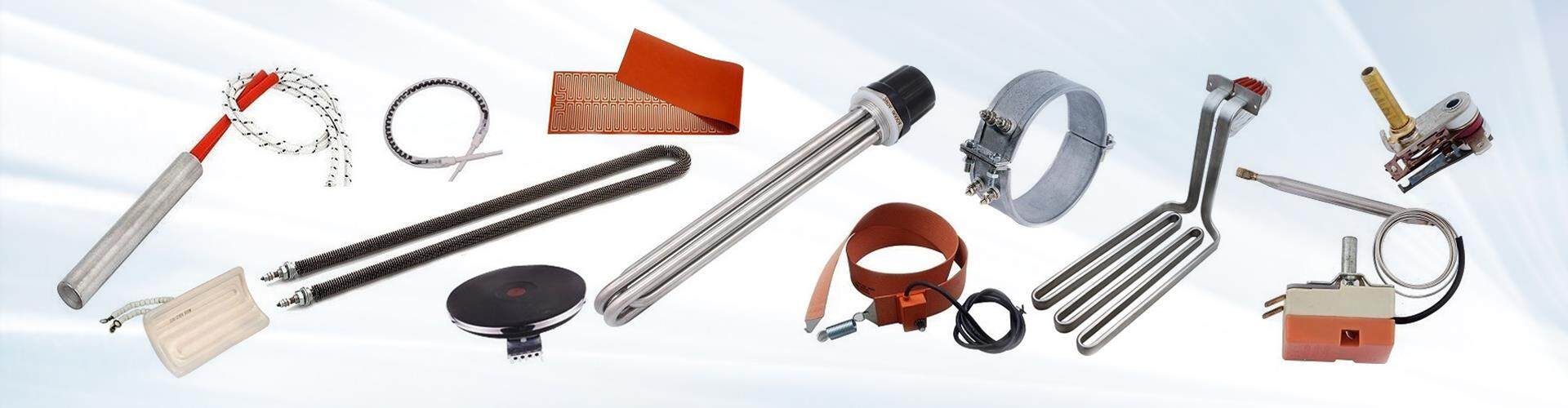
One-stop Heating Elements Solution
Your one-stop partner for all electric heating needs. JAYE delivers fully customized, high-quality elements and controls with massive capacity and full international certifications.