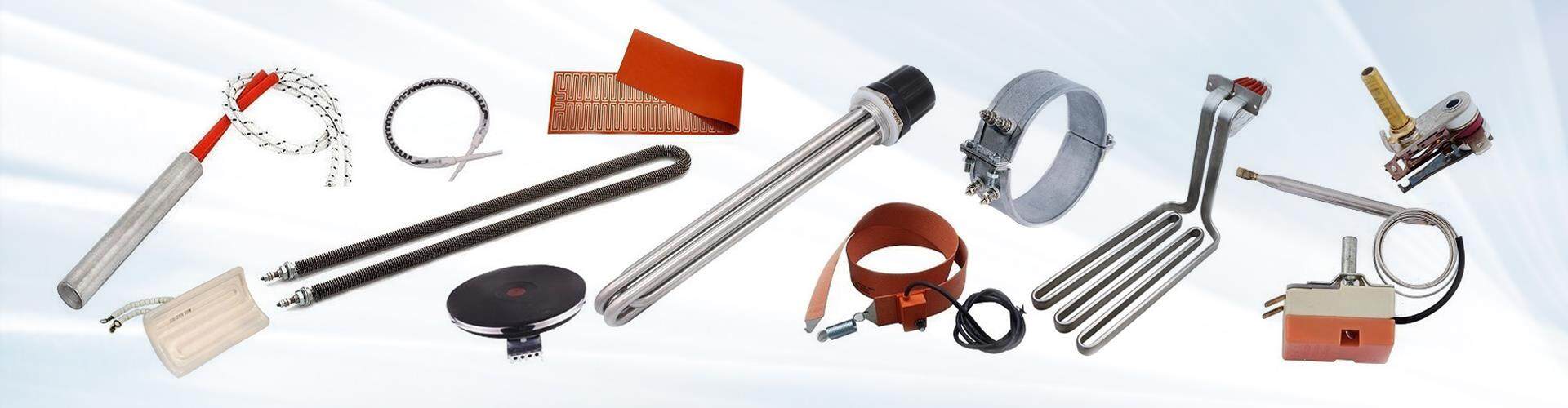
What happens when an silicone rubber heater is heated?
When a silicone rubber heater is heated, several things happen:
- Expansion: The silicone rubber material expands slightly as it heats up, which can cause the heater to grow in size. This is a natural property of most materials when heated, and it is important to take this into account when designing and installing silicone rubber heaters.
- Resistance Change: The resistance of the heating element within the silicone rubber heater changes as it heats up, causing the electrical resistance to increase. This change in resistance is what causes the heater to produce heat.
- Heat Transfer: The silicone rubber material itself is a good thermal insulator, meaning that it does not conduct heat well. This makes silicone rubber heaters effective at transferring heat to a specific location without losing too much heat to the surrounding environment.
- Temperature Control: Many silicone rubber heaters are designed with built-in thermostats or temperature sensors to ensure that the temperature remains within a certain range. This helps prevent overheating or damage to the heater or the object being heated.
Overall, when a silicone rubber heater is heated, it produces heat that can be used for a variety of applications, such as warming liquids, heating surfaces, or providing warmth in cold environments.