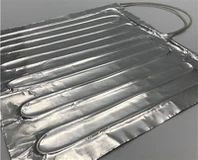
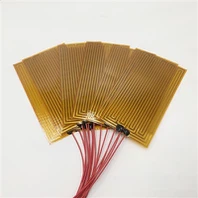
Maintaining X-shape heaters in power transformer heating systems is crucial to ensure they operate efficiently and reliably over time. Power transformers require precise temperature control to avoid overheating and to maintain optimal performance. Here's a list of key maintenance requirements for X-shape heaters used in such systems:

1. Regular Inspection of Heater Surface
Visual Inspections: Periodically check the X-shape heater for any visible signs of wear, cracks, discoloration, or corrosion. These could indicate overheating or damage to the heater, which may affect its performance.
Cleanliness: Ensure the surface is clean and free of dust, dirt, or oil. Contaminants can affect the heater's efficiency by insulating the surface and reducing heat transfer.
2. Check for Proper Connection
Electrical Connections: Ensure all electrical connections to the heater are secure and free of corrosion. Loose or corroded connections can lead to uneven heating, inefficient performance, or potential hazards.
Cable Inspection: Inspect the cables for any signs of damage or wear (such as cracking or fraying). Damaged cables should be replaced promptly to prevent electrical faults.
3. Thermostat and Control System Calibration
Thermostat Calibration: Ensure that the thermostat and temperature control systems are functioning correctly. These components are vital for maintaining the correct operating temperature. Check the accuracy of the temperature reading regularly and recalibrate if necessary.
Control System Check: Inspect the temperature control system to ensure that it responds correctly to changes in the environment and maintains the desired temperature range.
4. Electrical Testing
Continuity Testing: Perform continuity tests on the heater's electrical circuits to ensure there are no open circuits or short circuits. This is important for confirming that the heater is heating uniformly and consistently.
Insulation Resistance Test: Regularly test the insulation resistance between the heating element and the ground. Low insulation resistance could indicate deterioration of the insulation material, increasing the risk of electrical shock or failure.
5. Monitor Heating Performance
Temperature Consistency: Monitor the heater's ability to maintain a consistent temperature. Fluctuations could indicate issues with the heater or thermostat that need attention.
Response to Load Changes: Observe how the heater responds when there is a change in load or external conditions. A well-maintained heater should quickly adapt to these changes.
6. Heat Distribution Check
Even Heating: Ensure that the heater is distributing heat evenly across the surface. Uneven heating could result in transformer overheating, reduced efficiency, or potential damage.
Infrared Thermography: For more advanced maintenance, infrared thermography can be used to identify hot spots or areas where the heater is not functioning properly. This tool can detect temperature anomalies without needing to disassemble the system.
7. Ensure Proper Ventilation
Airflow: X-shape heaters work most efficiently when there is adequate ventilation around them. Check that there is no obstruction of airflow around the heater, as poor ventilation can lead to overheating and reduced lifespan.
Cooling Systems: If the transformer system uses cooling fans or other cooling mechanisms, make sure they are functioning well to prevent overheating of the heater and transformer.
8. Regular Testing of Transformer and Heater Together
Performance Tests: Periodically test the performance of the heating system in combination with the transformer. This ensures that the heater is effectively maintaining the transformer's operating temperature and not negatively affecting its performance.
Load Testing: During maintenance shutdowns, conduct load testing on the transformer heating system to ensure that the X-shape heater is handling the expected electrical load without issues.
9. Replace Worn or Damaged Heaters
Monitor Lifespan: Over time, heaters will degrade, and their performance will diminish. Keep track of the heater's age and any signs of deterioration. When performance starts to drop significantly, it may be time to replace the heater to prevent transformer failure.
10. Follow Manufacturer Guidelines
Manufacturer Recommendations: Always follow the maintenance and operational guidelines provided by the heater manufacturer. They will have specific advice regarding cleaning, inspection intervals, and replacement schedules.
By adhering to these maintenance requirements, X-shape heaters in power transformer heating systems can function optimally, providing reliable and efficient heating while reducing the risk of malfunctions or costly repairs.