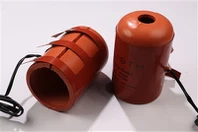
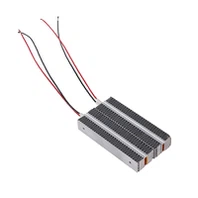
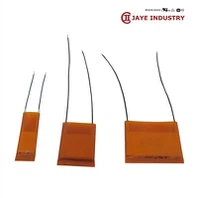
Designing a system using Mica heating elements requires careful consideration of several key factors to ensure safe and efficient operation. Here are the essential aspects to keep in mind:
1. Power Requirements: Determine the power rating needed for your specific application. This depends on the size of the space or object you need to heat and the desired temperature rise.
2. Voltage and Current: Ensure that the voltage and current ratings of the Mica heating element match the power supply specifications of your system. Proper matching prevents overheating and ensures safety.
3. Temperature Range: Consider the required operating temperature range of the Mica heating element. Mica heaters are suitable for high-temperature applications, but you need to ensure they can handle the specific temperature range your system demands.
4. Physical Size and Shape: Choose Mica heating elements that fit the available space in your system. Consider the dimensions, shape, and flexibility of the elements to ensure they can be installed properly.
5. Heating Profile: Determine whether you need uniform heating across a surface or targeted heating in specific areas. The design of the Mica heating element (such as its pattern and watt density) affects the heating profile.
6. Insulation and Encapsulation: Mica heating elements are usually insulated to prevent electrical shock and improve efficiency. Consider the type and quality of insulation used, as well as the overall encapsulation, to ensure safety and longevity.
7. Thermal Cycling: If your system requires frequent heating and cooling cycles, choose Mica heating elements that can withstand thermal cycling without degradation. Rapid temperature changes can cause mechanical stress, so the elements should be designed to handle such conditions.
8. Environmental Factors: Consider the operating environment, including factors like humidity, chemicals, and vibrations. Choose Mica heating elements that are resistant to environmental stresses to ensure long-term reliability.
9. Control and Regulation: Determine the control mechanism for the heating system. You might need temperature sensors, thermostats, or other control devices to regulate the heat output effectively and maintain the desired temperature.
10. Safety Features: Incorporate safety features such as overheat protection, short-circuit protection, and ground fault protection to prevent accidents and damage to the system.
11. Installation and Maintenance: Consider the ease of installation and maintenance of the Mica heating elements. Elements that are easy to install and maintain can save time and effort during the system's lifecycle.
12. Cost: Finally, consider the overall cost of the Mica heating elements and balance it with the required performance and reliability. Compare different suppliers and models to find the best balance between quality and cost.
By carefully evaluating these factors, you can design a heating system that effectively utilizes Mica heating elements while ensuring safety, efficiency, and reliability.