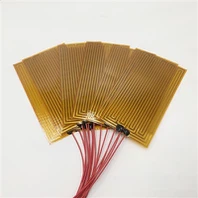
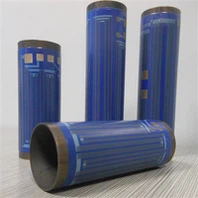
The environmental implications of using thick film heaters involve various factors, including materials, energy consumption during production, recyclability, and overall sustainability efforts. Here's a breakdown of the environmental aspects associated with thick film heaters:
1. Materials:
Recyclability: Ceramic substrates, a common material for thick film heaters, are generally recyclable. However, the conductive inks and protective coatings used might contain metals or chemicals that can complicate the recycling process. Proper disposal and recycling procedures are crucial to minimizing environmental impact.
Resource Intensity: The mining and processing of raw materials for thick film heaters can have environmental impacts. Manufacturers may opt for sustainable sourcing practices to mitigate these effects.
2. Energy Consumption:
Production: The manufacturing process of thick film heaters involves energy-intensive steps, such as ink formulation, printing, and firing. Energy-efficient production methods and the use of renewable energy sources can significantly reduce the carbon footprint.
Usage:Thick film heaters are generally energy-efficient in their operation, as they can heat up quickly and provide localized heating, reducing overall energy consumption in comparison to traditional heating systems.
3. Recyclability and Disposal:
Electronic Waste: When thick film heaters are part of electronic devices, proper disposal methods are essential to prevent them from ending up in landfills. Recycling programs and regulations need to be in place to handle electronic waste responsibly.
Component Separation:The complex structure of electronic devices makes it challenging to separate and recycle individual components like thick film heaters. Advancements in recycling technologies are crucial to addressing this challenge.
4. Sustainability Efforts:
Green Initiatives: Manufacturers can adopt sustainable practices, such as using eco-friendly materials, optimizing production processes, and investing in renewable energy sources. These efforts contribute to reducing the environmental impact of thick film heater production.
Product Lifecycle Analysis: Conducting lifecycle assessments helps identify areas where improvements can be made, guiding manufacturers to design more sustainable products and processes.
5. Regulations and Standards:
Compliance: Adherence to environmental regulations and standards ensures that the production and disposal of thick film heaters meet specific environmental criteria, promoting responsible practices within the industry.
6. Research and Development:
Innovation: Research into environmentally friendly materials and production techniques can lead to the development of greener alternatives for thick film heaters, enhancing their overall sustainability.
In summary, while thick film heaters offer energy-efficient heating solutions, their environmental impact depends on factors such as materials used, energy consumption during production, and recycling practices. To minimize the environmental implications, manufacturers need to focus on sustainable material choices, energy-efficient production methods, proper disposal and recycling processes, and continuous research into greener alternatives. Additionally, consumer awareness and responsible e-waste management play crucial roles in ensuring the sustainable use and disposal of devices containing thick film heaters.