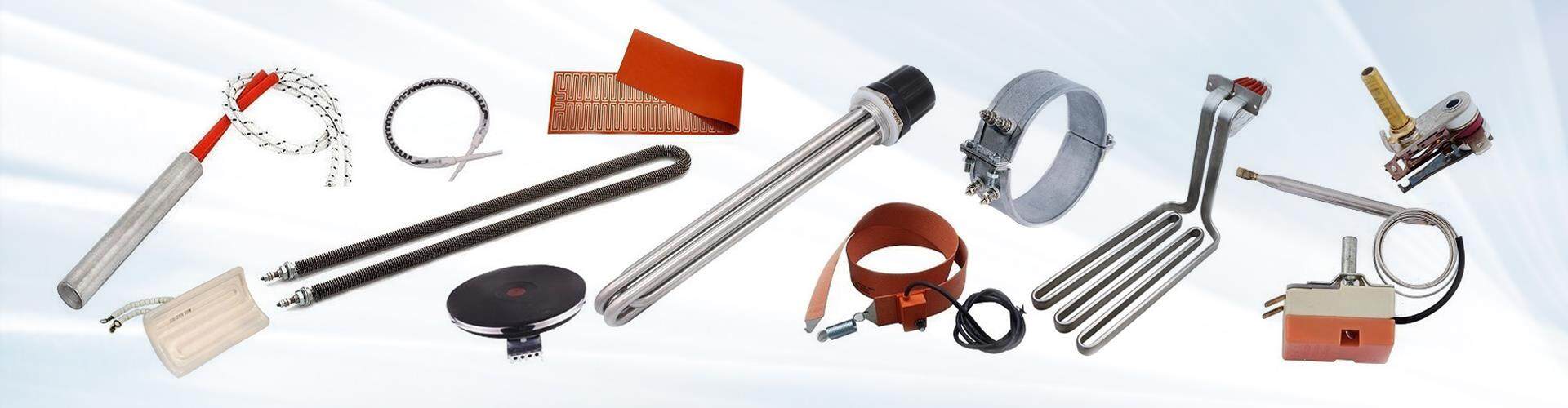
What are cartridge heaters made of?
Cartridge heaters are made from a combination of materials that allow for efficient heat generation, safe operation, and durability in high-temperature environments. Here are the key components and materials used in the construction of cartridge heaters:
1. Heating Element
Nickel-Chromium (NiCr) Wire: The heating element inside a cartridge heater is typically made from nickel-chromium (NiCr) alloy, which is known for its excellent resistance to oxidation and high-temperature stability. This wire is wound into coils and placed inside the sheath, where it generates heat when an electrical current passes through it.
Other Alloys: In some cases, iron-chromium-aluminum (FeCrAl) alloys may also be used, as they offer similar resistance properties and can withstand higher temperatures.
2. Sheath (Outer Covering)
Stainless Steel: The most common material for the outer sheath of a cartridge heater is stainless steel (usually 304 or 316 grade). Stainless steel is chosen for its strength, durability, and resistance to corrosion, making it suitable for high-temperature environments and contact with chemicals or moisture.
Incoloy (Alloy): For high-performance applications requiring better resistance to extreme temperatures and corrosion, some cartridge heaters use Incoloy (a high-temperature nickel-chromium alloy) as the sheath material.
Other Materials: In some specialized applications, materials like titanium or copper may be used for the sheath, depending on specific requirements (e.g., in food-grade or high-conductivity applications).
3. Insulation
Magnesium Oxide (MgO): Inside the heater, between the heating element and the sheath, the space is filled with magnesium oxide (MgO) powder. MgO serves as the insulating material, providing excellent thermal conductivity and electrical insulation. This allows the heat to transfer efficiently from the heating element to the surrounding material while keeping the electrical elements safe from short circuits.
Ceramic Insulation: In some cases, ceramic materials may be used for insulation instead of magnesium oxide, particularly in very high-temperature or corrosive environments.
4. Lead Wires and Terminals
High-Temperature Leads: The power leads that connect the heating element to the external power supply are typically made from high-temperature wires, such as those with silicone rubber or fiberglass insulation, which can withstand high heat without degrading.
Connectors/Terminals: At the end of the leads, the heater may have terminals or connectors (e.g., screw terminals or quick-connect terminals) for connecting to the power supply or control system. These connectors are often made from durable materials like brass or stainless steel to ensure a reliable electrical connection.