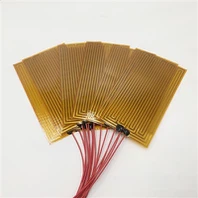
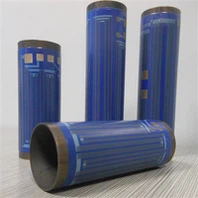
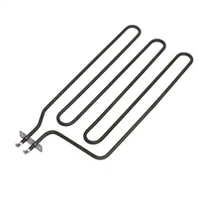
The radiant cooktop heating element is a foundational technology in modern kitchens, and its applications are centered around direct, responsive cooking using contact heat.
Core Principle: How It Works
A radiant element is an electric coil housed under a smooth glass-ceramic surface. When turned on, an electric current passes through the coil, causing it to heat up (incandesce) and emit infrared radiation. This thermal energy is then transferred directly to the cookware sitting on the glass surface above it, which in turn heats the food.

Primary Applications and Uses
Radiant cooktops are versatile and are suitable for nearly all standard stovetop cooking tasks. Their applications include:
1. General Stovetop Cooking
This is the most common use. The responsive nature of the heating coil makes it suitable for:
- Boiling: Bringing water to a boil for pasta, vegetables, or eggs.
- Simmering: Maintaining a low, gentle heat for sauces, soups, stews, and braises. Many modern radiant cooktops have excellent "simmer" settings.
- Sautéing and Pan-Frying: Heating a skillet or pan to cook meats, vegetables, and other ingredients with oil or butter.
- Steaming: Heating water in a pot with a steamer basket to cook vegetables, dumplings, and fish.

2. Precise Temperature Control Tasks
While not as instantaneous as induction, modern radiant elements with good thermostats can handle tasks requiring careful heat management:
- Melting: Gently melting chocolate, butter, or cheese without burning.
- Preparing Sauces: Making delicate sauces like hollandaise or béchamel that require consistent, low heat.
- Candy Making: Using a heavy-bottomed pot to make fudge, caramel, or toffee, where controlling the boil is critical.

3. Use with Specialized Cookware
Their flat surface is ideal for certain types of cooking gear:
- Griddles: A large, flat griddle can be placed across two elements to cook pancakes, bacon, eggs, or grilled sandwiches for a crowd.
- Woks (Flat-Bottomed): While a traditional round-bottomed wok is not ideal, a flat-bottomed wok can be used effectively for stir-frying.
- Tea Kettles and Percolators: Quickly heating water for tea or coffee.

4. Keeping Food Warm
The residual heat of the glass surface and the element's "warm" setting are perfect for:
- Keeping a side dish or a pot of gravy warm until the rest of the meal is ready.
- Melting butter or keeping melted chocolate at a workable consistency.

In summary, the radiant cooktop heating element is a versatile, all-purpose kitchen workhorse. Its applications cover virtually every standard cooking technique that requires a heated pot or pan, making it a reliable and cost-effective choice for most home kitchens. Its suitability is defined by its simplicity, compatibility, and ability to perform both high-heat and low-simmer tasks effectively.