In the realm of industrial and commercial heating solutions, silicone heaters have emerged as a versatile and reliable option, celebrated for their unique combination of flexibility, compact design, and adaptability to diverse environments.
Unlike traditional rigid heating elements, these thin, pliable devices have redefined how heat is delivered in scenarios where space is limited, shapes are irregular, or close contact with the target object is essential.
From industrial pipeline insulation to medical equipment temperature control, silicone heaters have become indispensable in countless applications.
This article delves into the fundamental nature of silicone heaters, exploring their structural composition, core characteristics, technical parameters, practical applications, and comparative advantages-providing a holistic understanding for engineers, procurement professionals, and anyone seeking to leverage this innovative heating technology.

1. What Are Silicone Heaters? Basic Definition and Core Function
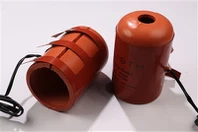
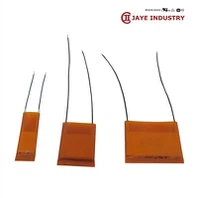
Silicone heaters, also known as silicone rubber heaters or flexible silicone heating pads, are thin, sheet-like heating elements designed to deliver uniform, efficient heat transfer through direct contact. At their core, they are engineered to address the limitations of conventional heating solutions-such as rigidity, poor conformability, and uneven heat distribution-by combining the thermal stability of silicone with the conductive properties of high-performance alloys.
The primary function of a silicone heater is to convert electrical energy into thermal energy through the Joule effect: when an electric current passes through the resistive heating element (nichrome wires), the resistance of the material generates heat, which is then rapidly transferred to the target surface via conduction. What sets silicone heaters apart is their ability to conform to curved, cylindrical, or irregularly shaped objects, ensuring maximum heat transfer efficiency and eliminating cold spots that often plague rigid heaters.
Unlike carbon-based heating elements, which may pose safety risks or degrade over time, silicone heaters rely on nichrome-an alloy of nickel and chromium-for their heating core, offering superior durability, temperature stability, and long-term reliability. This makes them suitable for both short-term and continuous-use applications, spanning industrial, medical, automotive, and consumer sectors.
2. Structural Composition: The Building Blocks of Silicone Heaters
To understand the performance and advantages of silicone heaters, it is critical to examine their layered structure, each component contributing to their overall functionality, flexibility, and safety. Below is a detailed breakdown of their key structural elements:
2.1 Heating Core: Precision-Arranged Nichrome Resistance Wires
The heart of a silicone heater is its heating element: precision-arranged nichrome resistance wires. Nichrome (typically composed of 80% nickel and 20% chromium) is chosen for its exceptional properties: high electrical resistance (enabling efficient heat generation), excellent High temperature resistance (withstanding continuous operating temperatures up to 1200°C in open air), and superior oxidation resistance-ensuring minimal degradation even after prolonged use.
The wires are strategically spaced and arranged in a uniform pattern (often serpentine or grid-like) to ensure even heat distribution across the entire surface of the heater.
This careful arrangement prevents hot spots and guarantees that the target object receives consistent thermal energy.
Unlike carbon-based heating elements, which can be brittle and prone to cracking, nichrome wires are flexible and resilient, allowing the heater to bend and conform without compromising performance.
2.2 Insulation and Structural Layers: Fiberglass Cloth + High-Temperature Silicone
The nichrome wires are sandwiched between two layers of fiberglass cloth, a material renowned for its high tensile strength, thermal stability, and electrical insulation properties. Fiberglass cloth acts as a structural backbone, reinforcing the heater and preventing the wires from shifting during use or installation. It also enhances the heater's resistance to mechanical stress, such as bending or stretching.
Encasing the fiberglass and nichrome assembly is high-temperature silicone rubber, which is bonded to the layers through a precision compression molding process. Silicone rubber is a critical component for several reasons: it provides superior electrical insulation (preventing short circuits), offers excellent resistance to moisture, chemicals, and UV radiation, and maintains its flexibility even at extreme temperatures (ranging from -60°C to 200°C for standard grades). The silicone also acts as a thermal conductor, facilitating efficient heat transfer from the nichrome wires to the outer surface of the heater.
The final product is a thin, flexible sheet-with a standard thickness of 1.5mm (though custom thicknesses are available)-that balances structural integrity with pliability. This layered design ensures that the heater is not only safe and durable but also capable of adapting to the unique contours of the object it is heating.
2.3 Additional Components (Optional)
Many silicone heaters can be customized with supplementary components to enhance functionality:
Adhesive Backing: A pressure-sensitive adhesive (PSA) layer on one side allows for easy, temporary or permanent attachment to the target surface, eliminating the need for mechanical fasteners and ensuring intimate contact.
Temperature Sensors: Integrated thermocouples or thermistors enable real-time temperature monitoring and feedback, supporting precise temperature control.
Overheat Protection: Built-in thermal fuses or cutoffs prevent the heater from exceeding safe operating temperatures, reducing the risk of damage or fire.
Lead Wires: High-temperature-resistant lead wires (often made of teflon or silicone-insulated copper) facilitate electrical connection, with customizable lengths and terminals to suit specific applications.
3. Core Features: Why Silicone Heaters Outperform Traditional Heating Solutions
Silicone heaters' popularity stems from a suite of unique characteristics that address the shortcomings of conventional heating elements (such as metal heaters, carbon-based pads, or ceramic heaters). Below is a detailed exploration of their key advantages:
3.1 Exceptional Flexibility and Conformability
One of the most defining features of silicone heaters is their superior flexibility. Unlike rigid metal heaters or brittle ceramic elements, silicone heaters can be bent, twisted, or wrapped tightly around curved surfaces, cylindrical objects, or irregularly shaped equipment-such as pipes, tanks, valves, or medical devices. This conformability ensures maximum surface contact between the heater and the target object, minimizing heat loss and maximizing transfer efficiency. For example, in industrial settings, a silicone heater can be wrapped directly around a chemical pipeline to maintain viscosity, or in medical applications, it can conform to the contour of a blood analyzer's sample tray for precise temperature control.
3.2 Thin, Lightweight, and Compact Design
Silicone heaters are typically just 1.0–2.0mm thick (with a standard thickness of 1.5mm) and weigh only a few grams per square centimeter. This ultra-thin, lightweight profile makes them ideal for applications where space is at a premium-such as in compact electronic devices, aerospace components, or portable medical equipment. Unlike bulky metal heaters that add weight and take up valuable space, silicone heaters can be integrated seamlessly into tight assemblies without compromising performance. Their compact design also allows for localized heating, targeting only the specific area that requires warmth, rather than wasting energy heating unnecessary space.
3.3 Uniform Heat Distribution and High Power Density
Thanks to their precision-arranged nichrome resistance wires and conductive silicone matrix, silicone heaters deliver exceptionally uniform heat distribution across their entire surface. This eliminates cold spots and ensures consistent temperature across the target object-a critical requirement in applications like food processing, medical diagnostics, or industrial manufacturing.
Additionally, silicone heaters offer a high power density, with standard models reaching up to 1.2W/cm² (and custom designs capable of higher densities with proper temperature control). This means they can generate significant heat even in a small footprint, enabling rapid heating and quick response times. For example, a silicone heater applied to a frozen pipe can thaw it quickly, or one integrated into a medical device can reach the required operating temperature in minutes.
3.4 Customizable Shapes and Sizes
Unlike traditional heaters that are limited to standard shapes (e.g., rectangular, cylindrical), silicone heaters can be custom-manufactured into virtually any shape to match the specific needs of the application. Whether it's a circular heater for a tank lid, a triangular pad for a specialized machine part, or an open-hole design to fit around bolts or sensors, manufacturers can tailor the heater's contour through precision cutting and wire arrangement. This flexibility eliminates the need for modifications to the target equipment and ensures a perfect fit, enhancing both performance and ease of installation. Even single-piece custom designs can be produced quickly through advanced manufacturing processes, making silicone heaters a cost-effective solution for unique or low-volume applications.
3.5 Safety and Durability
Silicone heaters are designed with safety as a top priority, thanks to their structural composition and material choices:
Electrical Insulation: The silicone rubber and fiberglass cloth layers provide excellent electrical insulation (with insulation resistance typically exceeding 100MΩ), preventing short circuits and reducing the risk of electric shock.
Non-Toxic and Stable: Unlike some carbon-based heaters that may release harmful fumes when overheated, silicone heaters are made from non-toxic, inert materials that are stable even at high temperatures.
Resistance to Harsh Environments: Silicone rubber is resistant to moisture, oils, chemicals, and UV radiation, making silicone heaters suitable for use in humid, corrosive, or outdoor environments (as long as they are not fully submerged-most models are splash-resistant but not waterproof unless specially sealed).
Long Service Life: Nichrome wires' oxidation resistance and silicone's durability ensure that silicone heaters have a long service life, often exceeding 10,000 hours of continuous use when operated within recommended parameters.
3.6 Easy Installation and Versatile Mounting
Silicone heaters are incredibly easy to install, with multiple mounting options to suit different applications:
Adhesive Mounting: Heaters with pressure-sensitive adhesive backing can be applied directly to clean, dry surfaces-no drilling, welding, or mechanical fasteners required. This saves time and reduces the risk of damage to the target equipment.
Mechanical Mounting: For applications where adhesive is not suitable (e.g., high temperatures, vibration), silicone heaters can be secured with clips, straps, or screws (often with pre-drilled holes for easy installation).
Wrap-Around Installation: Their flexibility allows them to be wrapped around pipes, hoses, or cylindrical objects, with the edges secured with tape or fasteners to ensure full contact.
4. Practical Applications: Where Silicone Heaters Excel
Silicone heaters' unique combination of flexibility, compactness, and durability makes them suitable for a wide range of industries and use cases. Below is a detailed breakdown of their most common applications, organized by sector:
4.1 Industrial and Manufacturing
Pipe and Tank Heating/Insulation: Silicone heaters are widely used to maintain the temperature of pipes, tanks, and vessels in chemical, petrochemical, food processing, and pharmaceutical industries. They prevent fluids (such as oils, chemicals, or viscous materials) from solidifying or thickening in cold environments, ensuring smooth operation. For example, in a chemical plant, a silicone heater wrapped around a solvent pipeline can maintain the solvent's viscosity, preventing clogs and ensuring consistent flow.
Equipment Freeze Protection: In cold climates or unheated facilities, silicone heaters protect industrial equipment (such as pumps, valves, and motors) from freezing damage. They provide low-power, continuous heat to keep components above the freezing point, avoiding costly repairs and downtime.
Mold Heating: In plastic injection molding, rubber processing, or 3D printing, silicone heaters are used to heat molds or build plates. Their flexibility allows them to conform to mold surfaces, delivering uniform heat that ensures consistent part quality. Unlike rigid heaters, they can adapt to complex mold shapes, reducing cycle times and improving production efficiency.
4.2 HVAC and Refrigeration
Compressor Auxiliary Heating: Air conditioning and refrigeration compressors often require auxiliary heating in cold weather to prevent oil thickening and ensure smooth startup. Silicone heaters are mounted on compressor housings to provide gentle, consistent heat, improving reliability and extending the compressor's service life.
Defrosting Systems: Silicone heaters are used in HVAC systems, refrigerators, and freezers to prevent frost buildup on coils or evaporators. Their thin profile and uniform heat distribution enable efficient defrosting without taking up valuable space or disrupting airflow.
4.3 Medical and Healthcare
Diagnostic Equipment: Medical devices such as blood analyzers, urine test machines, and reagent warmers require precise temperature control to ensure accurate results. Silicone heaters are integrated into sample trays, reagent bottles, or reaction chambers, delivering uniform heat within a narrow temperature range (often ±0.5°C). Their non-toxic, inert materials make them safe for use in medical settings, and their compact design fits within the tight spaces of portable or benchtop equipment.
Therapeutic Devices: Silicone heaters are used in medical wellness products such as therapeutic belts, muscle stimulators, and body contouring devices. Their flexibility allows them to conform to the body's curves, delivering gentle, uniform heat that promotes blood circulation and relieves muscle tension. Unlike bulky heating pads, silicone-based therapeutic devices are lightweight and discreet, making them suitable for home or clinical use.
Laboratory Equipment: In research labs, silicone heaters are used to heat test tubes, petri dishes, and incubators. Their customizable shapes and precise temperature control enable researchers to maintain optimal conditions for experiments, ensuring reproducible results.
4.4 Automotive and Transportation
Battery Heating: Electric vehicles (EVs) and hybrid vehicles require battery temperature management to maintain performance in cold weather. Silicone heaters are mounted on battery packs to warm cells before charging or driving, improving battery efficiency and extending range.
Defrosting and Deicing: Silicone heaters are used in automotive rearview mirrors, windshields, and door handles to melt ice and fog. Their thin profile and fast heating response ensure clear visibility and easy access in cold conditions.
Cabinet and Compartment Heating: In commercial vehicles (such as trucks, buses, or RVs), silicone heaters are used to heat storage compartments, passenger seats, or control panels, improving comfort and preventing equipment damage from cold.
4.5 Consumer Electronics and Appliances
Portable Devices: Silicone heaters are integrated into portable electronics such as laptop batteries (to prevent cold-related performance loss), heated gloves, and hand warmers. Their low power consumption and compact design make them ideal for battery-powered devices.
Home Appliances: They are used in small home appliances such as coffee makers (to keep coffee warm), food warmers, and humidifiers (to prevent water condensation). Their flexibility allows them to fit into the tight spaces of appliance designs, and their uniform heat distribution ensures consistent performance.
5. Future Trends in Silicone Heater Technology
As industries continue to demand more efficient, compact, and intelligent heating solutions, silicone heater technology is evolving to meet these needs. Below are key trends shaping the future of silicone heaters:
5.1 Smart Temperature Control
Integration with IoT (Internet of Things) technology is becoming increasingly common, with silicone heaters featuring built-in temperature sensors, wireless connectivity, and remote control capabilities. This allows users to monitor and adjust temperatures in real time, optimize energy consumption, and receive alerts for overheating or malfunctions-critical for industrial automation and smart home applications.
5.2 High-Temperature and Waterproof Formulations
Manufacturers are developing silicone heaters with advanced materials, such as high-temperature silicone rubber (capable of withstanding 300°C+ continuous use) and fully waterproof designs (IP67 or higher rating). These innovations expand the range of applications, enabling silicone heaters to be used in extreme environments such as deep-sea equipment, high-temperature industrial processes, or outdoor electronics.
5.3 Multi-Zone Heating
Custom silicone heaters with multiple independent heating zones are gaining popularity, allowing for precise temperature control across different areas of a single heater. This is particularly useful for large surfaces or complex equipment where different regions require different temperatures-such as mold heating, where edge areas may need more heat than the center.
5.4 Energy Efficiency Improvements
Advancements in nichrome wire design, silicone formulation, and insulation materials are improving the energy efficiency of silicone heaters. Low-power models (with power densities as low as 0.1W/cm²) are being developed for long-term heat preservation applications, reducing energy consumption while maintaining consistent temperatures.
6. Conclusion
Silicone heaters have established themselves as a versatile, efficient, and reliable heating solution, offering unique advantages that traditional heaters cannot match. From their precision-engineered structure (nichrome wires sandwiched between fiberglass and silicone) to their core features (flexibility, uniform heat, customization), they are designed to meet the diverse needs of modern industries-from industrial pipeline insulation to medical diagnostics and consumer electronics.
By understanding their structural composition, technical parameters, and application-specific benefits, engineers and procurement professionals can select the right silicone heater for their needs, ensuring optimal performance, safety, and cost-effectiveness.
With ongoing innovations in smart control, high-temperature materials, and energy efficiency, silicone heaters are poised to play an even more critical role in the future of heating technology, adapting to the evolving demands of industries worldwide.
Whether you need a custom-shaped heater for a specialized machine, a compact pad for a medical device, or a flexible solution for a curved pipeline, silicone heaters offer the versatility, performance, and reliability to get the job done-making them a cornerstone of modern heating systems.