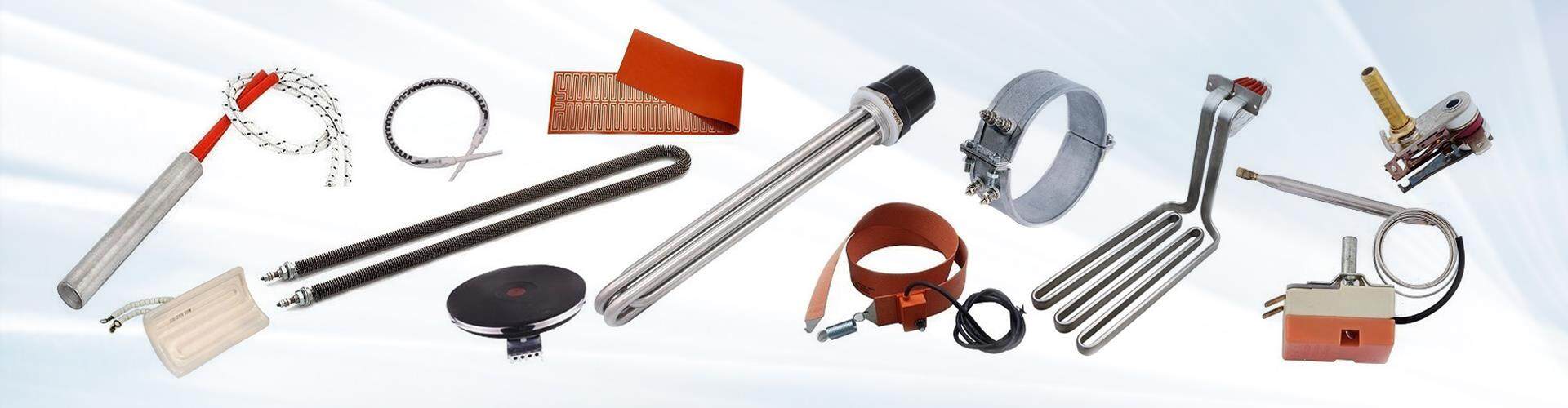
1. Nickel-Chromium (NiCr) Alloy Wire
Purpose: This alloy is the core heating element in coil heaters.
Why it's used: Nickel-Chromium (NiCr) wire offers high electrical resistance, allowing it to convert electrical energy into heat efficiently. It also has excellent corrosion resistance and can withstand high operating temperatures without breaking down.
Temperature Range: NiCr can typically handle temperatures up to 1200°C (2192°F), making it suitable for industrial applications.
2. Stainless Steel
Purpose: The outer sheath of the coil heater is often made from stainless steel.
Why it's used: Stainless steel protects the heating wire from environmental factors like oxidation, corrosion, and mechanical stress. It also provides durability and ensures the heater's long lifespan. The specific type of stainless steel chosen can depend on the temperature and chemical exposure in the application.
Common Grades: 304, 316, and 321 stainless steel are frequently used due to their excellent heat and corrosion resistance.
3. Magnesium Oxide (MgO) Powder
Purpose: MgO acts as an electrical insulator and thermal conductor in coil heaters.
Why it's used: This material fills the space between the heating element wire and the outer stainless steel sheath, ensuring proper heat transfer while preventing electrical conduction. Magnesium oxide has high thermal conductivity, which helps in efficient heat dissipation, and its insulating properties prevent short circuits.

4. Ceramic Materials
Purpose: Ceramic components are used in coil heaters, particularly in the construction of high-temperature heaters and in certain insulation applications.
Why it's used: Ceramics provide excellent thermal stability and electrical insulation at high temperatures. They are often used in end seals and in components that need to handle extreme heat without deforming or conducting electricity.
5. Lead Wires (Nickel or Copper)
Purpose: These wires are connected to the coil heater to deliver electrical power.
Why they're used: Nickel and copper have excellent electrical conductivity, ensuring that the coil heater gets an uninterrupted power supply. Nickel-plated copper leads can also handle elevated temperatures without degrading.
6. Silicone Rubber or Teflon Coating
Purpose: In some coil heaters, the lead wires are coated with silicone rubber or Teflon to provide insulation and protect against moisture and chemicals.
Why it's used: These coatings prevent electrical short circuits and provide protection in environments where chemicals, moisture, or high temperatures could cause damage to the wires.
By carefully selecting these materials, coil heaters can be engineered to provide precise heating, durability, and reliability, even in the harshest industrial conditions.