What Makes PTFE Special?
PTFE is a high-performance thermoplastic polymer known for its remarkable properties, which include:
Exceptional Thermal Stability: PTFE can withstand extreme temperatures, often from -200°C to +260°C, making it perfect for high-temperature applications.
Low Friction Coefficient: Its non-stick and slippery nature reduce wear and tear, ensuring longevity for heating elements.
Chemical Resistance: PTFE is highly resistant to almost all chemicals, including acids, bases, and solvents. This resistance is critical for applications in corrosive environments.
Electrical Insulation: PTFE offers excellent electrical insulating properties, making it ideal for heating elements requiring electrical safety.
Non-reactive: It does not interact with most substances, which is key in preventing contamination or degradation of materials.
These qualities make PTFE an optimal choice for use in heating solutions that demand high performance and reliability.
Applications of PTFE in Heating Elements
PTFE Coated Heating Wires
PTFE is commonly used to insulate heating wires in high-temperature environments. Whether it's for industrial ovens, furnace heating elements, or even smaller devices like soldering irons, PTFE coatings protect the wires from heat and prevent electrical short-circuits. The combination of electrical insulation and high thermal resistance extends the lifespan of these wires.
PTFE-Encased Heating Cables
In certain applications, heating cables need to operate in highly demanding conditions, such as outdoor environments, laboratories, or chemical plants. PTFE-encased heating cables offer protection from harsh weather, chemical exposure, and mechanical wear while maintaining effective heat transfer.
PTFE for Heating Pads
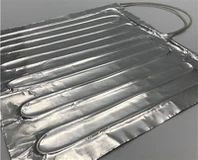
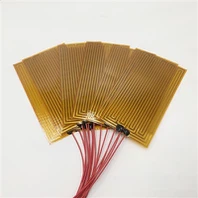
PTFE is also used in heating pads, where it acts as a protective layer that ensures uniform heat distribution and durability. The material's ability to resist degradation at high temperatures is particularly valuable in continuous heating applications such as in industrial equipment or medical devices.
PTFE in High-Temperature Gaskets
PTFE gaskets are often used in high-temperature applications, including in heating systems. These gaskets seal heating units and pipes, preventing leaks while withstanding temperature fluctuations. In the food industry, PTFE gaskets help maintain hygiene by preventing contaminants from entering food-processing machines.

Benefits of PTFE in Heating Solutions
Longer Lifespan
Heating elements with PTFE coatings or enclosures last significantly longer due to the material's resistance to thermal breakdown, chemical exposure, and mechanical wear.
Improved Efficiency
PTFE's non-stick and low friction properties reduce energy losses and help maintain consistent temperatures, improving the overall efficiency of heating systems.
Enhanced Safety
PTFE's electrical insulation ensures safer operation of heating systems by preventing electrical shorts and minimizing the risk of overheating.
Maintenance-Free Performance
PTFE's resistance to corrosion and wear means that heating systems coated with or encased in PTFE require less maintenance, reducing downtime and operational costs.
Challenges and Considerations
While PTFE has many advantages, it's not without its limitations. One notable challenge is its cost, as PTFE can be more expensive than other materials. Additionally, while PTFE has a high melting point, it can degrade when exposed to temperatures above 350°C. Therefore, careful consideration of the specific application is necessary to determine if PTFE is the right choice.
Conclusion
PTFE is undeniably one of the most important materials in the heating industry, providing unmatched durability, safety, and efficiency in various heating applications. Whether you're designing industrial heaters, consumer appliances, or high-performance systems, PTFE offers a combination of properties that can enhance the longevity and performance of your heating solutions. With its diverse range of applications, PTFE is a true unsung hero in the world of modern heating technology.