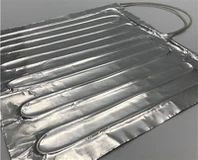
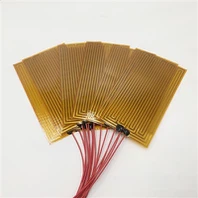
The manufacturing landscape for silicone rubber heaters is undergoing a revolutionary transformation. While traditional production methods have served us well, the future belongs to intelligent, AI-optimized production lines that deliver unprecedented levels of efficiency and quality while virtually eliminating waste. At JAYE, we are pioneering this transformation through our smart manufacturing initiatives.
The Current State: Challenges in Traditional Manufacturing
Traditional silicone rubber heater production faces several inherent challenges:
Material waste from manual cutting and trimming processes
Energy-intensive curing and vulcanization cycles
Quality inconsistencies in manual layup and assembly
Limited data collection for process optimization
High scrap rates from delayed defect detection
The AI-Optimized Production Line: Key Components
1. Intelligent Material Management
Predictive Material Planning: AI algorithms analyze order patterns to optimize raw material procurement and reduce inventory waste
Automated Pattern Nesting: Advanced software calculates optimal cutting patterns to maximize material utilization
Real-time Material Tracking: RFID and vision systems monitor material usage throughout the production process
2. Smart Manufacturing Processes
Adaptive Curing Systems: AI-controlled ovens that adjust temperature profiles based on real-time sensor data
Automated Application: Robotic systems for precise adhesive and material placement
Intelligent Process Control: Self-adjusting parameters based on environmental conditions and material characteristics
3. Quality Assurance Revolution
Machine Vision Inspection: High-resolution cameras with AI algorithms detect microscopic defects in real-time
Predictive Quality Analytics: Machine learning models identify potential quality issues before they occur
Automated Testing: Intelligent systems perform comprehensive electrical and thermal testing
Data-Driven Optimization Strategies
Process Efficiency Improvements
Energy Optimization: AI systems analyze power consumption patterns to identify waste and optimize energy usage
Cycle Time Reduction: Predictive algorithms streamline production sequences
Predictive Maintenance: AI models forecast equipment maintenance needs, preventing unexpected downtime
Quality Enhancement
Root Cause Analysis: Automated identification of quality issue sources
Continuous Process Improvement: Real-time adjustment of production parameters based on quality metrics
Statistical Process Control: Advanced monitoring of key performance indicators
Measurable Benefits of AI-Optimized Production
Efficiency Gains
30-40% reduction in material waste through optimized cutting and nesting
25-35% decrease in energy consumption through intelligent process control
40-50% faster production cycles via streamlined workflows
60-70% reduction in manual inspection time
Quality Improvements
99.5% first-pass yield rate through real-time quality control
80% reduction in customer returns due to enhanced detection capabilities
Consistent product quality across all production batches
Environmental Impact
Significant reduction in material waste sent to landfills
Lower carbon footprint through optimized energy usage
Reduced chemical waste through precise material application
Implementation Roadmap
Phase 1: Foundation Building (Current)
Automated data collection systems
Basic process automation
Initial machine learning models for quality prediction
Phase 2: Integration (Near Future)
Full production line connectivity
Advanced predictive analytics
Integrated quality management systems
Phase 3: Optimization (Future Vision)
Self-adjusting production parameters
Fully autonomous quality control
Continuous learning and improvement cycles
Case Study: JAYE's Smart Manufacturing Journey
While we are in the early stages of implementation, our initial results show promising trends:
15% reduction in material waste through automated nesting algorithms
20% improvement in energy efficiency in our curing processes
30% faster detection of production anomalies
Significant reduction in manual quality inspection requirements
The Future of Silicone Rubber Heater Manufacturing
The evolution toward fully AI-optimized production promises even greater advancements:
Generative Design: AI-created heater designs optimized for specific applications
Digital Twins: Virtual replicas of production lines for simulation and optimization
Closed-Loop Systems: Self-optimizing production lines that learn from every manufactured unit
Conclusion
The integration of AI into silicone rubber heater production represents more than just technological advancement-it's a fundamental shift toward sustainable, efficient manufacturing. By embracing these intelligent systems, manufacturers can achieve remarkable improvements in efficiency, quality, and environmental performance.
At JAYE, we are committed to leading this transformation, developing production capabilities that not only meet today's demands but anticipate tomorrow's challenges. Our journey toward fully optimized manufacturing reflects our dedication to delivering superior products while minimizing our environmental impact.
Interested in learning how our evolving manufacturing capabilities can benefit your specific application? Contact JAYE to discuss how our efficiency-optimized production approach can enhance your thermal management solutions while supporting your sustainability goals.