- Patient Warming Systems
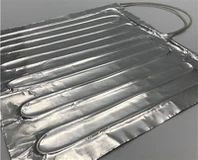
Thick film heaters can be integrated into blankets, pads, or mattresses to maintain patient body temperature during surgeries or recovery.
Ensures uniform heating without hot spots, enhancing patient comfort and safety.
- Fluid Warming Systems
Used in devices that warm IV fluids, blood, or dialysis solutions before administration.
Heaters can be applied directly to heating plates or surfaces to achieve rapid and even heating.
- Diagnostic Equipment
Incorporated in devices like blood analyzers, centrifuges, and sample incubators to maintain consistent operating temperatures.
Enhances the accuracy of diagnostic results by stabilizing thermal conditions.
- Sterilization Devices
Provides efficient heating for sterilization systems, ensuring that medical tools are sanitized effectively.
- Medical Imaging Equipment
Used in MRI, CT scanners, and ultrasound machines to regulate the temperature of critical electronic components.

Integration and Usage Guidelines
- Surface Mounting
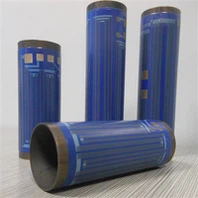
Thick film heaters can be bonded to flat or curved surfaces such as stainless steel or ceramic substrates.
Use thermal adhesives or clamps to ensure proper heat transfer and stability.
- Power Supply
Connect the heater to a power source with appropriate voltage and wattage as specified by the manufacturer.
Use a precise power control system to regulate the temperature.
- Temperature Control
Pair with thermostats or temperature sensors for real-time monitoring and to prevent overheating.
Ensure the control system is compatible with the medical device's operational requirements.
- Safety Features
Implement insulation layers or safety cutoffs to protect patients and operators from accidental burns or electrical faults.
Choose materials and designs that meet medical standards for hygiene and biocompatibility.
- Customization
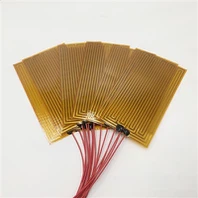
Design the heater layout to fit the specific shape and size of the medical device.
Customize watt density for even heat distribution across the required surface.
- Maintenance and Longevity
Thick film heaters are durable and require minimal maintenance.
Regularly inspect connections and surfaces for wear and ensure proper function over time.