1. Types of Heating Elements for Specialty Ovens
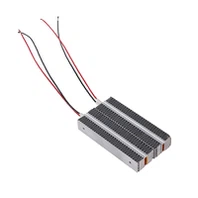
Ceramic Heating Elements: Ceramic elements are ideal for high-temperature applications and offer excellent durability and uniform heat distribution, making them suitable for processes such as curing, heat treatment, or material testing.
Mica Heating Elements: Mica elements are commonly used in high-heat environments due to their resistance to high temperatures and their ability to maintain a consistent heat profile, often seen in applications like aerospace and medical device manufacturing.
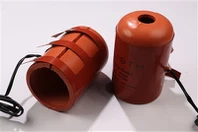
Coil Heating Elements: These elements are flexible and can be customized for various shapes, making them suitable for specialty ovens with non-standard heating requirements or confined spaces.
Tubular Heating Elements: Tubular heating elements are versatile and commonly used in applications where space constraints and higher watt densities are required. They are used for more uniform and consistent heating in specialty ovens, particularly in research or industrial applications.
Quartz Heating Elements: For very high heating demands and precise temperature control, quartz elements are often used in specialty ovens where rapid heat-up and high efficiency are necessary.
2. Applications of Specialty Ovens
Specialty ovens are used in a wide range of industries, each with unique heating requirements:
Aerospace: Ovens for curing composite materials, heat treating metal components, or drying coatings.
Automotive: Ovens for curing coatings, painting, drying adhesives, or thermoset plastic molding.
Electronics: Ovens for soldering, curing adhesives, or testing temperature-sensitive components like semiconductors and PCBs.
Medical Device Manufacturing: Ovens for sterilization, curing coatings, or drying medical materials.
Research and Development: Ovens used for material testing, thermal analysis, or experimental processes that require controlled temperature environments.
3. Choosing the Right Heating Element for Specialty Ovens
Temperature Range: Specialty ovens may require heating elements that can reach very high temperatures (up to 1000°C or higher), depending on the application. Choose heating elements with materials that can handle the specific temperature range.
Precision Control: Many specialty ovens require precise temperature control. Select heating elements that are compatible with temperature controllers, thermocouples, and other control systems that provide accurate and consistent heating.
Material Compatibility: Consider the environment in which the heating element will operate. For example, aerospace ovens often need heating elements that can withstand the harsh conditions of curing composites, while electronics ovens need elements that provide low, steady heat without overheating delicate components.
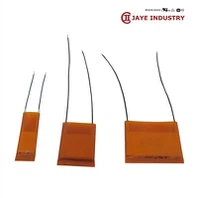
Size and Shape: Specialty ovens often have unique configurations, so it's essential to choose heating elements that fit the oven's design. Custom or flexible heating elements may be required for ovens with non-standard shapes or smaller chambers.
Power Density: Specialty ovens often require high watt densities to generate the necessary heat in a relatively compact space. Ensure that the heating element can provide enough power for the required heating cycle.
4. Installing Oven Heating Elements in Specialty Ovens
Proper Positioning: Place heating elements strategically to ensure uniform heat distribution. In specialty ovens, it's important that the heating elements are evenly distributed to avoid hot spots and ensure consistent temperature profiles throughout the oven.
Electrical Connections: Make sure that the heating element is correctly wired to the power source. For high-power elements, use appropriate wiring and safety components to prevent overheating, short circuits, or electrical failures.
Integration with Controls: Specialty ovens often use digital temperature controllers, programmable logic controllers (PLCs), or feedback systems for precise heating control. Integrate the heating element with these systems to ensure that the oven maintains consistent and accurate temperatures throughout the heating process.
Insulation: Use high-quality insulation materials around the heating element and the oven chamber to improve energy efficiency and reduce heat loss. This is particularly important in specialty ovens that require high temperatures for extended periods.

5. Operating the Heating Element in Specialty Ovens
Preheating: Allow the oven and heating elements to fully preheat to the required temperature before introducing materials or starting processes. This is particularly important for curing or heat treating materials that require precise temperature profiles.
Temperature Ramp-Up and Control: Many specialty oven processes require controlled ramp-up times to avoid thermal shock or to ensure that materials are heated uniformly. Use temperature controllers or automated systems to regulate the heating element's output during these phases.
Constant Monitoring: Continuous monitoring of both the temperature and the condition of the heating elements is crucial. Use sensors, thermocouples, or digital controllers to ensure that the heating elements are functioning properly and the oven is operating at the correct temperature.
Avoid Overloading: Ensure that the specialty oven is not overloaded, as this can reduce airflow and lead to uneven heating. Overloading the oven can also increase the likelihood of overheating or strain on the heating elements.
6. Maintenance and Care for Heating Elements in Specialty Ovens
Regular Inspections: Perform regular inspections of the heating elements for any signs of wear, corrosion, or damage. Cracks, discoloration, or irregular heating patterns may indicate that the element needs to be replaced.
Cleaning: Keep the heating elements clean from dirt, dust, and contaminants. Over time, contaminants can build up on the surface of the heating elements, reducing efficiency and causing uneven heating. Use gentle cleaning methods that won't damage the elements or reduce their lifespan.
Testing and Calibration: Regularly test the temperature controls, sensors, and heating elements to ensure accurate temperature readings. If the oven's temperature calibration drifts, recalibrate the system to maintain consistent performance.
Safety Checks: Check electrical connections and wiring regularly to ensure they are secure and insulated. Loose or frayed wires can lead to electrical hazards or failure of the heating elements.
Replace Damaged Elements: If the heating element shows any signs of failure (e.g., no heat output, temperature fluctuations, or physical damage), replace it immediately to avoid compromising the quality of the processes being conducted in the oven.
7. Troubleshooting Common Issues with Specialty Oven Heating Elements
Uneven Heating: If the oven isn't providing uniform heat, check for issues with the heating element placement, airflow, or malfunctioning components like thermostats or temperature sensors.
Element Failure: If the heating element is not working at all, verify that the electrical connections are intact. Test the element with a multimeter to check for continuity and replace if necessary.
Overheating: If the oven is overheating, check the temperature control system, including the thermostat or sensors. Ensure that the heating element is not producing excess heat or that the controller isn't malfunctioning.
Slow Heat-Up Time: If the oven takes longer than expected to reach temperature, check for insufficient power supply, faulty wiring, or inadequate insulation, which can prevent the heating element from working efficiently.
8. Energy Efficiency and Cost Management
Optimize Insulation: Proper insulation helps maintain heat inside the specialty oven, reducing the amount of energy required to reach and maintain high temperatures.
Use Energy-Efficient Heating Elements: Select high-efficiency heating elements that reduce energy consumption. Ceramic or advanced alloy elements often provide higher performance with lower energy use.
Automated Control Systems: Implement automated systems that adjust heating cycles based on real-time data, preventing the heating element from running unnecessarily and saving energy.

Conclusion
Specialty ovens play a crucial role in industries such as aerospace, automotive, electronics, and research. Using oven heating elements in these applications requires a careful balance of temperature control, power density, and material compatibility. By choosing the right heating elements, properly installing them, maintaining the system, and monitoring performance, specialty ovens can deliver high precision and consistent results for a wide range of specialized processes.