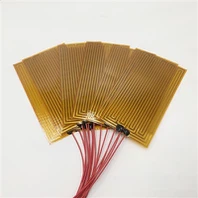
Silicone rubber heaters can contribute to energy savings and reduced environmental impact in industrial processes in several ways:
1. Efficient Heat Transfer:
Silicone rubber heaters are known for their excellent heat transfer properties. They can efficiently transfer heat to the target surface, ensuring that energy is used effectively and reducing the amount of wasted heat.
2. Quick Heating and Cooling:
Silicone rubber heaters have fast response times, allowing them to heat up and cool down quickly. This means that they can be turned on and off as needed, reducing the overall energy consumption and contributing to energy savings.
3. Customizable and Precise Heating:
Silicone rubber heaters can be designed to fit specific shapes and sizes, providing precise heating exactly where it is needed. This customization helps avoid unnecessary heating of surrounding areas, optimizing energy use.
4. Temperature Control Systems:
Integration with temperature control systems allows silicone rubber heaters to maintain a consistent temperature, preventing overheating and excessive energy consumption. This control capability contributes to energy efficiency and process optimization.
5. Reduced Heat Loss:
The flexibility and conformability of silicone rubber heaters enable close contact with the heated surface, minimizing heat loss to the surroundings. This helps in maintaining a higher level of efficiency and reducing the overall energy requirements.
6. Long Lifespan and Durability:
Silicone rubber heaters are durable and can withstand harsh industrial environments. Their long lifespan means less frequent replacement, reducing the environmental impact associated with manufacturing and disposing of heating elements.
7. Energy-Efficient Materials:
Many silicone rubber heaters are made using energy-efficient materials. This not only contributes to energy savings during the manufacturing process but also ensures that the heaters themselves are environmentally friendly.
8. Compatibility with Renewable Energy Sources:
Silicone rubber heaters can be easily integrated with renewable energy sources, such as solar or wind power. This compatibility allows industrial processes to utilize cleaner energy, reducing the overall environmental impact.
9. Low Maintenance Requirements:
The reliability and low maintenance requirements of silicone rubber heaters contribute to energy savings by minimizing the need for frequent repairs or replacements, which can be resource-intensive.
10. Reduced Carbon Emissions:
The efficient use of energy and the ability to integrate with renewable sources contribute to lower carbon emissions, helping industries meet environmental sustainability goals.
In summary, silicone rubber heaters offer a range of features that can positively impact energy efficiency and reduce the environmental footprint of industrial processes. Their customization, efficiency, and compatibility with advanced control systems make them a valuable choice for applications where energy savings and environmental considerations are priorities.