1. Purpose and Placement
Identify Components to Heat: Focus on critical areas prone to freezing, such as pipes, valves, tanks, or electronics.
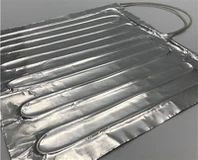
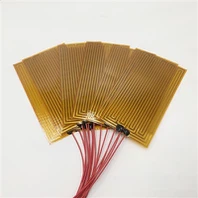
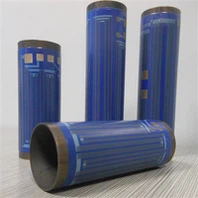
Placement: Silicone heaters are flexible and can be wrapped around cylindrical surfaces (pipes, tanks) or applied to flat surfaces (valves, electronics). Custom-shaped heaters may be required for irregular surfaces.
2. Installation
Surface Preparation: Ensure the surfaces are clean and dry for proper adhesion.
Attachment: Use built-in adhesive backing or secure the heater with clips, bands, or other mechanical means. Silicone heaters are often equipped with a pressure-sensitive adhesive that ensures firm contact.
Thermal Insulation: To increase efficiency and reduce heat loss, wrap the heater with thermal insulation, such as fiberglass or silicone insulation blankets.

3. Temperature Control
Thermostats: Install a thermostat or temperature sensor to monitor and regulate the heater's operation, ensuring optimal performance and preventing overheating.
Temperature Settings: Set the thermostat to maintain a temperature just above the freezing point (usually 1-2°C/34-36°F) to ensure effective antifreeze without excessive power usage.
4. Power Supply
Voltage Selection: Choose the appropriate voltage (e.g., 12V, 24V, 120V, or 230V) based on the available power source.
Power Management: Some systems use programmable controllers to turn the heaters on/off based on weather conditions or system demand, improving energy efficiency.

5. Maintenance
Routine Inspection: Periodically check for wear, damage, or adhesion issues, and ensure that the temperature control system is working correctly.
Replace Worn Components: Silicone heaters are durable but should be replaced if any signs of malfunction appear.
6. Safety Considerations
Overheating Protection: Use thermal cutoffs or fuses to prevent overheating.
Waterproofing: Ensure that the heater and electrical connections are properly sealed to prevent water ingress, especially in marine environments.

By following these steps, silicone heaters can be effectively integrated into a navigation antifreeze system, preventing freezing in harsh environments.