1. Greenhouse Heating
Radiant heating elements are ideal for maintaining optimal temperatures in greenhouses, especially during colder months or in regions with fluctuating temperatures.
Placement of Heating Elements:
Floor Heating: Install radiant heating elements under the greenhouse floor for uniform heat distribution. This ensures that heat rises directly to the plants, promoting better growth.
Ceiling or Wall Mounting: Install heating panels on the ceiling or walls to warm the air in the greenhouse. This method works well for maintaining ambient temperatures.
Temperature Control:
Use thermostats to monitor and regulate the temperature to ensure that it stays within the ideal range for plant growth (typically between 18°C to 24°C for most crops).
Radiant heating elements can be paired with humidity sensors to maintain optimal humidity levels, which is crucial for plant health.
2. Seedling and Germination Areas
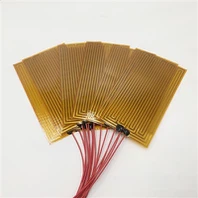
Heating Mats and Pads: Radiant heating elements can be used under seed trays or propagation beds to provide consistent, gentle heat that encourages faster germination and strong seedling growth.
Use heated mats or cables to warm the soil, providing a stable environment for young plants.
Ensure the mats are evenly distributed to avoid hot spots that could damage seedlings.
Temperature Regulation: Monitor the temperature of the soil to prevent overheating, which could harm the young plants. Adjust the radiant heater settings as needed to maintain ideal germination conditions.
3. Animal Enclosures (Poultry, Livestock, etc.)
Radiant heating elements are useful for keeping animals in agricultural settings warm, especially during cold weather.
Poultry Houses:
Use ceiling-mounted or wall-mounted radiant heaters to create a comfortable environment for chickens or other poultry. The heaters should be positioned to provide direct warmth to the animals without over-heating the air.
Use dimmable heating systems to adjust the intensity of the heat depending on the temperature needs of the poultry.
Livestock Barns and Stables:
Radiant heaters can be used to warm specific areas where livestock gather, ensuring their comfort and health during the colder months.
The heat should be distributed evenly across the barn, with the focus on areas where animals spend the most time, like feeding or resting zones.
4. Soil and Root Zone Heating
In certain agricultural applications, particularly for high-value crops like orchids or tropical plants, radiant heaters can be used for soil or root zone heating to encourage root development.
Under Soil Heating:
Install radiant heating cables or mats under plant containers or directly beneath the soil to maintain an optimal root-zone temperature.
This method is highly effective in greenhouse farming and hydroponics, where control over the environment is critical.
Hydroponic and Aquaponic Systems:
Use radiant heaters to warm the nutrient solution or root zones in hydroponic or aquaponic setups, promoting faster plant growth and better nutrient absorption.

5. Crop Drying and Curing
Radiant heating elements can be used for drying crops or curing harvested agricultural products, such as herbs, flowers, and fruits.
Drying Racks and Shelves:
Set up radiant heating panels near drying racks to evenly dry agricultural products without the risk of overheating or burning.
Position the heating elements at an appropriate height to ensure that the heat is focused on the items being dried.
Curing Greenhouse: For crops like tobacco or various flowers, radiant heaters can help maintain the correct temperature during the curing process. This improves quality and reduces drying time.
6. Aquaculture Heating
In aquaculture, radiant heating elements can help maintain the ideal water temperature for fish and other aquatic species.
Tank Heating: Radiant heaters can be installed to warm water in fish tanks or ponds, ensuring a stable temperature environment for aquatic species.
Pond-side Heating: For outdoor aquaculture, radiant heaters can be used near ponds to maintain the water temperature in cold climates.
Efficient Heat Transfer: Radiant heaters are effective in maintaining constant temperatures, reducing the stress on aquatic species caused by fluctuating water temperatures.
7. Cold Storage and Post-Harvest Treatment
Radiant heating elements can be used in cold storage rooms or post-harvest treatment areas to keep crops like fruits and vegetables in optimal conditions during storage or processing.
Temperature Regulation: Maintain a steady temperature in storage areas by using radiant heaters. They provide consistent heat to prevent crops from freezing during transit or storage.
Post-Harvest Ripening: In some cases, radiant heaters can be used in controlled ripening rooms for fruits like bananas or tomatoes, ensuring that the produce ripens at the desired rate.

8. Orchard Heating
For fruit orchards, radiant heating elements can prevent frost damage during early spring or late fall by warming the air around the crops.
Frost Protection: Install radiant heaters between rows of fruit trees or crops to maintain a higher ambient temperature during cold nights, preventing frost damage.
Controlled Environment: In cases of high-value crops like grapes or berries, radiant heaters help in maintaining the temperature to ensure healthy growth and prevent fruit loss due to unexpected frosts.
By following these steps, Jaye Radiant Heating Elements can provide efficient, controlled heating solutions for a wide variety of agricultural applications, from crop production to animal care.