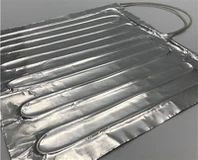
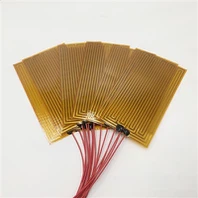
1. Identify the Application Requirements
Understand the specific heating needs within the food and beverage sector, such as:
Warming food products: Maintaining food temperatures during preparation or display.
Beverage warming: Heating liquids like coffee, tea, or milk.
Temperature control in food packaging: Keeping the contents of sealed packages at a stable, safe temperature.
Heating of food-processing equipment: Ensuring efficient and uniform heating of machines used in food production.
Determine the temperature range required (e.g., from low heating for keeping food warm to higher temperatures for industrial processes).
2. Select the Appropriate Flexible Ceramic Heater Pad
Choose a heater pad that is:
FDA compliant or food-safe: Ensure the heater is designed for food-related applications and complies with relevant food safety standards.
Waterproof and corrosion-resistant: Since food production often involves exposure to moisture, a heater pad with these properties is essential.
Flexible: The pad should conform to the shapes of containers, food trays, or equipment, ensuring even heat distribution.
Voltage compatible: It should match the voltage requirements of the food processing equipment (typically 110V or 220V in commercial kitchens).
3. Prepare the Installation Area
Clean and prepare the surface where the heater pad will be installed. Ensure it is free from food debris, oils, and other contaminants to ensure optimal adhesion and heat transfer.
In some applications, such as warming plates or beverage containers, make sure the surface is smooth to avoid air pockets that may reduce heating efficiency.

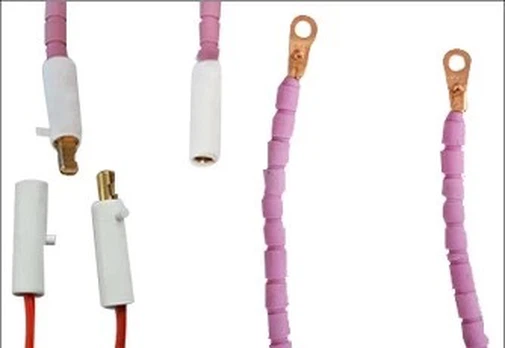
4. Install the Flexible Ceramic Heater Pad
Position the Heater Pad: Place the flexible ceramic heater pad on the designated area (e.g., under a food tray, on a heating plate, or around a beverage container). Make sure the pad is in full contact with the surface to ensure uniform heat distribution.
Attach Securely: Use food-grade adhesive, high-temperature tape, or thermal glue to attach the pad securely. If the heater is being used on a movable surface, ensure it is firmly affixed to prevent any shifting or damage during operation.
Conform to Shape: The flexible nature of the ceramic heater pad allows it to be wrapped or contoured to fit different shapes, such as around a food package, a beverage dispenser, or processing equipment.
5. Connect to the Power Source
Wiring the Heater Pad: Connect the heater pad's electrical leads to the power supply, ensuring proper insulation and secure connections.
Ensure Voltage Compatibility: Make sure the power supply voltage matches the heater pad's voltage requirement (e.g., 110V or 220V).
Add a Power Switch or Controller: For applications requiring precise temperature regulation (e.g., maintaining beverage temperature), integrate the heater pad with a thermostat or temperature controller to maintain the desired temperature.
6. Integrate Temperature Control and Monitoring
Install Temperature Sensors: Attach temperature sensors, such as thermocouples or thermistors, to monitor the heating pad's performance and ensure it maintains the correct temperature for the food or beverage.
Control System: Link the heater to a controller that adjusts the power input to maintain the required temperature range. This is particularly useful for keeping beverages at a consistent serving temperature or preventing overheating in food packaging.
7. Conduct Initial Testing
Test the Heating Pad: Before starting full-scale production, run initial tests to ensure the heater pad heats evenly and reaches the desired temperature.
Monitor Temperature Consistency: Ensure the temperature is consistent across the heated area, without any cold spots or overheating zones.
Safety Checks: Verify that the temperature control system functions properly, with automatic shut-off or alarms in case of overheating.

8. Maintain and Inspect the Heater Pad
Regular Inspections: Periodically inspect the heater pad for signs of wear, such as cracks, discoloration, or loss of flexibility.
Cleaning: Clean the heater pad as required to maintain optimal performance. Be sure to follow cleaning instructions to prevent damage to the pad or surface.
Check Connections: Inspect the electrical connections for any signs of corrosion, wear, or loose connections.
Test the Temperature Control: Regularly check that the temperature control system is still functioning properly, ensuring safe and consistent heating.
By following these steps, flexible ceramic heater pads can be integrated into a variety of food and beverage applications, ensuring consistent quality, safe heating, and improved operational efficiency.