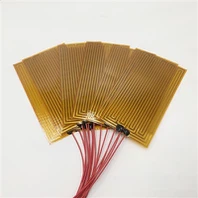
1. Select the Right Silicone Heater
Size and Shape: Choose a silicone heater that matches the size and shape of the area you want to target on the foot. For foot therapy, a small, flexible heater that can wrap around or be placed under the foot is ideal.
Temperature Control: Ensure the heater has adjustable temperature settings to provide the appropriate level of heat for therapy.
2. Prepare the Heater
Inspect the Heater: Check the silicone heater for any visible damage or wear. Make sure the heater is clean and dry before use.
Set the Temperature: Plug in the heater and set it to a low or moderate temperature. It is crucial to start with a lower setting to avoid burns and gradually increase as needed.
Preheat the Heater: Allow the silicone heater to reach the desired temperature before applying it to the foot.
3. Prepare the Foot
Clean the Foot: Wash the foot with warm water and dry it thoroughly. This helps to ensure that the skin is clean and reduces the risk of any irritation.
Position the Foot: Place the foot in a comfortable position where it can remain still during the therapy session.

4. Apply the Silicone Heater
Direct Application: Place the heated silicone pad directly on the area of the foot that requires therapy. For example, place it on the sole for plantar fasciitis or around the toes for joint pain.
Wrap or Cover: If the heater is designed to wrap around the foot, gently wrap it and secure it in place using straps or Velcro. Ensure it is snug but not too tight to allow for proper blood circulation.
Safety Barrier (Optional): You can use a thin cloth or towel between the heater and the skin for additional comfort and to prevent direct contact if the skin is sensitive.
5. Monitor the Therapy Session
Time Management: Limit the initial use to 15-20 minutes. This duration is generally sufficient to provide therapeutic benefits without risking burns or overheating.
Adjust Temperature: If the heat feels too intense or too mild, adjust the temperature accordingly. Always err on the side of caution to prevent burns.

6. After the Therapy Session
Turn Off and Unplug: After the session, turn off the silicone heater and unplug it from the power source. Allow it to cool down before storing it away.
Clean the Heater: Wipe down the silicone heater with a damp cloth to keep it clean for future use.
Moisturize the Foot: After therapy, apply a moisturizer to the foot to keep the skin hydrated, especially if the heat therapy dried out the skin.
7. Safety Precautions
Do Not Sleep with the Heater On: Never leave the silicone heater on unattended or sleep with it, as this could cause burns or fire hazards.
Check for Overheating: Regularly check the silicone heater for any signs of overheating or malfunction.
Consult a Professional: If you have any medical conditions, such as diabetes or circulatory issues, consult a healthcare professional before using heat therapy on your feet.

By following these steps, you can effectively use a silicone heater for foot therapy to relieve pain, reduce tension, and improve circulation.