Introduction: Understanding Cast Aluminum Heating Technology
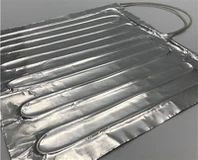
Cast aluminum electric heaters represent a versatile and efficient heating solution that has gained widespread adoption across multiple industries. These heating elements are manufactured through a precision casting process that encapsulates the heating wire or resistance element within high-purity aluminum alloy. This construction method creates a robust, thermally efficient unit that offers superior heat transfer characteristics compared to traditional heating methods.
The fundamental advantage of cast aluminum construction lies in its material properties. Aluminum possesses excellent thermal conductivity-approximately 200-250 W/m·K-which allows for rapid and uniform heat distribution across the heating surface. This characteristic is crucial for applications requiring precise temperature control and consistent heating performance. Additionally, aluminum's natural corrosion resistance, particularly when alloyed with other elements, provides durability in various operating environments, from industrial settings to household applications.
Unlike surface-mounted heating elements or cartridge heaters, cast aluminum heaters are designed as integrated units where the heating element is completely embedded within the aluminum matrix. This design eliminates air gaps, reduces hot spots, and enhances mechanical protection for the heating element, resulting in longer service life and improved reliability. The casting process also allows for custom shapes and configurations, making these heaters adaptable to specific application requirements.
Technical Specifications and Design Features
Understanding the technical parameters of cast aluminum heaters is essential for proper selection and application. These heaters typically consist of several key components:
Core Construction Elements:
- Heating Element: Typically nickel-chromium (NiCr) or iron-chromium-aluminum (FeCrAl) resistance wire, designed for high-temperature operation (up to 1200°C for some grades)
- Aluminum Casing: High-purity aluminum (typically 99.5% or higher) or aluminum alloys with silicon or magnesium additions for improved mechanical properties
- Insulation Layer: Magnesium oxide (MgO) or other ceramic insulation materials that provide electrical isolation while maintaining thermal conductivity
- Terminal Connections: High-temperature rated terminals, often with ceramic insulators, for secure electrical connections
- Performance Parameters:
- Power Density: Typically ranges from 1-10 W/cm², depending on application requirements
- Operating Temperature: Standard units operate up to 400-500°C; specialized versions can reach 600°C or higher
- Thermal Response Time: Rapid heating due to aluminum's low thermal mass and high conductivity-typically reaching operating temperature within minutes
- Surface Temperature Uniformity: ±5-10°C across the heating surface under steady-state conditions
Design Variations:
- Cartridge-Type Heaters: Cylindrical designs for insertion into drilled holes or heating blocks
- Plate Heaters: Flat surface heaters for direct contact heating
- Custom Shapes: Molded to specific geometries for specialized equipment
- Integrated Temperature Sensors: Some models include built-in thermocouples or RTDs for temperature monitoring
Industrial Applications: Process Heating Solutions
Industrial applications represent the largest market segment for cast aluminum heaters, where their reliability and efficiency are critical for continuous operation.
- Metal Processing and Foundry Applications:
In metalworking industries, cast aluminum heaters are extensively used for:
- Molten Metal Heating: Maintaining temperature in holding furnaces and crucibles for aluminum, zinc, and other non-ferrous metals
- Die Casting and Molding: Heating injection molding dies and casting molds to maintain optimal processing temperatures
- Heat Treatment Processes: Pre-heating components and maintaining temperature in aging ovens and heat treatment furnaces
- Extrusion Processes: Heating extrusion barrels and dies for plastic and metal extrusion
The uniform heating characteristics prevent thermal gradients that could cause product defects, while the corrosion resistance withstands exposure to metal vapors and processing environments.
- Plastic Processing Equipment:
Injection molding machines, extruders, and blow molding equipment utilize cast aluminum heaters for:
- Barrel Heating: Multiple heaters arranged along the barrel to create precise temperature zones
- Nozzle Heating: Maintaining melt temperature at the injection point
- Hot Runner Systems: Heating manifold blocks and nozzles in multi-cavity molds
The rapid thermal response allows for quick startup and temperature adjustments during production changes, reducing downtime and material waste.
- Chemical and Process Industries:
- Reactor Heating Jackets: Maintaining process temperatures in chemical reactors
- Pipe Tracing: Preventing solidification of viscous materials in process piping
- Tank Heating: Maintaining temperature in storage tanks and mixing vessels
Commercial and Food Service Applications
The commercial sector benefits from cast aluminum heaters' rapid heating, energy efficiency, and compact design.
Food Service Equipment:
- Food Warming Cabinets: Maintaining serving temperatures in buffet lines and holding stations
- Hot Beverage Dispensers: Heating water for coffee, tea, and other hot drinks
- Baking and Cooking Equipment: Ovens, griddles, and warming drawers in commercial kitchens
- Steam Tables: Maintaining water temperature for food warming
- The uniform heating prevents hot spots that could scorch food, while the corrosion-resistant surface is easy to clean and maintain.
Hospitality Industry:
- Hotel Room Heaters: Compact heating units for guest rooms
- Swimming Pool Heating: Auxiliary heating for commercial pools
- HVAC Systems: Supplemental heating in air handling units
Household Appliance Integration
In residential applications, cast aluminum heaters provide reliable performance in various consumer products.
Kitchen Appliances:
- Electric Kettles: Rapid water boiling with energy efficiency
- Rice Cookers: Precise temperature control for consistent cooking results
- Induction Cooktops: Some models use cast aluminum heating plates
- Ovens and Toasters: Heating elements for baking and toasting
The fast heating response reduces waiting time, while the uniform heat distribution ensures even cooking.
Heating Appliances:
- Space Heaters: Portable and fixed heating units
- Water Heaters: Electric water heating elements
- Clothes Dryers: Heating elements for tumble dryers
Temperature Control and Environmental Systems
Cast aluminum heaters are integral components in temperature-controlled systems across various sectors.
- Laboratory and Scientific Equipment:
- Incubators: Maintaining precise temperatures for biological samples
- Environmental Chambers: Temperature control in testing equipment
- Analytical Instruments: Heating components in chromatography and spectroscopy equipment
- Agricultural and Horticultural Applications:
- Greenhouse Heating: Maintaining optimal growing temperatures
- Brooders: Heating for livestock and poultry
- Seed Germination Chambers: Controlled environment heating
- Building Management Systems:
- HVAC Zone Heating: Supplemental heating in commercial buildings
- Floor Heating Systems: Underfloor heating elements
- De-icing Systems: Preventing ice formation on roofs and gutters
Specialized Industry Applications
Beyond conventional uses, cast aluminum heaters serve specialized needs in advanced industries.
- Automotive Industry:
- Engine Pre-heaters: Reducing cold start wear and improving cold-weather starting
- Battery Heating: Maintaining optimal temperature for electric vehicle batteries
- Seat Heating: Comfort heating systems in vehicles
- Fluid Heating: Heating engine oil, transmission fluid, or diesel fuel
- Aerospace and Defense:
- Avionics Temperature Control: Maintaining equipment temperature in extreme environments
- Fuel System Heating: Preventing fuel freezing at high altitudes
- De-icing Systems: Wing and engine anti-icing
- Medical Equipment:
- Sterilization Equipment: Autoclaves and sterilizers
- Patient Warming Systems: Blankets and pads for surgical and recovery use
- Laboratory Equipment: Incubators and sample preparation devices
Selection Criteria: Matching Heater to Application
Choosing the right cast aluminum heater requires consideration of multiple factors:
- Power Requirements:
Calculate heat load based on material properties, temperature rise, and heat loss
Consider startup power versus maintenance power
Account for voltage and phase requirements
- Temperature Range:
Match heater's maximum operating temperature to application needs
Consider thermal cycling requirements and temperature gradients
- Physical Constraints:
Available space for heater installation
Mounting method and connection accessibility
Environmental conditions (moisture, chemicals, vibration)
- Control Requirements:
On/off control versus proportional control
Temperature sensing and feedback needs
Integration with existing control systems
- Material Compatibility:
Ensure heater material is compatible with heated medium
Consider corrosion resistance for specific environments
Installation and Maintenance Best Practices
Proper installation and maintenance ensure optimal performance and longevity.
Installation Guidelines:
- Ensure clean, flat mounting surfaces for maximum heat transfer
- Use appropriate thermal interface materials (thermal paste, pads) if required
- Follow torque specifications for mounting hardware to avoid damage
- Provide adequate electrical connections with proper wire sizing
- Ensure proper grounding and electrical safety
Maintenance Procedures:
- Regular inspection for physical damage or corrosion
- Check electrical insulation resistance periodically
- Clean heating surfaces to maintain heat transfer efficiency
- Verify temperature calibration if critical to process
- Troubleshooting Common Issues:
- Uneven Heating: Check for poor contact, damaged insulation, or incorrect power supply
- Premature Failure: Investigate overheating, voltage spikes, or mechanical stress
- Temperature Drift: Check control system, sensor calibration, and environmental factors
Performance Optimization and Efficiency Considerations
Maximizing the efficiency of cast aluminum heaters involves several strategies:
Thermal Management:
- Use insulation to reduce heat loss to surroundings
- Optimize heater placement for maximum heat transfer
- Consider heat recovery systems where applicable
Control Strategies:
- Implement PID control for precise temperature regulation
- Use power modulation (phase-angle control, PWM) instead of on/off cycling
- Incorporate temperature profiling for process optimization
Energy Efficiency Measures:
- Select heaters with appropriate power density for the application
- Use timers or occupancy sensors to reduce standby power
- Regular maintenance to maintain heat transfer efficiency
Life Cycle Cost Analysis:
- Consider initial cost versus operating cost and maintenance requirements
- Evaluate energy efficiency and replacement frequency
- Factor in downtime costs for maintenance and replacement
Conclusion: Making Informed Application Decisions
Cast aluminum electric heaters offer a versatile and efficient heating solution across diverse applications, from industrial processes to household appliances.
Their success in any given application depends on proper selection, installation, and maintenance practices.
When considering cast aluminum heaters for a specific application, focus on:
- Technical Compatibility: Ensure the heater's specifications match the process requirements
- Environmental Suitability: Verify that the heater can withstand the operating environment
- Economic Viability: Consider total cost of ownership, not just initial purchase price
- Reliability Requirements: Assess the criticality of the heating function to the overall system
By following a systematic approach to selection and implementation, users can leverage the benefits of cast aluminum heating technology-rapid heating, uniform temperature distribution, corrosion resistance, and long service life-to achieve reliable and efficient thermal management in their applications.
For complex or critical applications, consulting with heating specialists or manufacturers can provide valuable insights and ensure optimal performance.
Regular training for maintenance personnel and establishing preventive maintenance schedules further enhance system reliability and extend equipment life.

One-stop Cast Aluminum Electric Heaters Factory in China
Jaye Heater Technology specializes in industrial heating elements, offering OEM/ODM services for global clients. for growth and success in the beauty indsty.